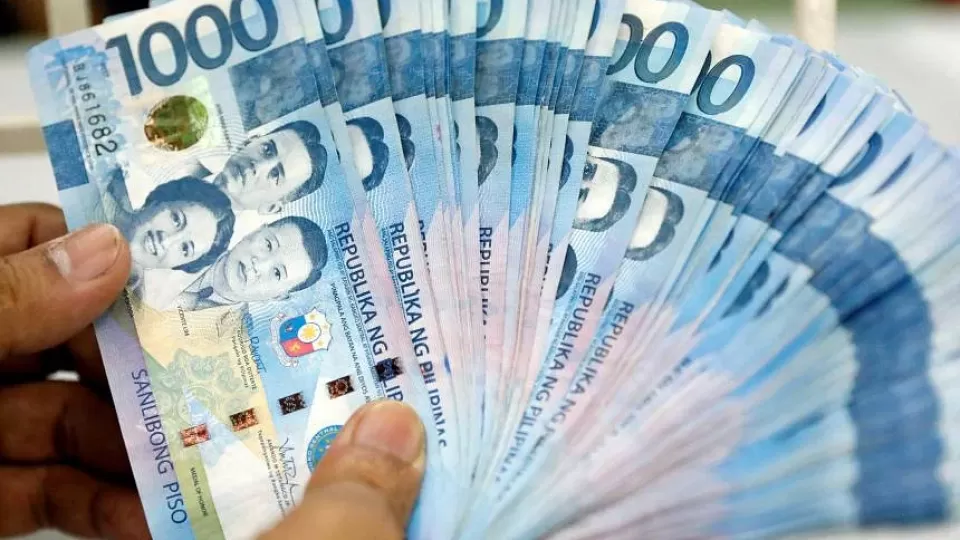

The Philippine peso continued its downward trajectory on Tuesday, closing at 59.22 against the US dollar and marking yet another all-time low. The latest close breaches the previous record of 59.17 posted on November 12, underscoring persistent volatility in the foreign exchange market as global and domestic pressures converge.
The currency’s renewed weakness ripples widely across the economy. Households dependent on remittances from overseas Filipino workers may see some relief, with each dollar sent home now converting to more pesos. But for many other sectors, the slide raises alarm bells. Importers face steeper costs for fuel, food, and industrial materials, squeezing margins and adding strain to supply chains. Companies and government agencies with foreign-denominated obligations also feel the weight, as every drop in the peso increases the local value of their debt.
In October alone, the peso’s depreciation contributed an estimated 34.3 billion pesos to the country’s external debt load, highlighting the broader fiscal risks that accompany a sustained currency slump.
As the peso charts new record lows, policymakers are once again under pressure to manage volatility and reassure markets amid growing concerns about inflation, debt servicing, and overall economic stability.