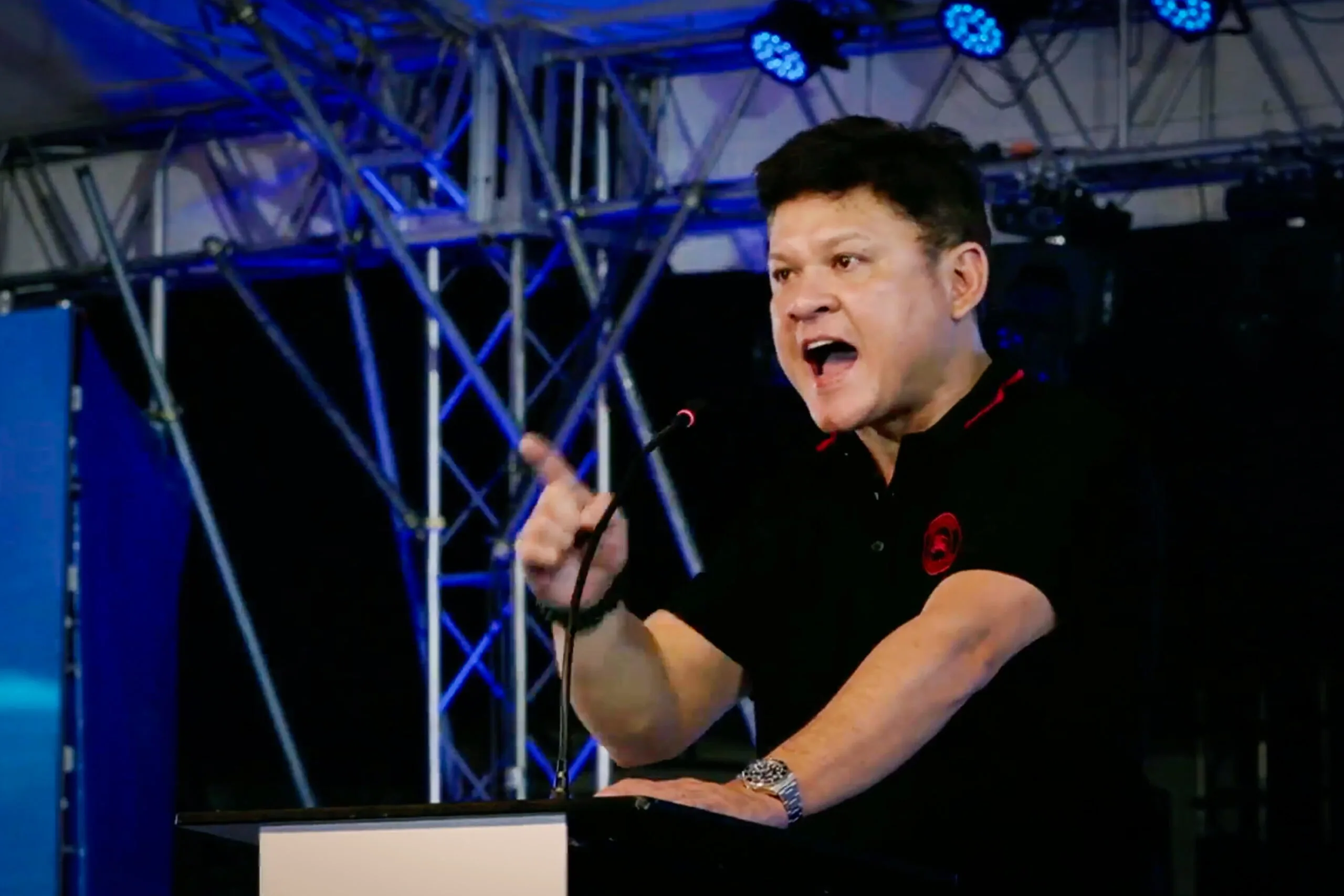

Davao City Rep. Paolo Duterte is once again steering clear of accountability, refusing to face the Independent Commission for Infrastructure (ICI) as it digs deeper into the sprawling multibillion-peso flood-control scam that has placed his district at the center of public suspicion.
In a letter released to the media, Duterte insisted he would not attend the hearing — not because he could disprove any of the red flags found in his district’s projects, but because he claims the ICI supposedly has “no jurisdiction” over him as a sitting lawmaker. Critics quickly labeled the move for what it appears to be: an escape hatch for a congressman cornered by mounting evidence.
Rather than defend the integrity of the flood-control projects under his watch, Duterte chose to attack the commission itself, casting it as part of a political plot. He accused the body — created precisely to investigate systemic corruption — of being a “propaganda tool” and suggested it was out to destroy the Duterte family name ahead of 2028. Observers note that the claim conveniently shifts attention away from over P4 billion worth of questionable contracts in his district.
Despite the colorful rhetoric, Duterte failed to explain why a legislator genuinely confident in his innocence would decline the chance to clear his name under oath. Instead, he asserted that separation of powers shields him from the probe — a stance many constitutional experts say is flimsy at best, given that the ICI is conducting a fact-finding effort, not issuing criminal sanctions.
His refusal comes as lawmakers, whistleblowers, and analysts increasingly highlight the anomalies in Davao City’s flood-control projects, many of which were implemented during his tenure and his father’s presidency. ACT Teachers Rep. Antonio Tinio earlier exposed layers of irregularities: overlapping contracts, double-funded projects, altered locations, massive underperformance, unexplained cost spikes, and more than 60 contracts worth billions that lacked basic details like length or exact site. Ten more projects had no budget authorization at all.
Instead of addressing any of these findings, Duterte resorted to theatrics — urging critics to visit Davao and “ask residents” if they experience floods, as if anecdotal claims could erase official documentation and procurement records.
The congressman then went further, demanding that ICI investigate President Marcos Jr. first, citing the allegations made by former Rep. Elizaldy Co. The move was widely seen as an attempt to redirect the spotlight, dragging others into the fire in hopes of diluting his own vulnerability.
For many, Duterte’s behavior follows a familiar pattern: deny, deflect, and attack, rather than answer the substantive issues. His refusal to face investigators only deepens suspicion that the flood-control fiasco in his district is not just bureaucratic incompetence — but a carefully engineered scheme that thrived under political protection.
As the ICI continues its probe — which has already called in several lawmakers, including former Speaker Martin Romualdez — the question grows louder: if Paolo Duterte is truly innocent, why is he the only one running away?
For now, the congressman remains in hiding behind legal technicalities and political theatrics, while the public waits for real answers about billions in taxpayer funds that evaporated into dubious projects, ghost contracts, and unexplained discrepancies scattered across Davao City’s rivers.
His silence inside the ICI hearing room speaks far louder than any letter he can sign.