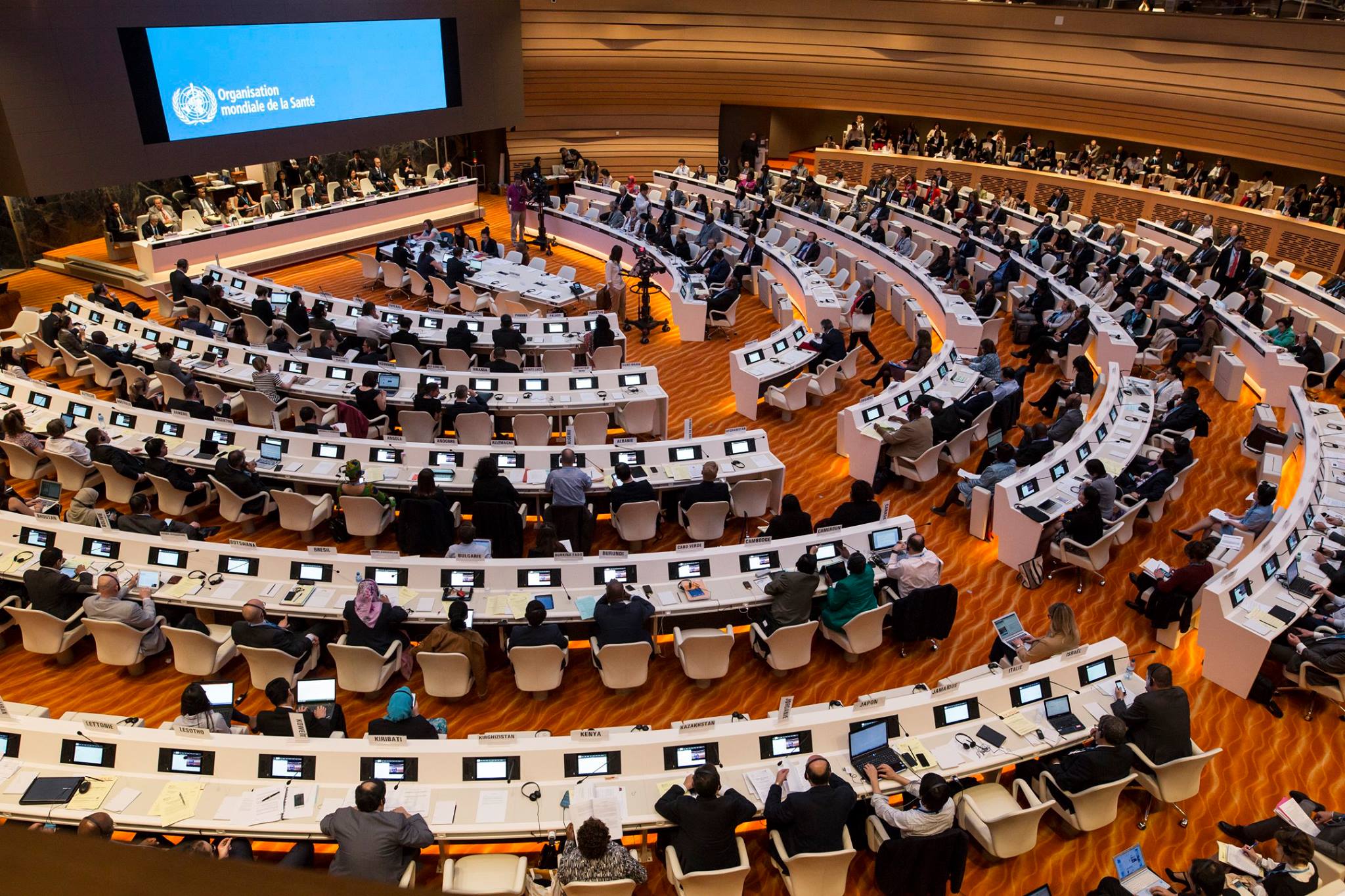
Countries resumed talks on Monday to finalize a landmark global agreement on pandemic preparedness, driven by recent outbreaks of mpox, Marburg virus, and H5N1 bird flu.
After over two years of talks, hopes are high for a November 15 accord, though the core issues of pathogen and vaccine sharing remain unresolved.
In December 2021, amid concerns of another COVID-19-scale crisis, the World Health Organization’s 194 member states agreed to draft an accord on pandemic prevention, preparedness, and response.
Recent health threats—such as the mpox resurgence, a Marburg outbreak in Rwanda, and H5N1’s spread—have added urgency to the discussions.
“You face a balancing act between concluding your work in a timely manner and reaching the strongest possible text,” WHO director-general Tedros Adhanom Ghebreyesus told country negotiators as the talks round opened.
“Time is not on our side. Covid is still circulating; mpox is a global health emergency; we have an outbreak of Marburg, and H5N1 spillover. The next pandemic will not wait,” he added.
Last week, G20 health ministers in Rio de Janeiro endorsed a deal that ensures “equitable access” to pandemic countermeasures.
While many of the draft text’s 37 articles were concluded, a key sticking point remains: the sharing of pathogens and pandemic-fighting tools like vaccines.
Wealthier nations with major pharmaceutical sectors have clashed with developing countries, which felt abandoned during COVID-19.
The proposed Pathogen Access and Benefit-Sharing System (PABS) would outline these provisions, but specifics will likely be postponed until after the broader agreement.
The 12th round of talks, held at WHO’s Geneva headquarters, follows a recent biodiversity conference in Colombia, which faced similar challenges and ended without a funding agreement.
The International Federation of Pharmaceutical Manufacturers and Associations urged that intellectual property rights be respected, with technology transfers remaining voluntary and on mutually-agreed terms.
Representatives from various countries outlined their positions, with some urging caution against rushing the agreement.
Malaysia, representing the Group for Equity, called for “major improvements,” advocating that at least 20% of real-time pandemic resources be allocated to developing nations.
Tanzania, representing 48 African countries, emphasized the need for equity in the accord.
Indonesia and Eswatini opposed a superficial agreement, while China stressed that quality should not be sacrificed.
Germany, however, pushed for quicker progress, calling consensus the “magic bullet” needed to make the agreement acceptable to all.