
(Photo courtesy of PIA)
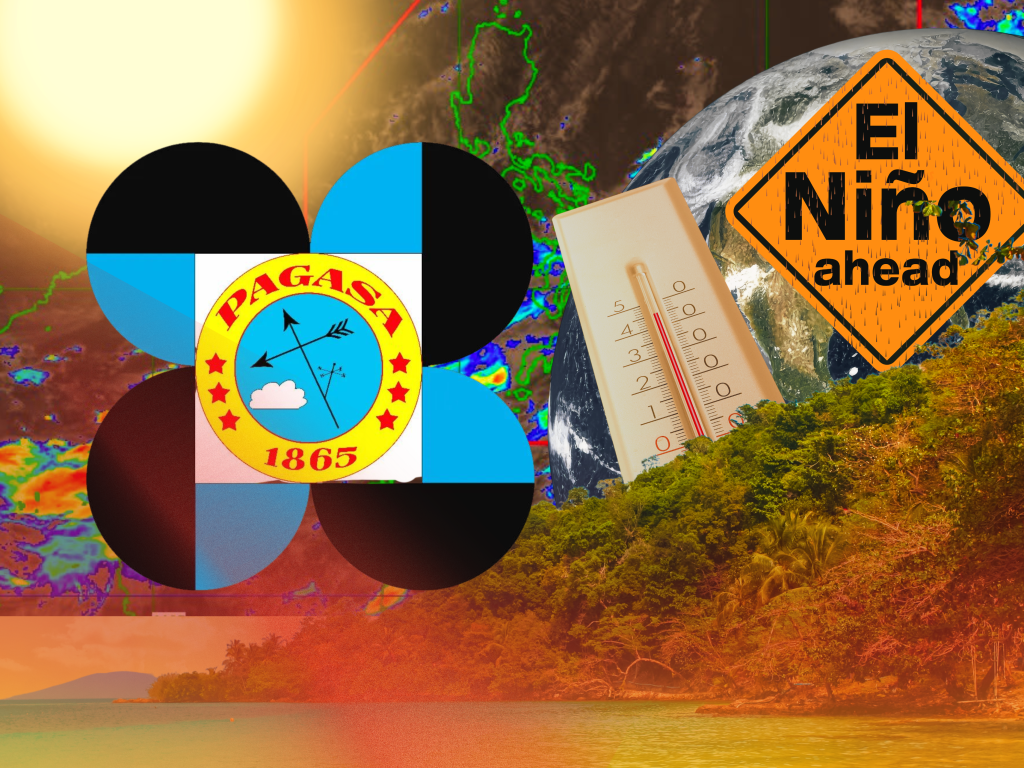
VIGAN CITY, Ilocos Sur — The Philippine Atmospheric, Geophysical and Astronomical Services Administration (PAGASA) has intensified its climate monitoring and coordination with government agencies to help communities prepare for the potential effects of the ongoing very strong El Niño.
Through its Vigan City station, particularly the Abra River Basin Flood Forecasting and Warning Center, PAGASA continues to provide weather, climate and hydrological information to support government preparedness measures and protect vulnerable sectors.
PAGASA Weather Specialist Iohnkieve Diculen said the agency is working closely with the Department of Agriculture (DA) and other government offices to ensure that accurate and timely climate information reaches communities that could be affected by prolonged dry conditions.
“Our agency is coordinating with various offices, including the Department of Agriculture (DA),” Diculen said during the Philippine Information Agency-Ilocos Sur’s Ammuentayo radio program.
“It is our mandate to provide weather and agro-meteorological data to help researchers and the academe implement timely safeguards,” he added.
Diculen said the Vigan-based hydrological station is closely monitoring water conditions in the Abra River Basin, which is among the areas affected by the ongoing El Niño phenomenon.
“Our station here in Vigan is a hydrological station monitoring the Abra River Basin, which is among the areas directly affected by the ongoing El Niño phenomenon,” he said.
He explained that El Niño is part of the El Niño-Southern Oscillation (ENSO), a natural climate pattern that influences rainfall and temperature conditions across the Pacific region.
During El Niño, warmer-than-normal sea surface temperatures develop in the central and eastern equatorial Pacific, weakening trade winds and altering atmospheric circulation.
“Because the rain-bearing clouds shift out into the ocean, areas like the Philippines and Australia are left with reduced cloud cover, higher temperatures, and lower chances of rainfall,” Diculen explained.
These conditions increase the possibility of below-normal rainfall, dry spells and droughts, potentially affecting agricultural production, irrigation systems and water resources.
According to Diculen, climate projections cited in PAGASA’s El Niño Advisory No. 6 indicate that the weather phenomenon could reach its peak toward the end of 2026 and persist through the first quarter of 2027.
He added that El Niño conditions could potentially extend into the first half of 2027, depending on developments in the Pacific Ocean.
Despite the prevailing dry conditions, Diculen reminded the public that heavy rainfall remains possible during the passage of tropical cyclones and other rain-bearing weather systems.
He emphasized that communities should continue preparing for sudden changes in weather conditions even during an El Niño episode.
“Through our drought monitoring initiatives, we issue critical assessments as conditions transition from dry spells to severe drought,” Diculen said.
PAGASA continues to issue climate assessments and drought monitoring reports to guide local government units, farmers and concerned agencies in planning appropriate interventions.
The agency also encouraged the public to regularly check its official communication channels, including the DOST-PAGASA Facebook page and the Northern Luzon PAGASA Regional Services Division, for verified weather bulletins and localized climate advisories.
PAGASA stressed that sustained monitoring, interagency cooperation and timely dissemination of scientific information are essential to minimizing the potential effects of El Niño on agriculture, water resources and affected communities.