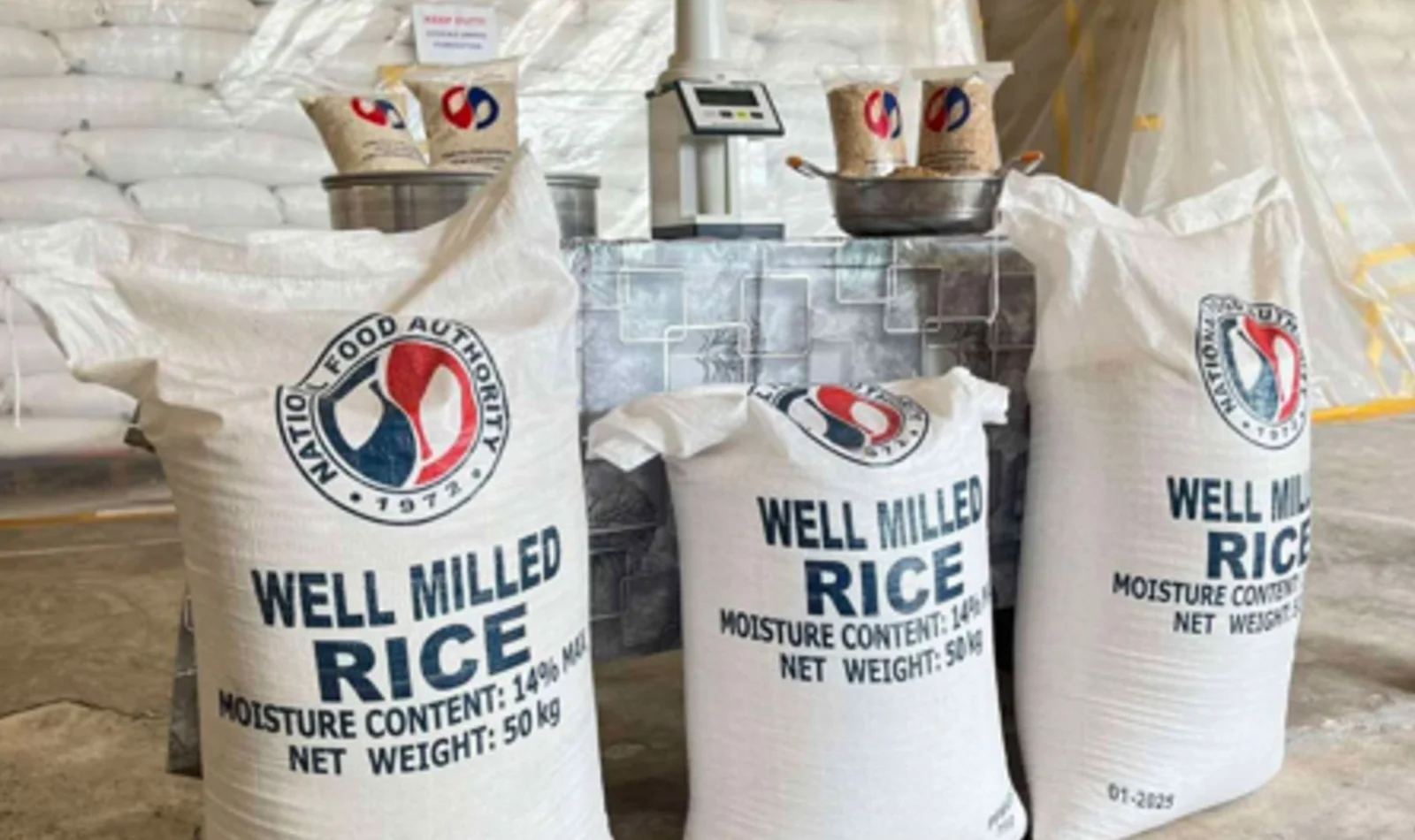

By May 13, Filipino households in Metro Manila and surrounding areas can start buying rice at just ₱20 per kilo, as the government expands its flagship food security initiative through the Kadiwa ng Pangulo centers.
The Department of Agriculture (DA) announced that at least 32 Kadiwa stores across Metro Manila and nearby provinces like Bulacan, Cavite, Laguna, Rizal, and Mindoro will offer the low-cost rice to qualified families starting next week. The move is part of the administration’s broader push to make basic food items more accessible amid rising living costs.
Originally piloted in Cebu City earlier this month, the ₱20/kilo rice program was designed to run for six months in the Visayas. However, following President Ferdinand Marcos Jr.’s directive, the Department of Agriculture is now scaling it up and pledging to sustain the effort through 2028—his full term in office.
“President Marcos made a promise to bring affordable rice to the people, and this program is our commitment to that vision,” Agriculture Secretary Francisco Tiu Laurel Jr. said. “After the required pause due to election-related restrictions, we are ready to resume with wider reach and stronger local partnerships.”
The program was briefly halted in accordance with the Commission on Elections’ spending ban, which lasted from May 2 to May 12. Now, with the ban lifted, officials are moving quickly to deploy rice supplies to Kadiwa stores operated in partnership with local government units (LGUs).
Each participating LGU will determine the eligibility of residents and share the cost of a ₱13-per-kilo subsidy with the DA’s Food Terminal Inc., making the discounted price feasible.
Beneficiaries will include vulnerable sectors such as solo parents, senior citizens, persons with disabilities, and 4Ps (Pantawid Pamilyang Pilipino Program) households. To ensure fair distribution, families can purchase up to 30 kilograms of subsidized rice per month.
Assistant Secretary Genevieve Velicaria-Guevarra, who leads the Kadiwa program, said the expansion aims to serve approximately two million households—reaching around 10 million individuals—through December. “This initiative is not just about rice. It’s about dignity, food security, and easing everyday burdens on Filipino families,” she said.
Beyond helping consumers, the program also provides critical support for farmers. By offloading inventory from National Food Authority warehouses, the government can increase its procurement of palay (unmilled rice) at better prices, boosting farmer income.
As the Kadiwa network grows, the DA says this is just the beginning of more direct farm-to-table interventions to cushion Filipinos from inflation and protect the country’s food supply chain.