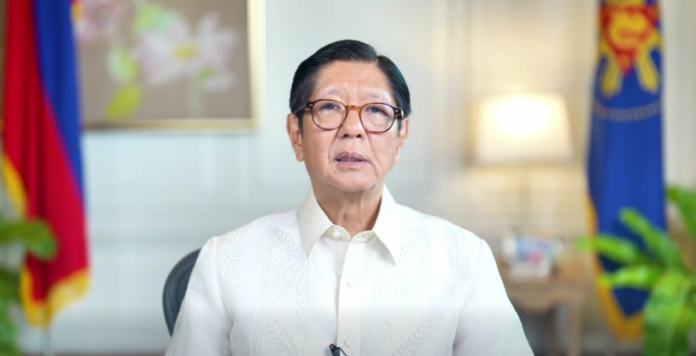
Congressman Mark Cojuangco outside the Philippine Nuclear Power Plant in Bataan. The lawmaker is urging the government to advance a concrete roadmap for nuclear energy development.
BATAAN, Philippines — The Philippines’ nuclear energy debate has returned to the spotlight. For advocates, the question now is how quickly the government can turn renewed interest into concrete action.
Following President Ferdinand Marcos Jr.’s call during his State of the Nation Address to reconsider nuclear energy, Pangasinan 2nd District Representative Mark O. Cojuangco is urging the administration to set a clearer course for its development.
Cojuangco, chairman of the Special Committee on Nuclear Energy, said growing electricity demand makes it increasingly urgent to move beyond discussions and establish a roadmap with defined priorities and implementation milestones.
“Nuclear power cannot remain an option we revisit. We need to see real progress from the government and a clear direction for where our energy security is headed right now,” Cojuangco said. “The administration’s term will eventually end, but the energy demand will not. If our country does not immediately act on this, we keep on delaying addressing our energy needs.”
He pointed to legislative efforts, including the proposed Nuclear Energy Sector Integration Act and the recently signed measure establishing the Philippine Atomic Energy Regulatory Authority, or PhilATOM, as steps that should be followed by sustained government action.
For Cojuangco, that work should include advancing nuclear energy’s integration into the country’s power system and pursuing the revival of the Philippine Nuclear Power Plant in Bataan.
Alpas Pinas, a nonprofit organization advocating nuclear energy, echoed the call. The group said recurring supply constraints underscore the need to broaden the country’s energy mix and prepare for future demand.
Gayle Certeza, PhD, lead convenor of Alpas Pinas, cited longstanding concerns over electricity costs and supply reliability as reasons to give nuclear energy a more concrete role in national planning.
“We cannot solve today’s problems with the same solutions,” Certeza said.
She urged the government to follow the President’s recognition of nuclear energy’s potential with measures that would help prepare the country’s power supply for the years ahead. She also described the recommissioning of the Bataan facility as an essential part of the energy plans advocated by the organization.
The renewed push places the focus on what comes after policy support: a clear path from legislation and planning to implementation.
For Cojuangco and Alpas Pinas, progress will be measured by decisions and milestones that carry the country’s nuclear ambitions forward—and sustain that work beyond a single administration.