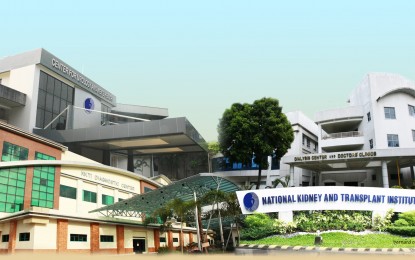
The National Kidney and Transplant Institute (NKTI) conducted a transplant caravan at the General Santos Doctors Hospital (GSDH) as part of its initiative to enhance the country’s organ transplantation and renal care capacity.
NKTI Executive Director Rose Marie Rosete-Liquete highlighted the significance of expanding access to high-quality renal care, particularly for patients in Mindanao. She emphasized that equipping GSDH with the necessary facilities and expertise would eliminate the need for patients in General Santos City to travel long distances to Davao or Metro Manila for treatment. Strengthening the healthcare network across Mindanao ensures that critical care is more accessible to those who need it most.
The passage of Republic Act 11959, or the Regional Specialty Centers Act, has paved the way for stronger collaboration between national and regional hospitals. NKTI has recorded a steady rise in chronic kidney disease (CKD) cases, serving nearly 35,000 outpatients and 27,000 inpatients in 2024— a significant increase from the 28,000 outpatients and 10,000 inpatients it served in 2003 when its hemodialysis center became fully operational.
Current data estimates that around seven million Filipinos suffer from CKD, with one Filipino developing chronic kidney failure every hour. The country’s CKD growth rate of 35.9 percent far exceeds the global average of 9.1 percent to 13.4 percent.
While NKTI has played a key role in training healthcare professionals, its transplant caravan aims to address pressing challenges in kidney transplantation faced by regional hospitals. These include limited access to donor kidneys, the unavailability of essential immunologic tests, and difficulties in long-term post-transplant care, particularly in managing immunosuppression and organ rejection monitoring.
Regional hospitals also struggle with a shortage of specialized healthcare professionals, including nephrologists, surgeons, and transplant nurses. Training programs to develop these specialists remain limited, and access to biopsy services, crucial for diagnosing transplant rejection, is insufficient. Financial constraints and gaps in medical insurance further hinder kidney transplantation efforts.
To address these challenges, NKTI has committed to providing human resource training, operational support, and standardized clinical guidelines for kidney transplant protocols at GSDH. Hospital staff from GSDH have already undergone specialized training in transplant coordination at NKTI, with two more staff members set to receive transplant nursing training in the near future.