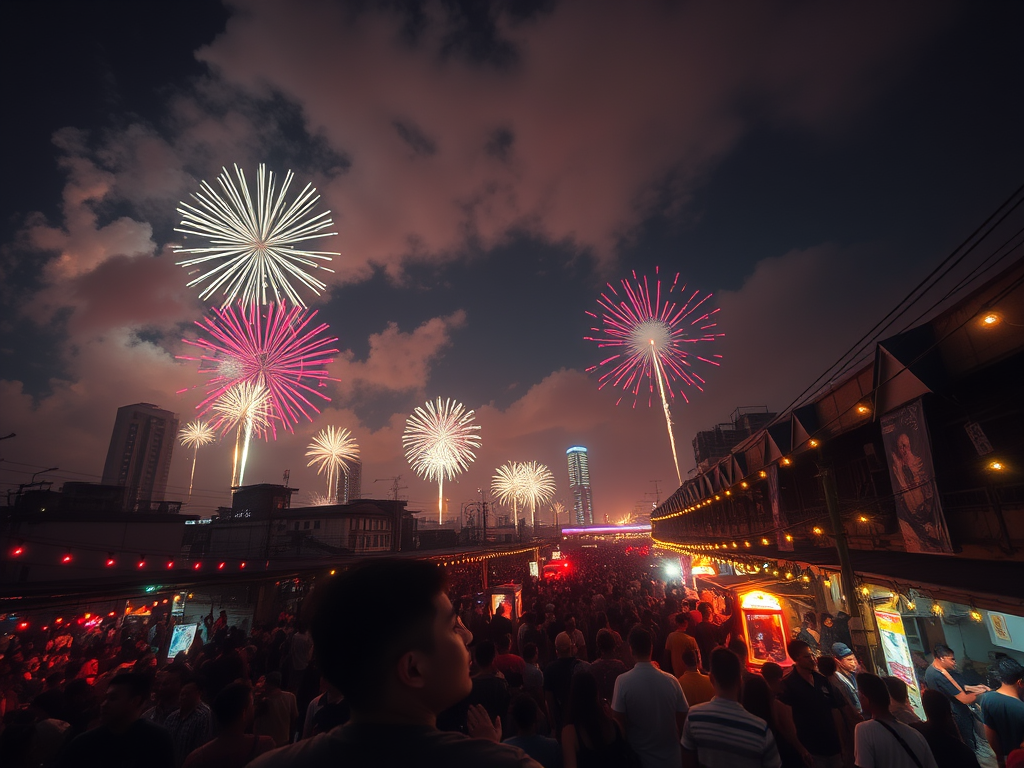
Metro Manila experienced a sharp rise in air pollution following New Year’s Eve celebrations. Swiss air quality technology company IQAir reported moderate to very unhealthy air quality levels across the region on January 1, 2025.
The cities of Taguig and Manila recorded the highest Air Quality Index (AQI) levels, reaching 224 and 218, respectively, by 10 a.m. These readings, categorized as “very unhealthy,” highlighted the severe impact of fireworks, with fine particulate matter (PM2.5) identified as the primary pollutant. Such levels pose significant health risks, particularly to vulnerable groups.
The Department of Health (DOH) warned of the harmful effects of inhaling smoke from fireworks, which contain dangerous chemicals that can exacerbate respiratory issues. Assistant Secretary and DOH spokesperson Albert Domingo explained that the pollutants from fireworks trigger asthma and other respiratory conditions.
“For individuals with asthma or allergies, the irritants in the smoke can inflame their airways, potentially causing severe attacks,” Domingo said. He likened the effects of firecracker smoke to an artificial ashfall, emphasizing that while the visible smoke may dissipate quickly, its harmful particles linger in the air and can continue to affect health.
The impact of the New Year revelry was evident in the latest health data.
The DOH reported a surge in bronchial asthma cases, rising dramatically from just six cases on December 22 to 73 by the start of the new year. The increase was especially noticeable during the holiday season when fireworks usage peaks.
Domingo urged the public to remain vigilant about the effects of air pollution, regardless of the season. “Whether it’s the New Year or an ordinary day, we must stay aware of the risks posed by the air quality around us,” he said.
The findings underscore the pressing need for stricter regulation of firecracker use and increased public awareness about the long-term health consequences of air pollution caused by festive activities.