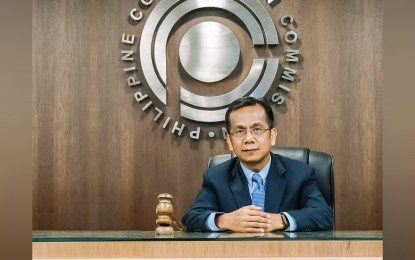

The Philippine economy is on track for an improved performance in the last quarter of 2024, with growth expected to outpace the third quarter, according to National Economic and Development Authority (NEDA) Secretary Arsenio Balisacan.
Despite facing a series of cyclones and other challenges, robust macroeconomic fundamentals drive optimism for the country’s economic outlook.
“We remain confident about achieving stronger growth in the fourth quarter,” Balisacan announced during NEDA’s year-end press conference in Mandaluyong City. He highlighted that the economy’s gross domestic product (GDP) — the total value of goods and services produced — grew by 5.8% during the first three quarters of 2024. While slightly below the government’s 6% to 7% target, the anticipated year-end surge is expected to bridge the gap,” Balicasan said.
Drivers of optimism in Q4
Key factors contributing to the positive outlook include heightened holiday spending, more stable commodity prices, robust remittance inflows, and a resilient labor market. These elements, Balisacan noted, provide strong momentum for the economy despite the hurdles faced earlier in the year.
While weather-related disasters, including multiple cyclones, negatively impacted agriculture — a sector that accounts for nearly 10% of the economy — other sectors are expected to compensate for the downturn.
“Positive forces like declining interest rates, stable inflation, and strong remittances are likely to outweigh the challenges in agriculture,” Balisacan explained.
Inflation and labor market resilience
Inflation averaged 3.3% from January to October 2024 and remains within the government’s target range of 2% to 4%. This stability and proactive monetary policies have bolstered consumer and business confidence.
The labor market also showed notable improvements. The labor force participation rate increased to 65.7% in September, up from 64% a year earlier. Additionally, the unemployment rate dropped to 3.7%, compared to 4.5% in September 2023, signaling a robust recovery.
However, challenges persist, such as a slight rise in underemployment, which the government aims to address through initiatives like the forthcoming Trabaho Para sa Bayan plan, focused on upskilling workers and creating high-quality jobs.
Monetary policy to boost private spending
The Bangko Sentral ng Pilipinas’ (BSP) decision to ease monetary policy is a key driver for sustained economic growth in the coming quarters. By cutting policy rates by a cumulative 50 basis points and reducing reserve requirements, the BSP aims to boost liquidity and encourage private spending on consumer goods and capital-intensive infrastructure projects.
“This move makes borrowing more affordable for businesses and consumers, critical for spurring investments and driving growth,” Balisacan emphasized.
Challenges and prospects head
Despite the positive momentum, the government remains vigilant about external and domestic risks, including unpredictable weather patterns and geopolitical tensions.
Agriculture, in particular, requires targeted interventions to mitigate the impacts of climate change and ensure food security.
Looking ahead, Balisacan reiterated the government’s commitment to fostering inclusive growth. Digital transformation projects, investments in resilient infrastructure, and public-private partnerships are poised to enhance regional development and further strengthen the economy.
With these initiatives and a strong finish in the fourth quarter, the Philippines remains on track to achieve its 2024 growth target, paving the way for long-term economic transformation. “We are building a resilient and inclusive economy that can withstand shocks and deliver sustained growth for all Filipinos,” Balisacan concluded.