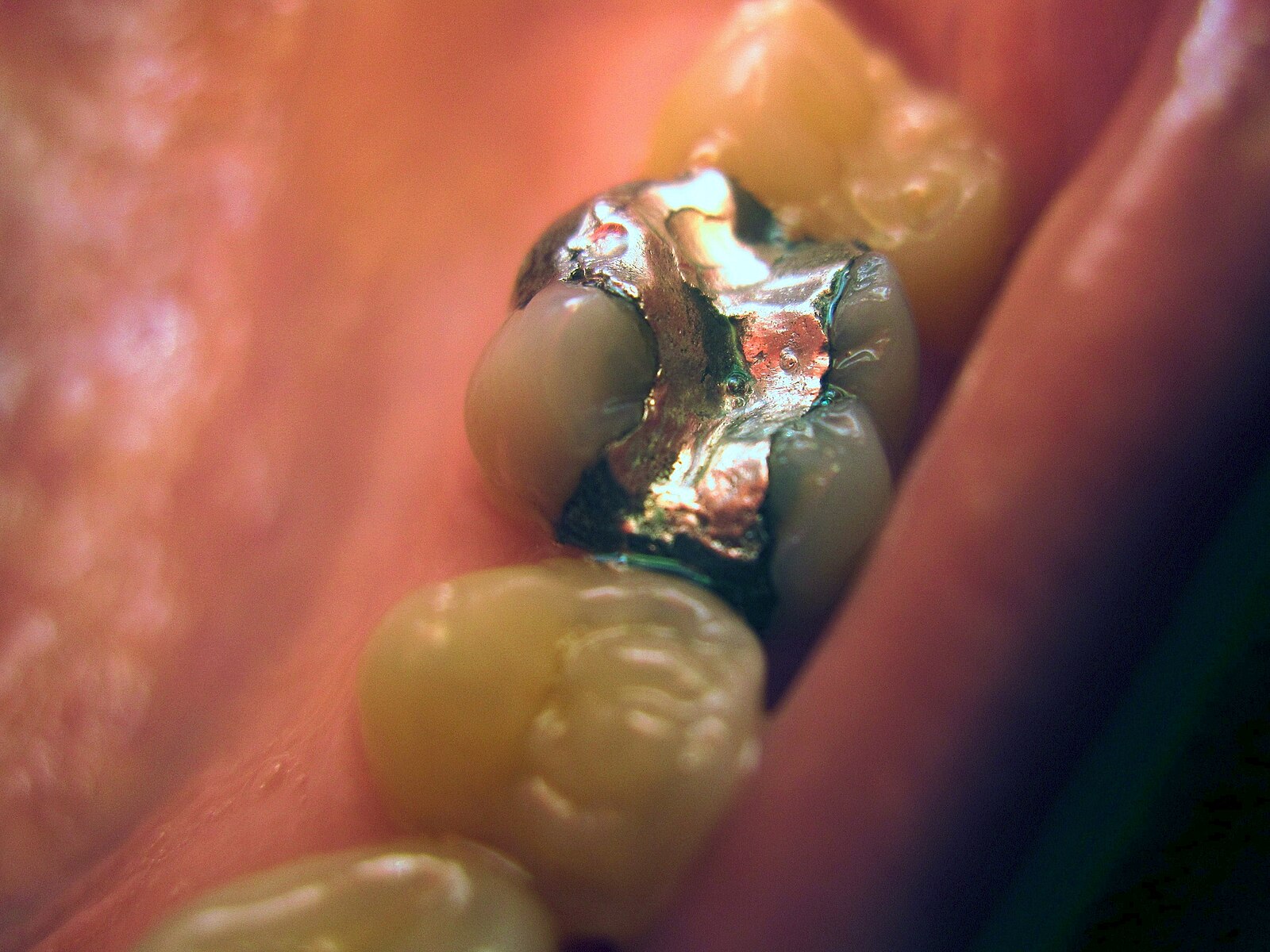
Countries around the world have agreed to phase out the use of mercury-based dental amalgams in tooth fillings by 2034, marking a significant global effort to reduce mercury pollution.
The historic agreement was reached on Friday at a conference in Geneva by signatories to the Minamata Convention on Mercury, an international treaty dedicated to protecting human health and the environment from the adverse effects of mercury.
The nations adopted amendments that “establish a global phase-out of dental amalgam by 2034,” according to the conference’s closing statement.
Dental amalgam, a common filling material used for over 175 years, is viewed with concern due to its mercury content. The World Health Organization (WHO) classifies mercury as one of the top 10 chemicals of major public health concern, calling it “toxic to human health.”
While the Minamata Convention already required signatories to take measures to reduce the use of mercury amalgams, the new timeline sets a definitive global end date for the practice.
Monika Stankiewicz, the convention’s executive secretary, called the decision a decisive step toward eliminating mercury use in dentistry, stating, “We have just opened the door to another chapter of the mercury history book.”
The agreement follows an initiative by a bloc of African countries that pushed for a stronger phase-out commitment. Although some nations, including Iran, India, and Britain, initially expressed reservations about an earlier 2030 deadline, the parties ultimately compromised on the 2034 phase-out.
The conference adopted a total of 21 decisions aimed at advancing the convention’s objective of protecting human health and the environment from mercury pollution.