
(Photo courtesy of MMDA)
MANILA, Philippines – The Metropolitan Manila Development Authority (MMDA) is seeking Php 3.4 billion for flood control and sewerage management in 2027, accounting for more than half of its proposed Php 6.56-billion budget.
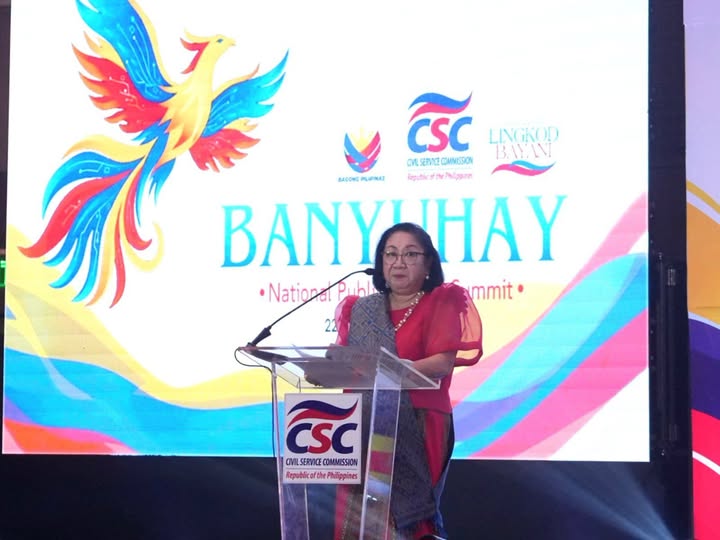
During the Senate Committee on Finance hearing Thursday, October 22, MMDA Chairperson Romando Artes said flood mitigation remains the agency’s top spending priority despite a reduction in its overall funding.
Of the proposed flood control allocation, Php 2.51 billion will go to capital expenditures, Php 813.63 million to maintenance and operating expenses, and Php 82.22 million to personnel services.
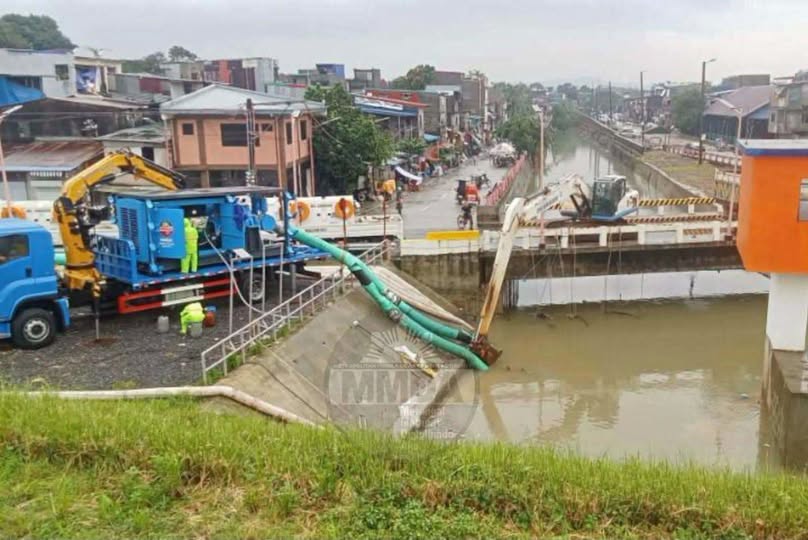
The funding will support the maintenance and improvement of drainage systems, pumping stations, and other flood control infrastructure across Metro Manila.
The MMDA’s proposed 2027 budget is Php 222 million lower than its Php 6.78-billion allocation under the 2026 General Appropriations Act.
Senator JV Ejercito, chairperson of the Senate Committee on Finance, raised concerns over heavily silted rivers and tributaries in Metro Manila and questioned whether additional funding would be necessary for dredging operations.
Aside from flood control, the MMDA proposed Php 1.99 billion for solid waste disposal and management, Php 866.03 million for traffic and transport management, Php 180.57 million for road maintenance, and Php 119.21 million for the Pasig River Ferry Service.
The proposed allocations come as the government continues efforts to upgrade Metro Manila’s flood control infrastructure.
President Ferdinand Marcos Jr. earlier announced plans to install or rehabilitate 13 pumping stations, with operations targeted to begin by late 2026 or early 2027.
Meanwhile, the MMDA is developing a network of rainwater catchment facilities designed to temporarily store excess rainfall and reduce pressure on drainage systems during heavy downpours.
Artes previously disclosed that 39 potential locations had been identified following nearly three years of technical studies and consultations with local government units.
The agency has also identified five priority rainwater impounding projects in Quezon City and Manila, with a combined proposed storage capacity of 107,600 cubic meters.
Estimated to cost Php 4.05 billion, the projects are being considered for separate funding under the National Disaster Risk Reduction and Management Fund’s rehabilitation and reconstruction assistance program.
The facilities would temporarily collect stormwater before gradually releasing it into drainage systems to help reduce flooding in surrounding communities.
However, Artes acknowledged that infrastructure improvements alone could not completely eliminate flooding in the capital region.
“We cannot guarantee flood-free Metro Manila,” he said, citing the challenges posed by increasingly intense rainfall.