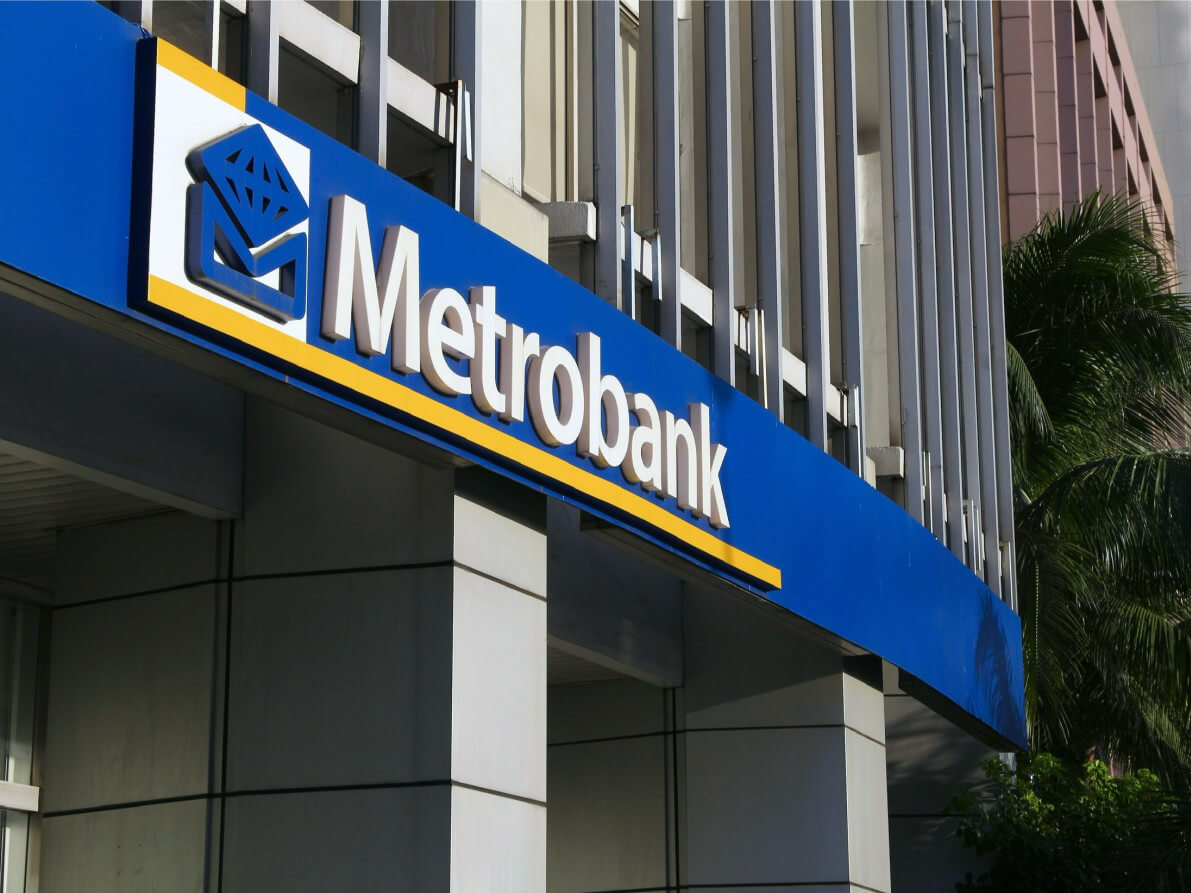

Metrobank expects a more constructive economic environment to emerge in 2026, pointing to easing inflation pressures, a more accommodative monetary policy stance, and gradually improving growth prospects after a volatile and surprise-filled year.
In its latest market outlook, Metropolitan Bank & Trust Company said the global and local economies are entering the new year with a more stable footing compared with 2025, which opened with optimism but deteriorated as global headwinds intensified.
“Coming from a year of surprises, we are expecting a better 2026 as both global and domestic economies recover,” Metrobank said, adding that the outlook for the United States has turned more constructive as tariff concerns eased and the US central bank moved closer to additional policy rate cuts.
Market jitters driven by shifting US policies, a government shutdown, and persistent uncertainty weighed on sentiment, even as the Philippines was initially seen as relatively insulated from the gloom abroad.
The bank noted that after a shallow recession last year, the US economy is expected to recover moderately in 2026, although growth will likely remain constrained by lingering weak demand and a cooling labor market. While inflation is projected to stay above target, downside risks to employment could keep policy easing firmly on the table.
Metrobank sees the Federal Reserve tolerating slightly higher inflation if it supports labor market stability and broader economic growth, particularly with a more dovish Federal Open Market Committee in place.
Against this backdrop, Metrobank expects the Fed to deliver a cumulative 100-basis-point reduction in the federal funds rate by end-2026, bringing the target range to around 2.50 to 2.75 percent. This global easing cycle is seen as providing room for Philippine monetary authorities to continue cutting rates as well.
Locally, the bank said the Philippine economy faced mounting challenges last year, with weak domestic conditions compounding global pressures. The peso slid to historically weak levels in the latter part of the year as uncertainty overwhelmed typical seasonal support, while growth surprised to the downside.
Third-quarter 2025 GDP data revealed not only a drop in public construction and slower government spending, but also an unusually sharp slowdown in private consumption, reaching levels not seen in over 15 years outside the pandemic period.
Despite these headwinds, exports proved more resilient than expected, even in the face of higher US tariffs. Metrobank said this resilience should help narrow the current account deficit, although it is likely to remain wide and continue to weigh on the peso.
Looking ahead, Metrobank expects inflation to move back within the Bangko Sentral ng Pilipinas target range of 2.0 to 4.0 percent in 2026, largely due to base effects. With inflation having dipped below target last year and economic activity remaining soft, the bank sees room for further monetary easing.
It projects the BSP to deliver a cumulative 50 basis points worth of rate cuts in 2026, bringing the reverse repurchase rate to a terminal level of around 4.00 percent by year-end.
This policy shift is expected to widen the interest rate differential with the Fed to roughly 125 basis points, helping support domestic conditions even as external pressures persist. Metrobank added that as policy rates move closer to neutral and the investment climate improves, investment activity should begin to recover, while private consumption may see a gradual pickup supported by higher government cash transfers.
However, the bank cautioned that gains could be capped by elevated household debt levels and lingering weakness in consumer and investor sentiment. It also expects inflation to trend higher in 2026 compared with an estimated 1.7 percent average in 2025, as demand-side pressures rebuild and base effects fade. Metrobank forecasts inflation to settle at around 3.3 percent in 2026 and 3.0 percent in 2027.
On the currency front, Metrobank shifted its outlook for the peso to the upside, citing expectations of a stronger US dollar and softer investor sentiment.
While easing domestic policy and resilient exports may provide some support, these are likely to be offset by continued external pressures and a still-wide current account deficit. As a result, the bank expects the dollar-peso exchange rate to remain elevated this year.
Overall, Metrobank said 2026 offers a more supportive backdrop than the previous year, with the Philippine economy appearing better positioned to absorb shocks. “This sets the stage for a gradual recovery, provided policy support remains consistent and reforms are effectively implemented,” the bank said.