By Darryl John Esguerra
MANILA – President Ferdinand R. Marcos Jr. said Sunday the Philippines can achieve its target of generating 1,200 megawatts (MW) of nuclear power by 2032, citing growing interest in the technology and the need to secure the country’s energy supply.
“I think is achievable,” Marcos said at a media briefing in Singapore when asked about the government’s commitment to the target, noting that the country has been moving quickly to expand its power generation capacity.
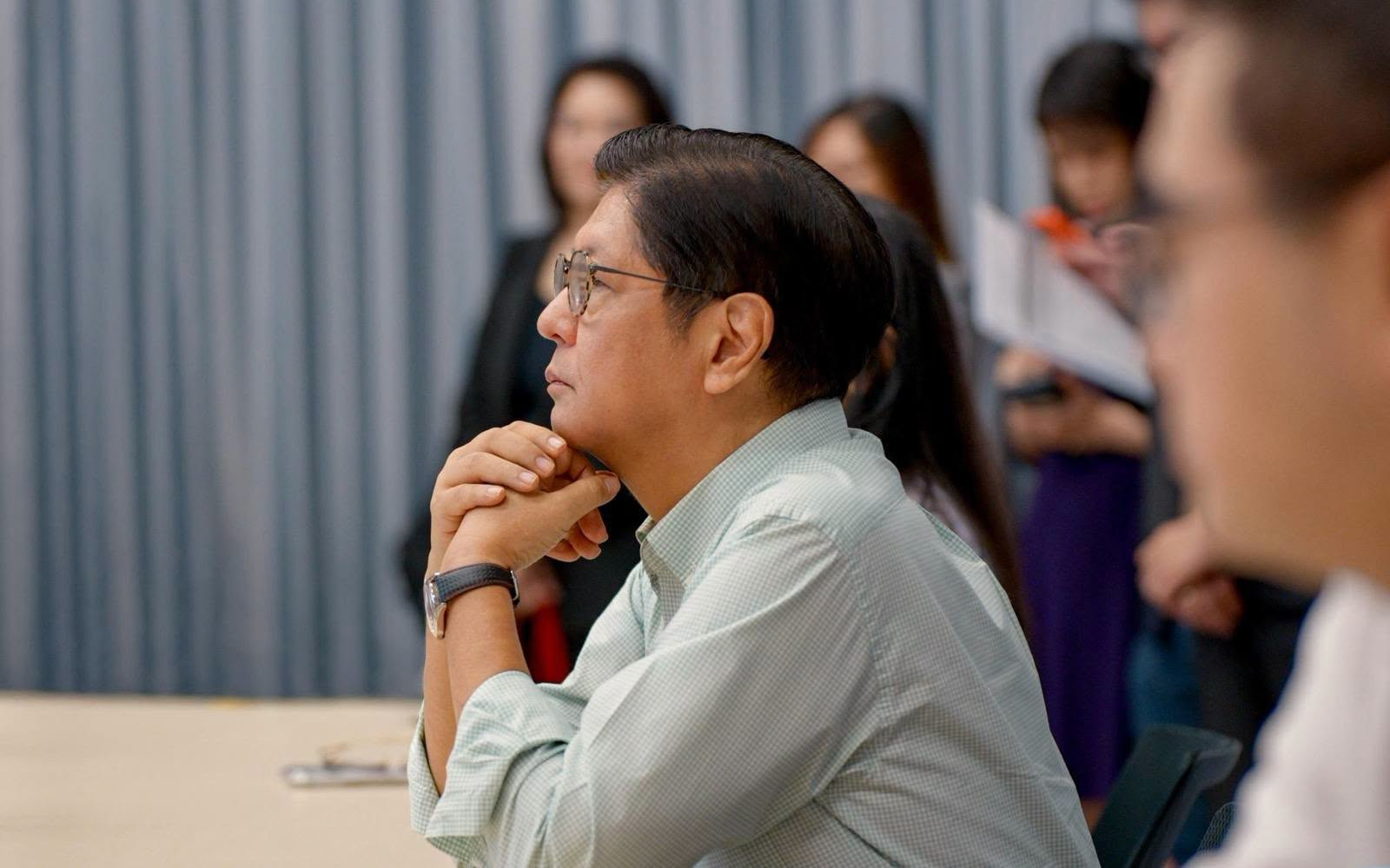
The President concluded his five-day working visit in Singapore which included a visit to the city-states Nuclear Research and Safety Institute.
Marcos renewed interest in the mothballed Bataan Nuclear Power Plant (BNPP), saying its non-commissioning was a “bad choice” given the power shortages that followed.
“Six hundred megawatts would have taken care of all of Manila at the time in 1986,” Marcos said, referring to the plant’s planned capacity.
He said the government is closely studying nuclear power, noting that advances in technology could make it more suitable for the Philippines.
However, he acknowledged that developing nuclear capacity remains a lengthy process, with permitting alone taking up about half of the six to seven years typically required.
The Philippines has also broadened its potential sources of nuclear technology beyond its previous reliance on the United States, Marcos said, citing developments in South Korea and other countries.
He pointed to the growing electricity requirements of data centers and artificial intelligence (AI) as reasons to diversify the country’s energy sources.
“If we are to be part of the value chain for AI, for the digital economy, we have to produce enough power to support it,” he said.
Marcos also cited the impact of Middle East tensions on oil supplies and prices as a lesson in the need to strengthen domestic energy sources.
He said about 30 percent of the country’s power generation from local gas, hydro, solar, wind and biomass remained unaffected during the disruption, providing a buffer while the government secured fuel supplies.
“Our experience is very clear. It cannot be clearer,” Marcos said, stressing the need to secure as much of the country’s energy supply as possible.
The President said the Philippines is also exploring hydrogen as another potential energy source, adding that the government is examining all viable options to meet future demand.
“Not only nuclear, we’re trying to look at every possible solution that will work for the Philippines,” he said.