
MANILA, Philippines — President Ferdinand Marcos Jr. called for stronger energy cooperation among Southeast Asian nations to help stabilize fuel and electricity costs, prevent further increases in food prices, and protect households and businesses from supply disruptions.
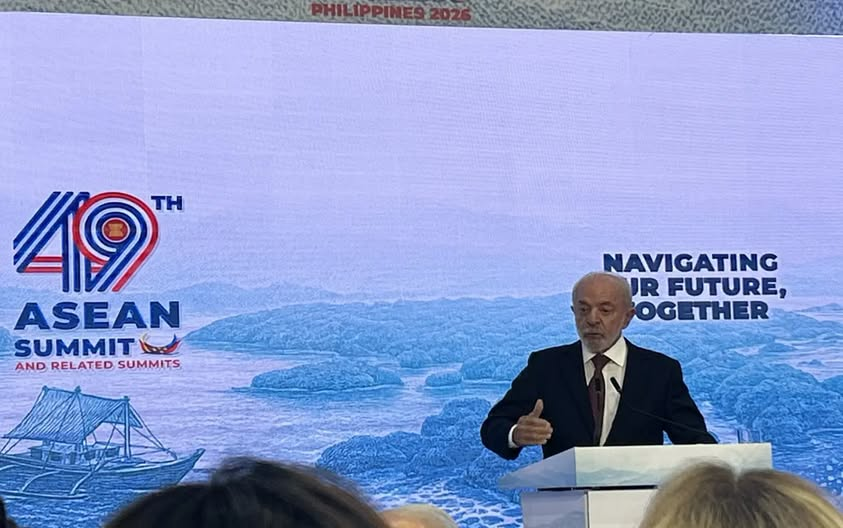
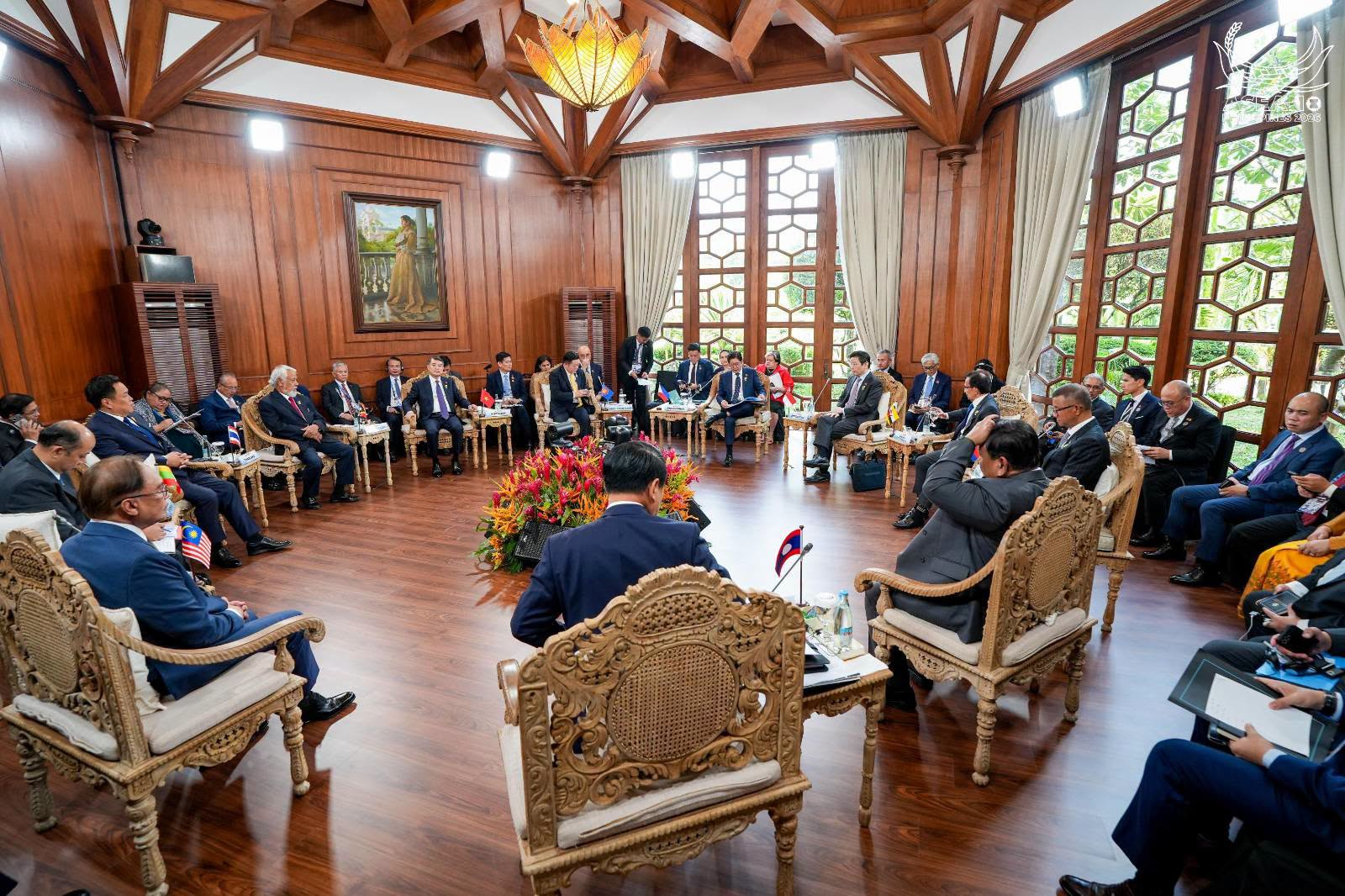
Speaking at the Leaders’ Retreat of the 49th ASEAN Summit and Related Summits in Manila, Marcos emphasized the need to strengthen regional energy connectivity, diversify energy sources, and accelerate the development of renewable energy.
The President underscored the connection between energy costs and the prices of essential commodities, noting that rising fuel and electricity expenses could increase production and transportation costs, putting additional pressure on food prices.
Higher energy costs could also affect business operations, particularly industries that depend heavily on electricity and fuel for manufacturing, logistics, and distribution.
Marcos stressed that closer cooperation among ASEAN member states would be crucial in addressing these challenges and strengthening the region’s resilience against energy supply disruptions.
Among the initiatives highlighted was the ASEAN Power Grid, a regional project aimed at improving electricity connectivity among Southeast Asian countries through cross-border power transmission and energy trading.
The initiative is intended to allow participating countries to share electricity resources more efficiently, improve supply reliability, and support the region’s transition toward cleaner energy sources.
For the Philippines, stronger regional energy integration could help diversify energy supply options and reduce exposure to disruptions in international fuel markets.
Marcos also emphasized the importance of accelerating renewable energy development as ASEAN economies work to meet growing electricity demand while pursuing long-term energy security.
The administration’s push for regional cooperation comes amid concerns over the impact of rising energy costs on household spending, business competitiveness, and overall economic activity.
Through the ASEAN Power Grid and other energy cooperation initiatives, the Philippines aims to support a more interconnected and resilient regional energy system capable of sustaining economic growth and protecting livelihoods.
However, the extent to which these initiatives could lower electricity and fuel costs will depend on their implementation, infrastructure development, and cooperation among participating countries.