
President Ferdinand Marcos Jr. has directed the return of ₱60 billion in excess funds previously remitted to the national treasury back to the Philippine Health Insurance Corporation (PhilHealth), assuring the public that the state insurer’s programs will not only remain intact but also expand further.
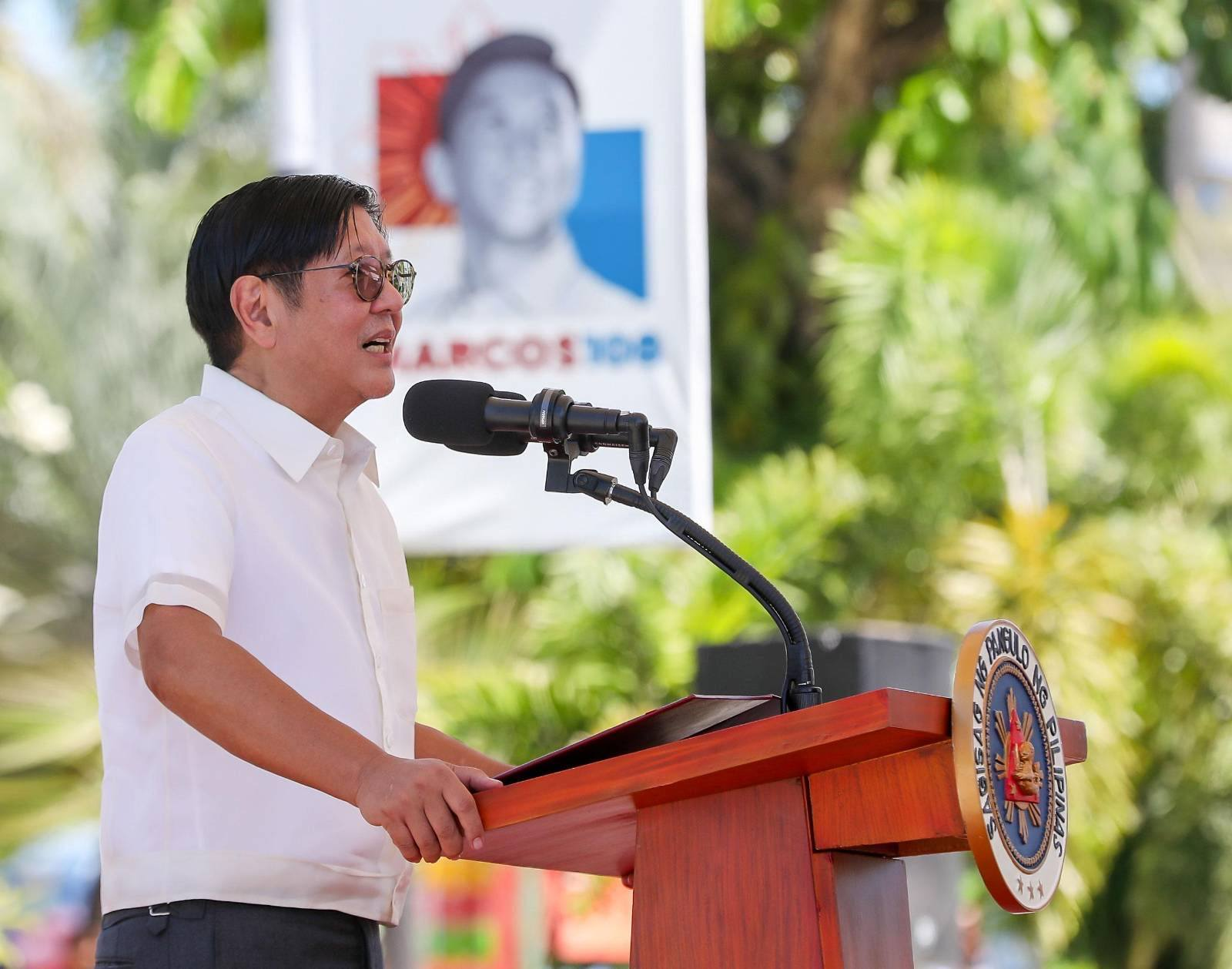
Speaking at the Dr. Jose Fabella Memorial Hospital in Manila on Saturday, Marcos said the move was both a response to public concern and a strategic investment in healthcare.
“Even if we show that PhilHealth has expanded its coverage, people remain anxious that services might be cut. That won’t happen. In fact, we are adding more,” he emphasized. “The ₱60 billion will be restored to PhilHealth, not just to ease fears but to finance broader and improved services.”
The issue stems from last year’s remittance of unused PhilHealth funds to the national treasury, which left the corporation with only ₱29.9 billion on hand. While the Department of Finance defended the transfer as legally and fiscally sound, the Supreme Court intervened in October 2024, issuing a temporary restraining order to stop further transfers after petitions were filed questioning its legality.
Finance Secretary Ralph Recto earlier maintained that no members’ contributions were touched, stressing that about 78 percent of the remitted funds supported critical government health projects.
Still, the President’s latest directive effectively reverses course, signaling a strong commitment to strengthen the public health safety net. The reinstated funds are expected to support PhilHealth’s expanded benefit packages, cover more patients, and reduce the out-of-pocket burden on Filipino families.
For Marcos, the decision underscores a broader policy direction: health insurance is not just about preserving what already exists, but about guaranteeing that Filipinos receive better, more comprehensive care in the years ahead.