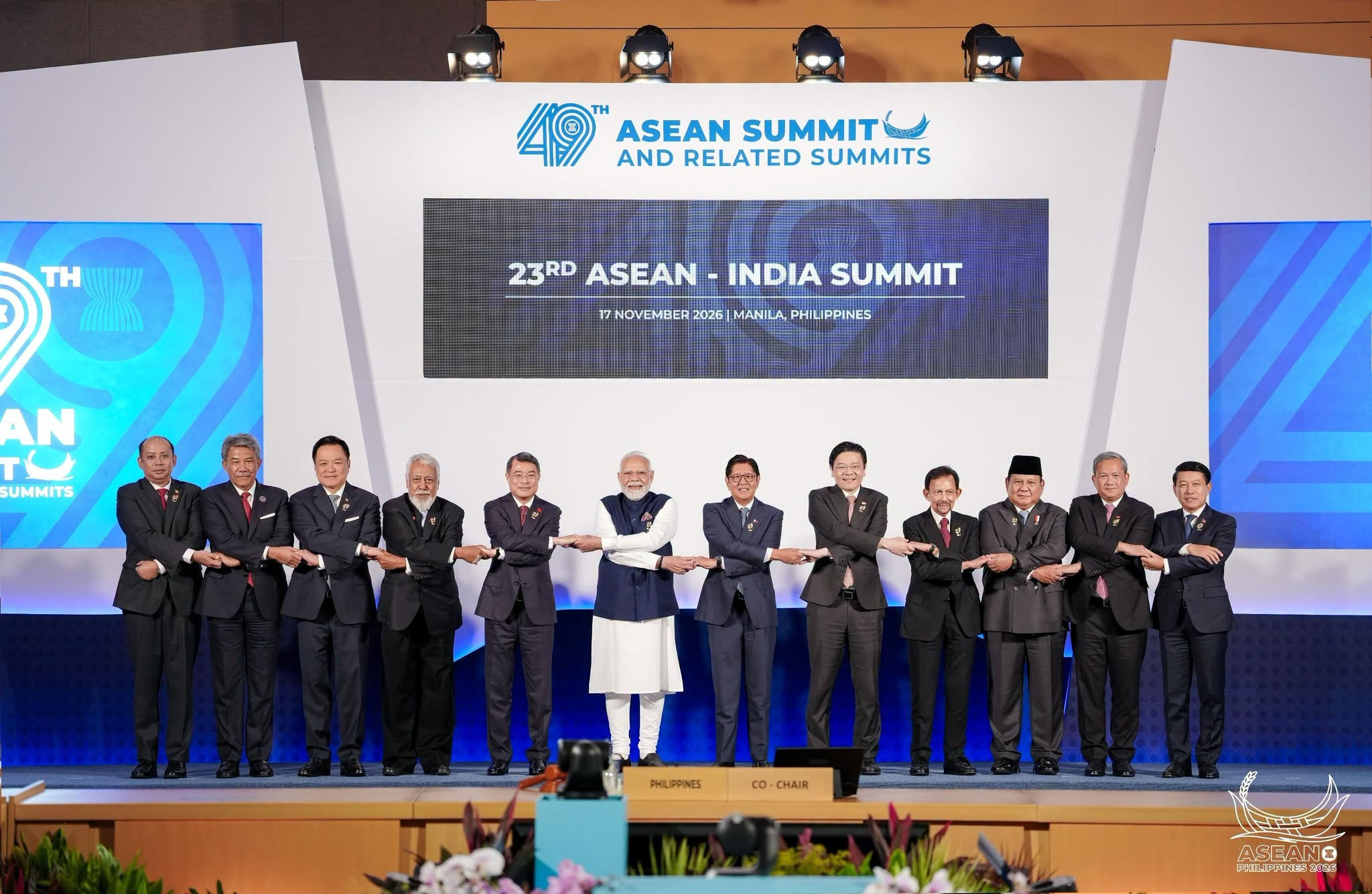

MANILA, Philippines — President Ferdinand Marcos Jr. and Indian Prime Minister Narendra Modi reaffirmed their commitment to strengthening ASEAN-India cooperation in trade, investment, maritime security, digital technology, and renewable energy to promote economic growth and regional stability across the Indo-Pacific.
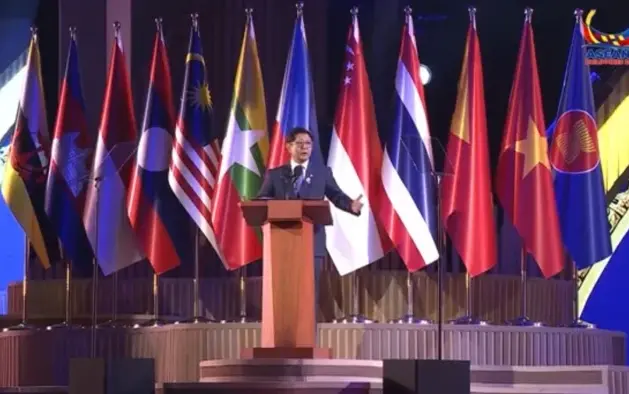
During the 23rd ASEAN-India Summit, Marcos emphasized the importance of advancing the ASEAN-India Comprehensive Strategic Partnership through initiatives that would generate economic opportunities, improve connectivity, and address emerging regional challenges.
The President highlighted cooperation in trade and investment, digital infrastructure, maritime security, renewable energy, and the ASEAN Power Grid as key areas for expanding engagement between Southeast Asian nations and India.
He also underscored the need for stronger collaboration in biodiversity conservation, sustainable agriculture and forestry, education, youth development, tourism, public health, and disaster management.
According to Marcos, these areas of cooperation are essential to ensuring that regional partnerships deliver tangible benefits to communities while supporting inclusive and sustainable economic development.
The discussions reflected ASEAN’s continuing efforts to deepen economic integration with major regional partners while addressing challenges involving energy security, climate change, technological development, and maritime stability.
India, one of ASEAN’s Comprehensive Strategic Partners, has maintained cooperation with Southeast Asian countries through economic, technological, educational, and development initiatives.
For his part, Modi reaffirmed India’s support for ASEAN unity and centrality, emphasizing the regional bloc’s important role in shaping cooperation and maintaining stability in the Indo-Pacific.
The Indian leader cited more than 100 people-to-people initiatives, over 250 quick-impact development projects, and more than 10,000 skill-building scholarships as examples of India’s expanding engagement with ASEAN member states.
These initiatives are intended to strengthen educational exchanges, enhance technical capabilities, support community development, and create opportunities for young people and professionals across the region.
Modi stressed that India’s development and ASEAN’s prosperity are closely interconnected, calling for cooperation rather than competition in addressing common economic and security challenges.
The discussions also placed particular emphasis on renewable energy and regional power connectivity, including the ASEAN Power Grid, which seeks to strengthen electricity interconnections among Southeast Asian countries.
Greater cooperation in clean energy and energy infrastructure could help ASEAN countries diversify their energy sources, improve supply reliability, and support the transition toward more sustainable economic development.
Meanwhile, cooperation in maritime security remains an important component of ASEAN-India relations as countries across the Indo-Pacific seek to maintain regional peace, stability, and secure maritime connectivity.
The summit also highlighted opportunities to expand digital infrastructure and technological cooperation, which could support businesses, improve connectivity, and strengthen participation in the growing digital economy.
Beyond economic and security concerns, both leaders emphasized the importance of people-to-people exchanges, recognizing education, tourism, cultural cooperation, and skills development as essential foundations of long-term regional partnerships.
The reaffirmation of the Comprehensive Strategic Partnership signals continued efforts to translate diplomatic commitments into practical programs that support economic resilience and improve opportunities for citizens.
However, the summit statements did not specify new funding commitments, binding agreements, or implementation timelines for the cooperation initiatives discussed.
Further coordination among ASEAN member states and India will be necessary to advance the identified priorities and translate them into concrete projects and programs.
The 23rd ASEAN-India Summit reaffirmed the shared commitment of ASEAN and India to building a secure, inclusive, resilient, and prosperous Indo-Pacific through stronger economic ties, sustainable development, and regional cooperation.