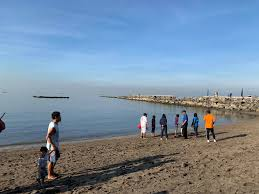

As temperatures soar across the country, Metro Manila residents seeking relief by the sea are met with a stark warning: the waters of Baseco Beach are no longer safe.
On Good Friday, the popular but long-contaminated shoreline in Tondo was closed off to swimmers as authorities confirmed alarmingly high levels of coliform bacteria in the water — a telltale sign of sewage pollution. Personnel from the Philippine Coast Guard and local barangay units were deployed to patrol the beach, preventing residents from venturing into the toxic surf.
But this is more than just a beach closure.
According to the Department of Health (DOH), exposure to polluted waters like those in Manila Bay can result in a range of serious health issues, including skin infections, gastrointestinal diseases, typhoid, and even hepatitis. The coliform spike in Baseco is a grim reminder of the ongoing environmental challenges in the capital, where inadequate wastewater treatment and unchecked urban development continue to endanger both ecosystems and communities.
The closure comes at a time when the entire country is grappling with extreme heat. State weather bureau PAGASA warned that at least 16 areas across the Philippines recorded a “dangerous” heat index of up to 43°C on Friday. Such conditions significantly increase the risk of heat exhaustion, heat stroke, and dehydration — particularly for vulnerable populations.
With public pools and safe freshwater alternatives scarce, many urban poor residents traditionally turn to beaches like Baseco for respite. Now, even that option is gone.
The DOH is urging the public to remain indoors during peak heat hours, stay hydrated, and avoid unsanitary bodies of water. Health officials emphasize that the combination of rising temperatures and unsafe environmental conditions poses a compounded risk that must be urgently addressed.
Environmental watchdogs and local advocacy groups are renewing calls for long-term solutions: improved sewage systems, stricter enforcement of environmental laws, and investment in green public spaces.
For now, Baseco Beach stands as a symbol of a larger crisis — a community trapped between heat and hazard, with nowhere safe to turn.