
By Tracy Cabrera
A small barangay in Bulacan has done what most coastal communities haven’t done to mitigate flooding in their areas of jurisdiction by using a nature-based strategy that helped its residents the impact of disastrous effects triggered mostly by climate change and global warming.
For a fact, residents of Barangay Pamarawan, a low-lying fishing village at North Manila Bay, have significantly lessened their experience of flash floods after constructing a natural coastal defense and flood control project.
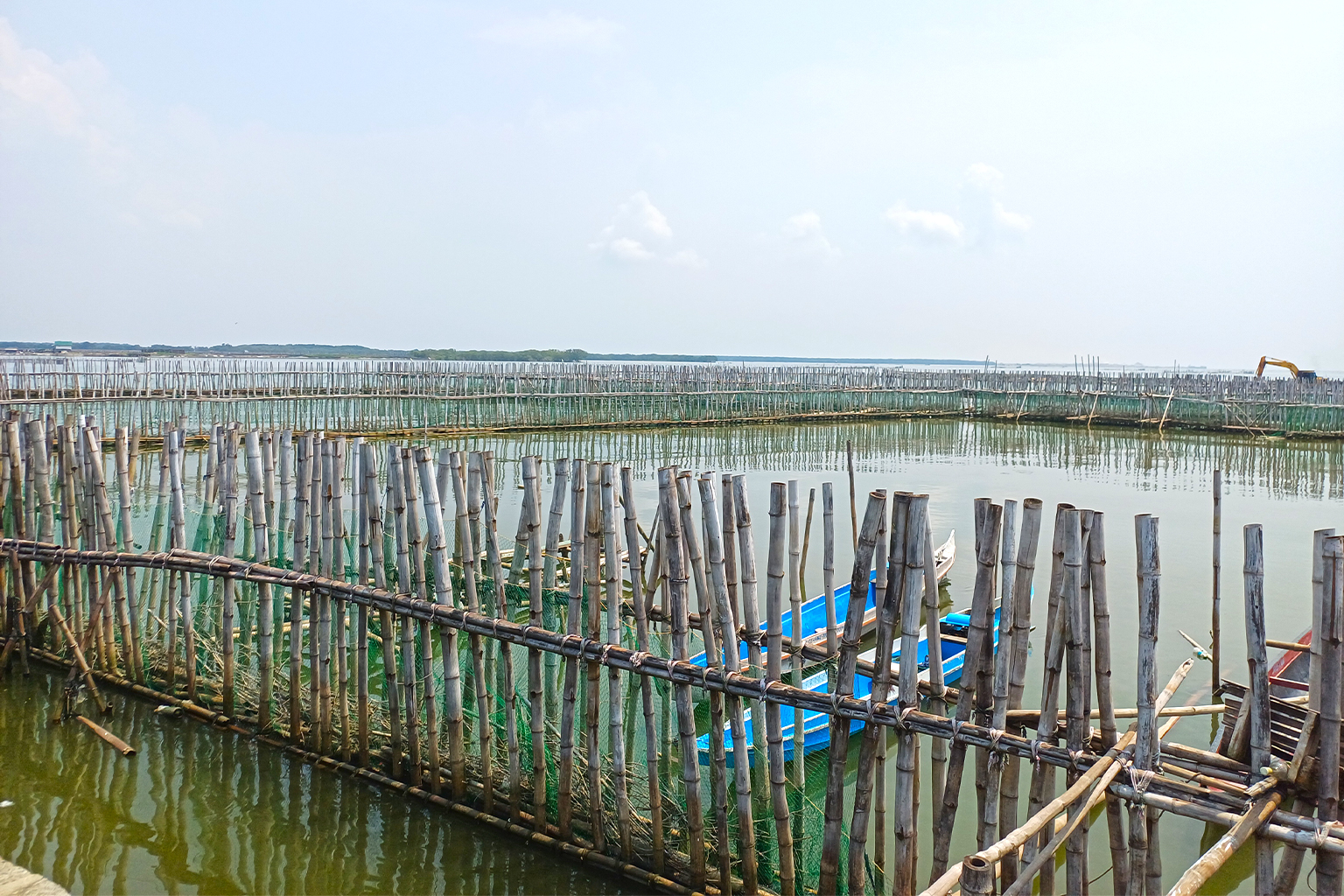
Instead of the concrete infrastructure often used like dikes and flood gates, Pamarawan opted to use locally available materials, such as bamboo poles, oyster shells and coconut husks, to protect its residents from tidal waves and storm surges.
Bamboo cribs were also put up to help accumulate sediment, which is expected to gradually raise the seabed to a height sufficient to plant mangroves, while discarded oyster shells in cocomesh bags aid in restoring oyster reefs, further strengthening the shoreline against future flooding.
The pilot initiative, the first nature-based coastal protection project in the Philippines, is touted as a potential model to address similar flooding problems elsewhere in the country.
For years, residents here had to live with floodwater inundating their streets as the southwest monsoon, known locally as hagabat, brought strong waves into the fishing village.
According to its barangay secretary Roldan Dayao, the situation even got worse during typhoons: “When there was a typhoon, the waves would go over the breakwater by almost a meter, a direct hit on the houses beside the dike.”
Pamarawan, which is only accessible by boat, already has a concrete breakwater that stands 3 to 4 meters (9-13 feet) high, but this actually does little to prevent recurring flood.
However, this situation has now changed after the construction of the nature-based coastal defense and flood control project that used locally available materials.
Interlocking, interconnected bamboo cribs currently cover 14 hectares (35 acres) off the coast while the bamboo structures, alongside discarded oyster shells placed inside coco mesh or coconut husk nets, serve as breakwaters that reduce incoming wave energy.
The cribs also trap drifting mud and sand and the oyster bags help restore oyster reefs, further strengthening the shoreline against future flooding.
Malolos mayor Christian Natividad greenlit the proposed project developed by Dutch engineering firm Haskoning in 2023. The pilot initiative is slated for completion later this year.