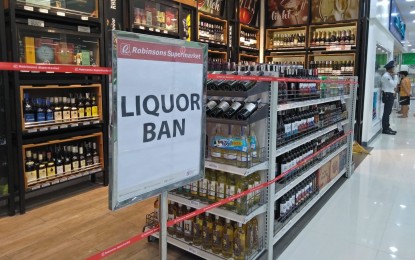
A two-day liquor ban takes effect on May 11 and 12 to help ensure a peaceful and orderly conduct of the midterm elections, the Commission on Elections (Comelec) announced.
The ban, outlined under Comelec Resolution No. 11057, strictly prohibits the selling, serving, and drinking of alcoholic beverages. It applies nationwide on the day before and on election day, when over 68 million Filipinos are expected to vote between 7 a.m. and 5 p.m. for 12 senators, 63 party-lists, 254 district representatives, and nearly 18,000 local officials.
“It serves a significant purpose in preventing alcohol-related violence, arguments or disturbances that could disrupt the peace during the elections,” said Karen Keigh Balderama, a barangay kagawad from Pateros.
Balderama said she would personally see to it that the ban is enforced in her area. “My focus will be on helping maintain a peaceful and orderly environment so our constituents can vote safely,” she said.
Some citizens welcomed the move, saying it promotes clearer judgment among voters.
“(Mainam po yun) dahil kalmado ang utak ng mga tao (That’s good because people will be calmer),” said Melvin Marco, a restaurant worker in Taguig City.
Kevin Protacio, an area manager from Pasay City, said the ban helps control unruly behavior. Businessman Jover Dailo of Makati added that it ensures “peaceful, orderly and clean polls.”
President Ferdinand R. Marcos Jr. also declared May 12 a special non-working holiday to allow voters full participation in the elections.
To maintain peace and security during the polls, the Armed Forces of the Philippines (AFP) is working closely with the Philippine National Police (PNP), both deputized by Comelec.
“The AFP, as deputized by the Comelec during the election period, is working closely with the Philippine National Police to ensure secure and peaceful midterm elections,” said AFP spokesperson Col. Francel Margareth Padilla.
The PNP has categorized 1,272 areas as green (generally peaceful), 197 as yellow (with election-related incidents), 136 as orange (with active threat groups), and 35 as red (with serious threats and political rivalries).
“The AFP provides augmentation to the PNP based on the threat level and security needs identified in each area,” Padilla added. “The number of personnel deployed varies, with increased presence especially in orange and red areas, in coordination with Comelec and the Joint Security Control Centers.”
She emphasized the AFP’s neutrality and professionalism. “We enjoin the public to remain calm, vigilant and cooperative to help guarantee that the elections are peaceful, orderly and reflective of the people’s will,” she said.