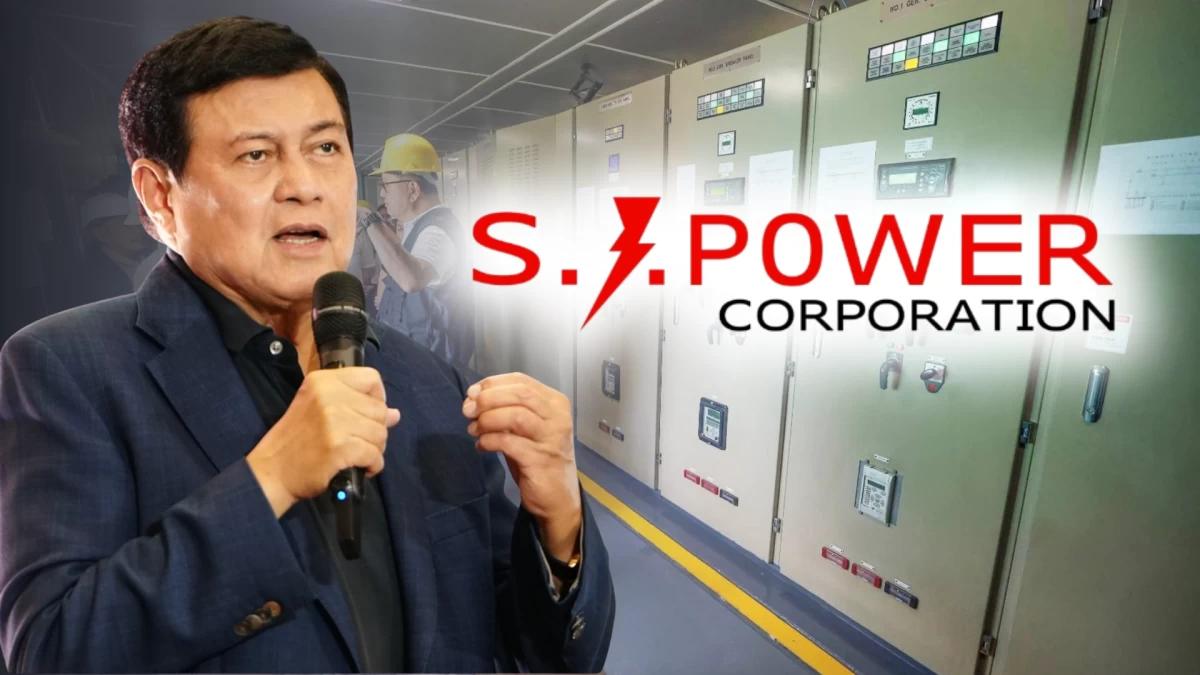

The Department of Energy has finally cut off the Villar-owned Siquijor Island Power Corp. (Sipcor) from the province’s grid, after years of mounting complaints, regulatory violations, and worsening blackouts that left Siquijor residents literally and figuratively in the dark.
Energy Secretary Sharon Garin on Friday ordered the immediate revocation of Sipcor’s provisional authority to operate, saying the company had repeatedly failed both technically and legally to provide the island with reliable electricity.
“Malinaw po—Sipcor could not deliver the service it promised,” Garin said.
But behind the government’s sudden hardline stance lies a bigger question: why was a Villar-linked power firm allowed to control Siquijor’s electricity for so long despite clear failures?
For years, residents endured rolling blackouts that crippled businesses, disrupted schools, and left entire communities vulnerable during storms and emergencies. Regulators issued notices and flagged violations, but Sipcor remained in place—its political and corporate backing seemingly insulating it from accountability.
Only after power shortages reached crisis levels did the DOE step in, calling on TotalPower to supply 15.3 megawatts to stabilize the grid.
The episode shines an unforgiving light on the country’s privatized power sector, where political families and business conglomerates often win control of critical infrastructure but are rarely held to account when services break down.
Critics now argue that the Sipcor fiasco is a test case: if a Villar-backed company can lose its license for failing to deliver, will regulators have the courage to apply the same standard to other politically connected firms? Or was Sipcor cut loose only because its failures became too big, too visible, and too embarrassing to ignore?
For the people of Siquijor, the hope is simple: that this shake-up finally brings the stable power they’ve been promised for years. For the rest of the Philippines, the case serves as a reminder that when business and politics mix unchecked, it’s the public that ends up powerless.