
(Photo courtesy of PCO)
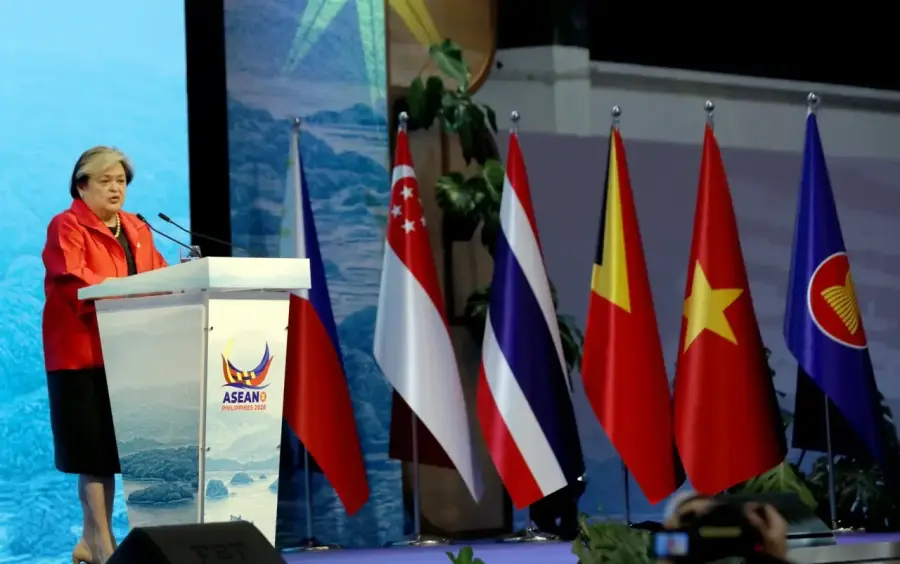
MANILA, Philippines – House leaders welcomed the reported progress in negotiations for a South China Sea Code of Conduct (COC), with nearly 80 percent of the draft provisions reaching provisional agreement under the Philippines’ 2026 ASEAN chairmanship.
Deputy Speakers Paolo Ortega V of La Union and Jay Khonghun of Zambales on Monday credited the administration of President Ferdinand Marcos Jr. for advancing the long-running negotiations between ASEAN and China, while emphasizing the need for an agreement that protects Philippine maritime rights and the safety of Filipino fishermen.
Ortega said the increase in provisionally agreed provisions from approximately 50 percent to nearly 80 percent represented significant progress in discussions that have continued for more than two decades.
“From roughly 50 percent to nearly 80 percent provisional agreement in a single year. That is the kind of progress that speaks for itself,” Ortega said.
“Under President Marcos, the Philippines has shown that determined diplomacy, backed by a clear sense of national interest, can move even the most complicated negotiations forward,” he added.
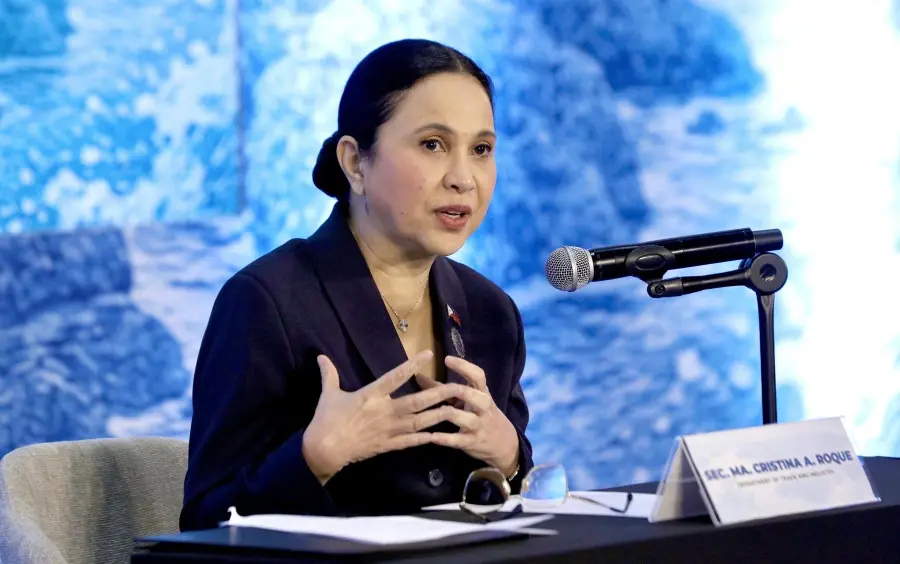
His remarks followed Foreign Affairs Secretary Ma. Theresa Lazaro’s announcement that ASEAN and China had reached provisional agreement on approximately 80 percent of the proposed code’s paragraphs.
Lazaro also disclosed that negotiators had agreed on how the proposed COC would relate to the 2002 Declaration on the Conduct of Parties in the South China Sea, with the new framework intended to build on the earlier declaration.
Ortega said the developments would provide Singapore, which assumes the ASEAN chairmanship in 2027, with a more advanced negotiating text and a stronger foundation for resolving outstanding issues.
“Getting 11 countries to agree on the rules that will govern one of the world’s most strategically important waterways takes patience, persistence and considerable diplomatic skill,” he said.
He stressed that the negotiations remain crucial to regional security, maritime cooperation and the peaceful resolution of disputes.
Meanwhile, Khonghun said the proposed agreement must deliver concrete protection for Filipino fishermen, particularly those operating in waters facing Zambales and other coastal provinces along the West Philippine Sea.
“For us in Zambales, the West Philippine Sea is not just about territory. It is about the livelihood and safety of our fishermen and the future of our coastal communities,” Khonghun said.
He emphasized that any final agreement should uphold the Philippines’ maritime entitlements under international law, particularly the United Nations Convention on the Law of the Sea (UNCLOS).
“Our fishermen deserve to earn a living without fear of harassment or intimidation. We want an agreement that helps ensure their safety while protecting our country’s rights,” he added.
Khonghun also welcomed the continuation of negotiations under Singapore’s leadership, saying sustained regional cooperation would be essential to addressing the remaining differences between ASEAN and China.
“The Philippines has laid the groundwork. Singapore can now build on what we have achieved. What matters is that the negotiations continue moving forward,” he said.
Despite the reported progress, the provisional agreement does not mean the COC has been finalized. Negotiators must still resolve outstanding provisions before the proposed framework can be adopted.
Both lawmakers expressed support for continued diplomatic engagement aimed at establishing an effective regional framework that promotes maritime stability, safeguards national interests and reduces tensions in the disputed waters.