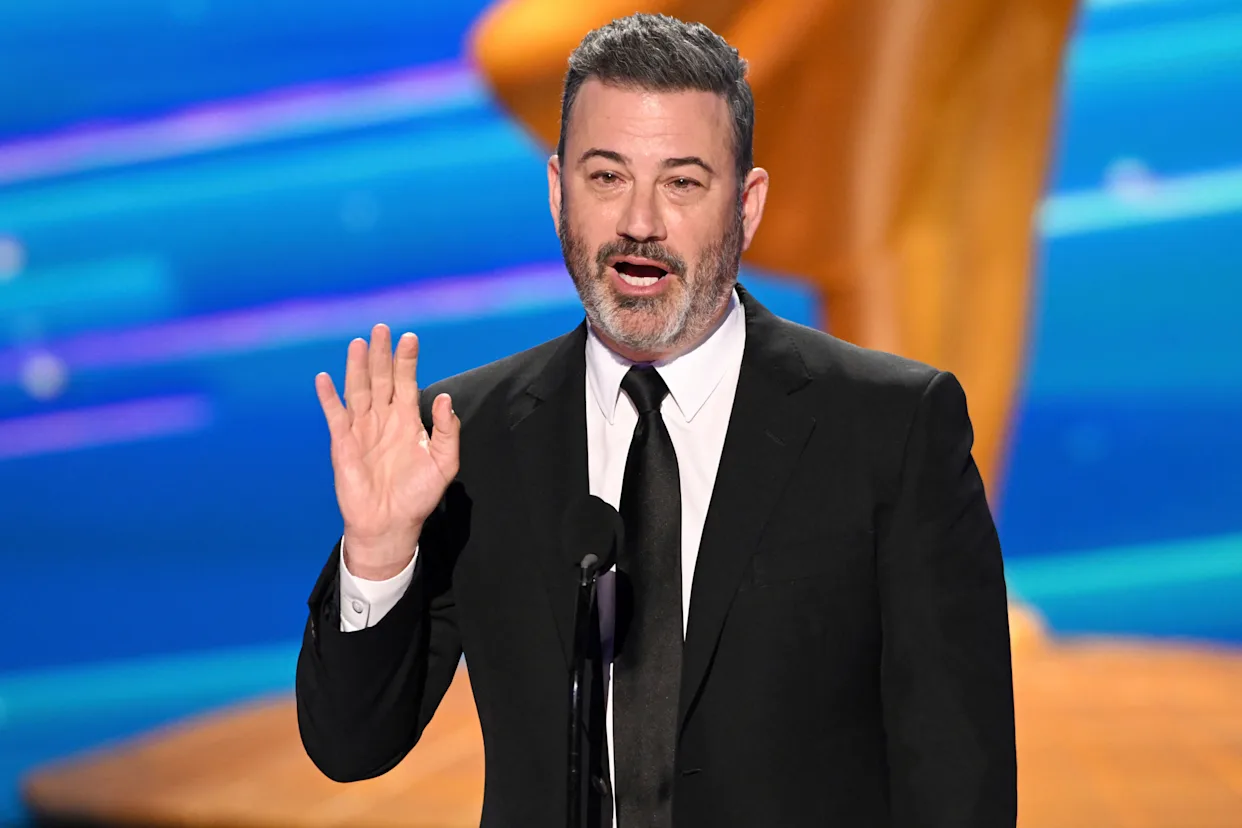

Jimmy Kimmel is heading back to late night. After a brief but controversial suspension, ABC announced that Jimmy Kimmel Live! will resume airing Tuesday, putting the comedian back at the center of America’s ever-shifting battle over free speech, political humor, and corporate risk-management.
The decision comes less than a week after Disney, ABC’s parent company, abruptly pulled the plug on new episodes following Kimmel’s pointed remarks about the death of conservative activist Charlie Kirk. What might once have been a routine late-night monologue spiraled into a flashpoint: affiliates threatened to pull the show, FCC leadership hinted at “consequences,” and Disney executives — ever mindful of advertiser sensitivities — pressed pause.
But silencing Kimmel triggered its own backlash. Within days, hundreds of Hollywood heavyweights, including Tom Hanks and Martin Short, signed an ACLU-backed letter warning that Disney’s move struck at the heart of free expression. Advocacy groups across the political spectrum rallied, arguing that comedians should not be punished for commentary — even if controversial.
Why Disney backed down
Behind the scenes, sources say Disney CEO Bob Iger and entertainment co-chair Dana Walden weighed the risk of alienating affiliates against the cost of looking like corporate censors. The compromise? Kimmel is back — though it’s unclear whether he’ll open with an apology, a sharp retort, or a mix of both. Either way, the moment is set to be scrutinized by fans, critics, and industry insiders alike.
Still, not every ABC station may fall in line. Nexstar and Sinclair, two of the country’s biggest station groups, have yet to confirm if they’ll restore Kimmel’s program in their lineups — leaving open the possibility that viewers in some markets may find reruns instead of the familiar late-night desk.
Late night’s fragile future
Kimmel’s saga highlights how fragile late-night TV has become in a polarized era. Once a space for lighthearted banter and celebrity drop-ins, the format has evolved into nightly political commentary, designed to spark viral clips more than steady ratings. Stephen Colbert’s Late Show thrived in this mode, but even that juggernaut is winding down, with Paramount set to cancel the program next spring.
For networks under pressure from advertisers and regulators, the late-night formula is suddenly risky. Jokes can morph into lawsuits. Monologues can turn into culture-war lightning rods. And as audiences migrate online, the financial justification for these programs weakens.
What happens next
Kimmel’s current ABC deal runs through 2026, and whispers in the industry suggest he may already be eyeing an exit. For now, though, his return ensures at least one more test case in how far networks are willing to go to protect — or rein in — their stars.
On Tuesday, the spotlight won’t just be on Jimmy Kimmel’s punchlines. It will be on whether late-night comedy still has the space to push boundaries, or whether the era of free-wheeling monologues is slipping away under the weight of politics, corporate caution, and an unforgiving media landscape.