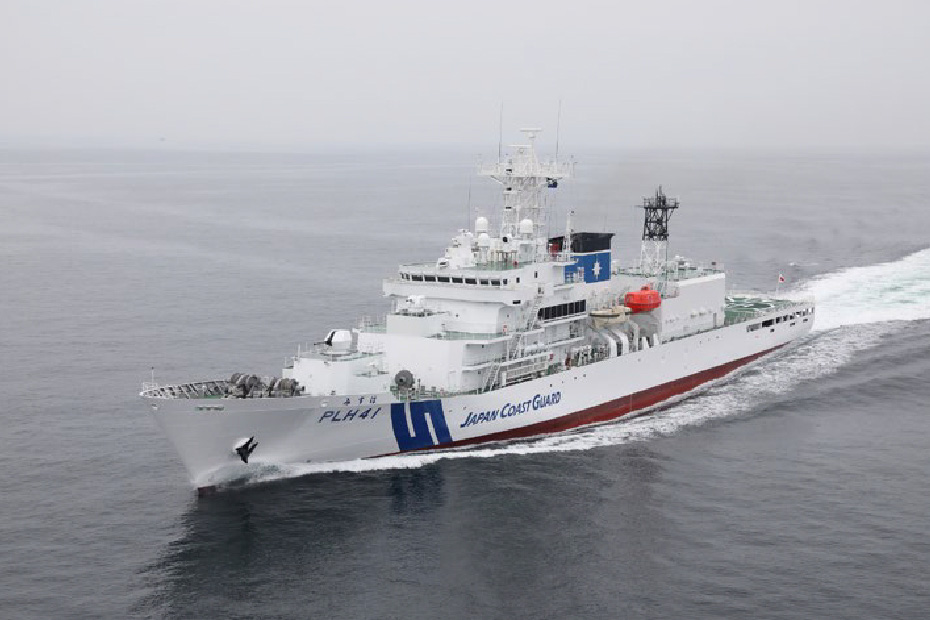

TOKYO — A maritime enforcement operation off southwestern Japan has once again placed Tokyo and Beijing on a diplomatic collision course, after Japanese authorities seized a Chinese fishing vessel inside Japan’s exclusive economic zone (EEZ) and detained its captain.
Japan’s Fisheries Agency confirmed that the incident occurred Thursday roughly 89 nautical miles south-southwest of Meshima Island in Nagasaki Prefecture. According to officials, inspectors ordered the vessel to halt for a routine fisheries check, but the boat allegedly ignored instructions and attempted to flee.
The skipper, a 47-year-old Chinese national, was arrested later that day. Eleven crew members were reportedly on board at the time of the interception.
Authorities did not immediately release details on the vessel’s catch or whether illegal fishing activity was confirmed, but the agency emphasized that it retains the authority to conduct inspections within Japan’s EEZ to enforce domestic fisheries laws and maritime regulations.
The seizure marks the first time since 2022 that Japan has detained a Chinese fishing vessel in its waters — a move that could ripple beyond fisheries enforcement and into broader geopolitical tensions.
Fishing disputes in the East China Sea have long served as flashpoints between Asia’s two largest economies. While this latest action was framed as a regulatory enforcement measure, it comes amid a period of heightened friction between Tokyo and Beijing over security and regional stability.
In recent months, relations have deteriorated over comments by Japanese Prime Minister Sanae Takaichi suggesting Japan would respond militarily if China attempted to seize Taiwan by force. Beijing reacted sharply, summoning Japan’s ambassador and conducting joint air exercises with Russia.
Trade frictions have also surfaced, including tightened Chinese export controls on items with potential military applications and reported restrictions affecting Japanese seafood shipments.
Maritime enforcement statistics reflect Japan’s stepped-up patrol presence. In 2024, authorities conducted multiple on-board inspections of foreign vessels operating near Japanese waters. Previous seizures have involved Taiwanese and South Korean fishing boats, signaling a broader crackdown rather than a China-specific campaign.|
Still, enforcement actions involving Chinese vessels tend to carry heavier diplomatic consequences, particularly given the strategic sensitivity of the East China Sea and Taiwan Strait.
For now, the detained captain faces legal proceedings under Japanese law, while observers will be watching closely to see whether Beijing lodges a formal protest — and whether this maritime episode escalates into a wider diplomatic standoff.
In the geopolitics of Northeast Asia, even a fisheries inspection can carry the weight of far more than nets and catch quotas.