
As the shadow of war stretches deeper across the Middle East, Israel finds itself grappling with an unexpected vulnerability—its dwindling supply of Arrow missile interceptors, a cornerstone of its defense against Iran’s long-range ballistic missiles.
A report from the Wall Street Journal, citing a senior US official, has revealed that the shortage of these advanced interceptors has become a pressing concern for both Israeli and American defense circles. The Arrow system, designed to target high-altitude ballistic threats, plays a critical role in the multi-layered shield protecting Israel’s cities and strategic assets.
While the Israeli Defense Forces (IDF) have not yet officially commented on the report, the implications are significant. With tensions surging after recent Iranian missile launches and drone assaults, defense experts warn that the shortage could severely limit Israel’s response capabilities in the event of a full-scale confrontation.
According to the WSJ source, the United States has quietly stepped in over the past few months. Washington has expanded its military presence in the region—positioning additional air, naval, and ground-based assets across the eastern Mediterranean and Gulf regions to reinforce Israel’s defense grid.
This deployment includes advanced radar systems, Aegis-equipped naval destroyers, and airborne early warning systems. Additionally, discussions are reportedly underway for expedited replenishment of interceptor stockpiles, including both US-made systems and components for the Israeli Arrow program.
“This isn’t just about Israel,” said a US defense analyst familiar with the matter. “The shortage highlights a broader issue of strategic readiness. Iran’s growing missile arsenal isn’t just a regional threat—it’s a challenge to the balance of power across the Middle East.”
Iran, for its part, has made no secret of its ambitions. Its recent ballistic missile tests and reported upgrades to its Shahab and Khoramshahr systems have raised alarms from Riyadh to Washington. Tehran has insisted that its missile program is defensive, but its targeting of Israeli-linked assets in Syria and Iraq tells a different story.
The Israeli government, typically tight-lipped about defense vulnerabilities, is likely assessing options. Analysts suggest that emergency production and rapid procurement are already in motion, with defense contractors such as Israel Aerospace Industries potentially shifting resources to meet demand.
In the meantime, the sense of urgency is unmistakable.
“We are approaching a point where deterrence could be undermined by logistics,” said former Israeli air defense commander, Col. (res.) Eitan Moshe. “If Iran senses that our shield is thin, it could tempt them to test our red lines.”
As citizens brace for what many fear could be a broader regional war, the shortage of Arrow interceptors serves as a stark reminder: even the most advanced defense systems are only as strong as their supply chains.
Key takeaways:
- Israel faces a shortage of Arrow missile interceptors amid escalating tensions with Iran.
- The US has deployed additional defense assets in the region to bolster Israeli security.
- Urgent production and resupply efforts are expected in the coming weeks.
- Defense experts warn that the shortage could affect deterrence and strategic stability in the region.
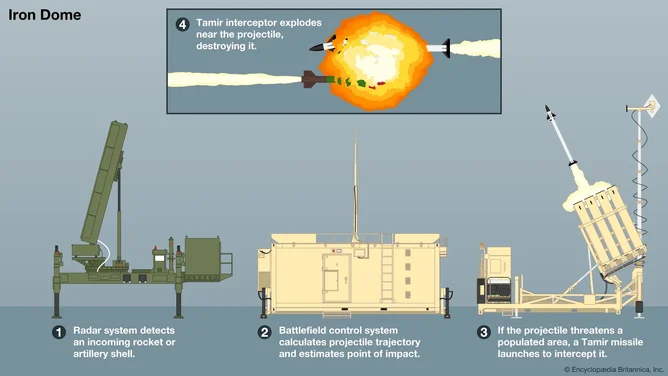
Israel’s Iron Dome may continue to intercept rockets from Gaza, but it’s the invisible battle above the clouds—against Iranian missiles streaking hundreds of kilometers across the sky—that could shape the next chapter of Middle East conflict.