
(Photo courtesy of Isabela PIO)
ISABELA CITY, Basilan – A new waterfront museum showcasing the diverse history, traditions and cultural identity of Isabela City officially opened to the public Thursday night, offering residents and tourists a destination to explore the city’s shared heritage.
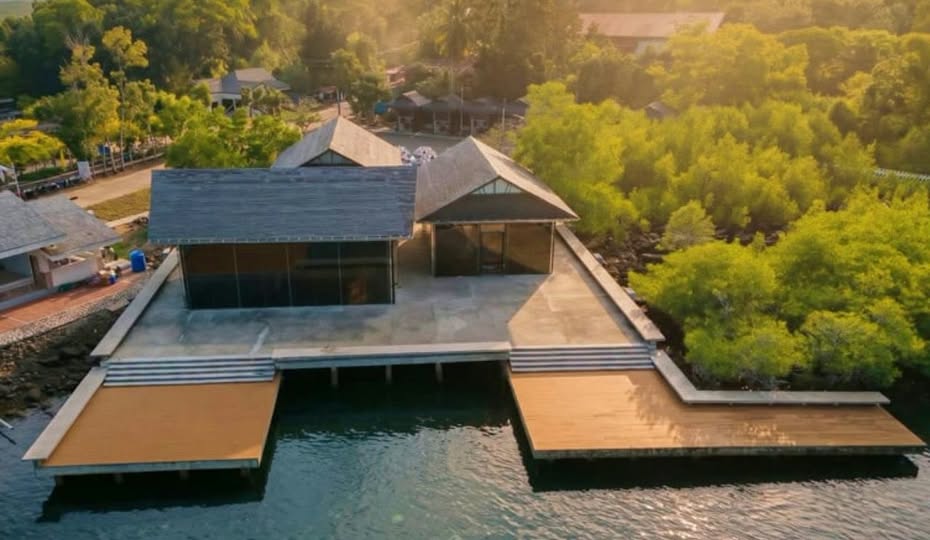
Located at the Fuego-Fuego Beachfront in Barangay Tabiawan, Museo Pantan features three glass pavilions built over water, surrounded by mangroves, coral formations and the coastal landscape.
Described by the city government as the first museum of its kind in Southeast Asia, the facility includes a beachfront terrace designed as a gathering space for families and visitors. The area can also accommodate motorboats.
Mayor Sitti Djalia Turabin-Hataman said the museum represents more than a cultural landmark, emphasizing its role in bringing together the city’s diverse communities.
“Beyond its architectural inspiration, the Pantán symbolizes gathering, connection, and peaceful interaction among different peoples,” Hataman said in a statement Friday.
The term “pantan,” used in the Yakan, Tausug and Sama languages, refers to a landing, threshold or porch-like platform connecting land and water.
According to Hataman, the museum houses historical photographs, artifacts, maps and personal accounts that document Isabela City’s history through the experiences of its residents.
With 16 languages spoken across its communities, the city reflects a distinct cultural identity shaped by generations of interaction among different ethnic and cultural groups.
“We want the story of Isabela to be in the hearts and minds of every Isabeleños, so that everyone can tell that story, especially the children,” the mayor said.
“More than a structure, this museum is deeply personal to me. It represents so much and serves as a tangible expression of everything I have learned in my 10 years of public service.”
Architecture designed around nature
Filipino architect Royal Pineda, who designed Museo Pantan, said the project was developed to complement the natural coastal environment rather than dominate it.
He explained that the structures were positioned to preserve the surrounding mangroves, rock formations and views of the sea, while allowing nearby Sama-Bajau houses to remain part of the visitor experience.
“That’s why you’ll notice that the structure avoids the mangroves and the rocks. It tries to face the beauty of the place,” Pineda told reporters Friday.
The museum’s glass walls also allow people to view exhibits from outside even when the facility is closed, extending public access to its cultural displays beyond regular visiting hours.
The Isabela City government initially allocated Php 20 million for the project, but construction costs eventually exceeded Php 40 million following design modifications and increases in material prices.
New addition to Isabela City’s tourism circuit
City Tourism Officer Claudio Ramos II said Museo Pantan would become a major addition to Isabela City’s tourism circuit, complementing its beaches, weaving centers and other cultural attractions.
“Every now and then people are asking where to go. So, this one adds to that tourism circuit aside from the beaches and weaving centers,” Ramos said.
The museum will also promote traditional products made by Indigenous Peoples, including tenun textiles and tepo mats.
Tenun refers to traditional handwoven fabric, while tepo is a woven mat made from pandan leaves, primarily crafted by Sama and Sama-Bajau communities in Isabela City and other parts of Basilan.
Local officials said the museum is intended to preserve the city’s historical records, promote cultural appreciation and provide younger generations with a deeper understanding of their heritage.
Through its exhibits and coastal design, Museo Pantan aims to highlight the shared history of Isabela City’s communities while strengthening the city’s position as a cultural tourism destination in Basilan.