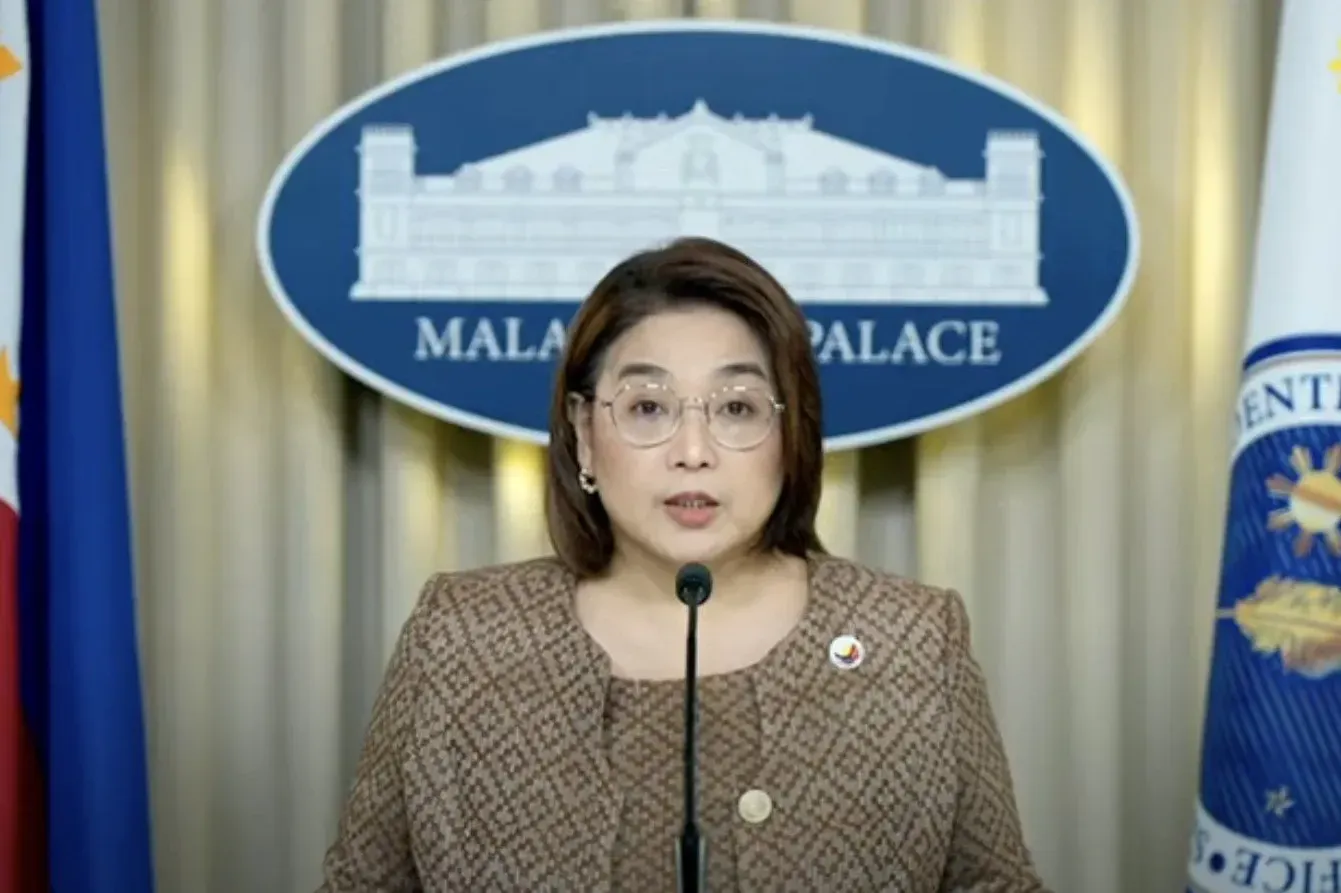

More than 200 members of the House of Representatives voted to impeach Vice President Sara Duterte on Wednesday.
The House of Representatives has gathered enough signatures to move forward with the impeachment of Vice President Sara Duterte, marking a significant political development ahead of the national election season.
As of Wednesday, February 5, House Secretary General Reginald Velasco confirmed that at least 215 lawmakers have signed the latest impeachment complaint against Duterte, surpassing the required one-third of the House membership (102 lawmakers) to fast-track the process to the Senate for trial.
The impeachment drive follows months of congressional scrutiny into Duterte’s use of public funds as Vice President and former Education Secretary before she resigned from the latter role in June 2024. Lawmakers previously filed three separate impeachment complaints in December 2024, citing allegations of betrayal of public trust and culpable violation of the Constitution over anomalies in her office’s expenditures.
While Speaker Martin Romualdez has yet to make a formal announcement, the momentum behind the impeachment effort has intensified, with key political figures engaging in closed-door meetings on Wednesday at Romualdez Hall. Several lawmakers described the gathering as a “party consultation,” while others noted that it appeared to be a strategic caucus to solidify support for the move against Duterte.
Next step
Under the 1987 Constitution, an impeachment complaint must pass through the House of Representatives before being transmitted to the Senate for trial. There are two possible routes for the case to progress:
- Committee Review Process – A verified impeachment complaint is submitted to the House Speaker, who then forwards it to the House Committee on Rules and Committee on Justice for deliberation. If approved, it proceeds to the plenary for voting.
- Fast-Track Route – If at least one-third of all House members sign the complaint, it bypasses committee hearings. It is automatically transmitted to the Senate for trial, expediting the process.
Given the current number of signatures, the House can immediately elevate the impeachment case to the Senate, where senators will decide whether to indict Duterte formally.
A deepening political divide
The impeachment effort signals a growing rift between President Ferdinand Marcos Jr.’s administration and the Duterte camp. While Marcos has previously stated that he is against Duterte’s impeachment, the overwhelming legislative support for the complaint suggests significant political maneuvering within the House.
Meanwhile, public reaction remains divided. Duterte’s allies dismiss the move as a politically motivated attack, while opposition lawmakers insist that accountability must be upheld.
Duterte has not issued an official response to the impeachment developments, and the total number of signatories may fluctuate as final deliberations occur. If the complaint reaches the Senate for trial, it will mark a historic turning point in Philippine politics, with potential ramifications for the 2025 election cycle and the broader political landscape.