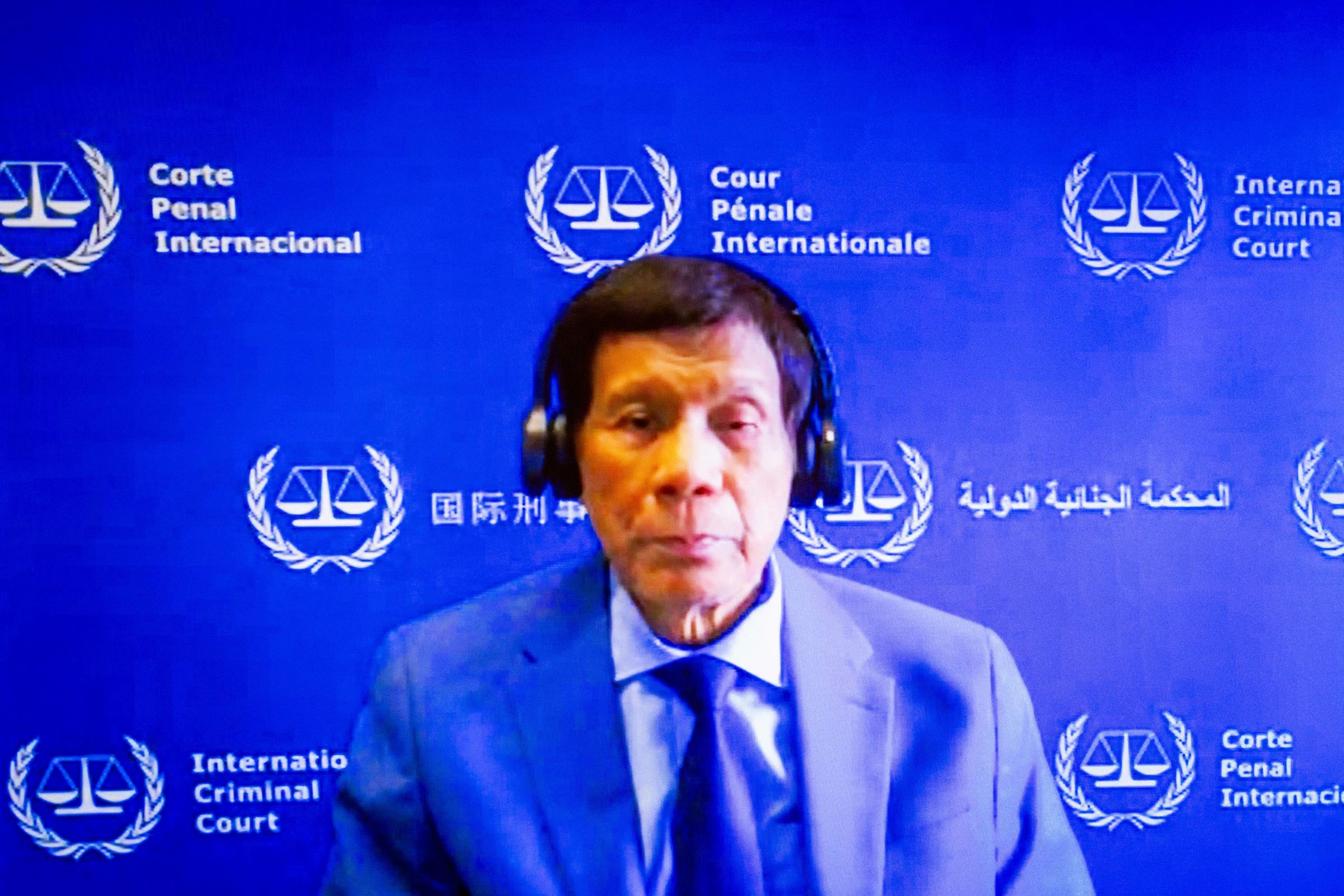

The legal battle surrounding former Philippine President Rodrigo Duterte’s request for interim release has taken a dramatic turn, as prosecutors at the International Criminal Court (ICC) challenge what they call a pattern of deception and volatility from the defense.
What was initially presented by Duterte’s legal counsel as a mutual understanding with prosecutors over his potential temporary release is now being labeled a misrepresentation. ICC prosecutors, in a strongly worded opposition, clarified that no such agreement was made—and that the defense had allegedly altered key details in their formal request.
“Clearly, the ICC is getting a real taste of how misinformation plays into the Duterte camp’s legal strategy,” said Atty. Kristina Conti, legal representative for the victims of Duterte’s bloody war on drugs. “They’re learning firsthand what we’ve known all along: that there’s a tendency to twist facts in favor of the narrative they want to sell.”
Conti, who is accredited as an assistant to counsel at the ICC but represents a separate legal interest from the Office of the Prosecutor, pointed to a particularly striking detail: the defense team allegedly switched the proposed host country for Duterte’s temporary release—without informing the prosecution. “It’s a classic case of misdirection. It’s like agreeing to one thing and then filing something else entirely in court. In Filipino terms, ino-onse kami,” Conti said, implying that the defense pulled a bait-and-switch.
Behavior under scrutiny
The prosecution’s opposition to Duterte’s release goes beyond procedural discrepancies. They also referenced Duterte’s previous inflammatory remarks against the ICC and cited the erratic behavior of those close to him, including his longtime partner, Honeylet Avanceña.
Avanceña made headlines during Duterte’s arrest when she allegedly struck a police officer in protest. Prosecutors cited the incident as part of their argument against temporary liberty, suggesting such actions indicate a likelihood that Duterte may flee or refuse to comply with court proceedings if released.
“The court cannot ignore these actions. They’re not just emotional outbursts—they’re red flags for potential defiance,” said Conti.
What’s next?
The ICC’s pre-trial chamber is expected to rule on Duterte’s interim release request within the next two weeks, according to Conti. The chamber will weigh not only the legal merits of the defense’s request but also the broader implications of allowing a high-profile defendant—facing accusations of crimes against humanity—to temporarily walk free.
Legal analysts note that the Duterte case is shaping up to be a landmark test for the ICC, both in terms of jurisdiction over non-member states and in handling politically charged figures with substantial domestic influence.
“The international community is watching closely,” Conti added. “This isn’t just about Duterte. It’s about whether the ICC can truly hold the powerful accountable—no matter how loud their disinformation campaigns may be.”
As the proceedings continue, observers expect the courtroom drama to escalate further—potentially setting the tone for how the ICC deals with future attempts to evade accountability through legal loopholes, public spectacle, or media manipulation.