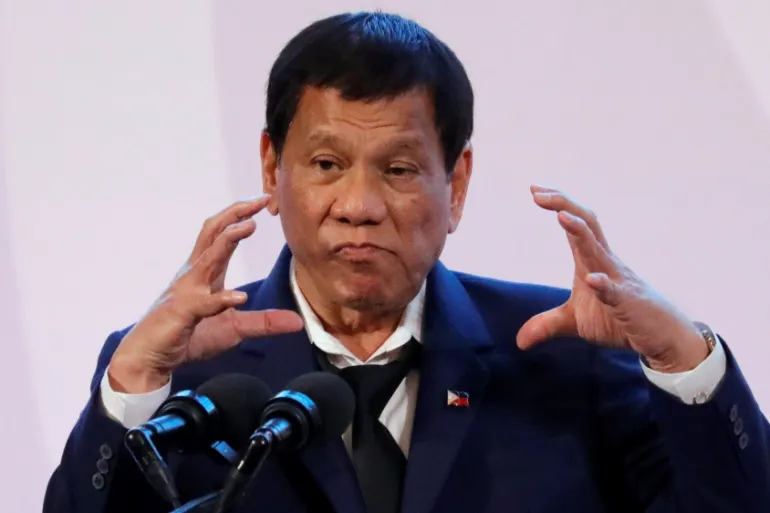

The International Criminal Court’s (ICC) Office of the Prosecutor has flatly rejected former Philippine President Rodrigo Duterte’s attempt to indefinitely halt the proceedings against him, warning that his defense cannot derail the case by claiming unverified medical incapacity.
In a filing dated September 11, the prosecution underscored that the bid to adjourn proceedings “indefinitely” has no legal basis, stressing that the defense’s medical reports and conclusions are “not accepted by the prosecution” and must be independently scrutinized. The case stems from alleged crimes against humanity tied to thousands of drug war killings during Duterte’s presidency.
“The prosecution is in the process of engaging its own expert(s) to assist in determining Duterte’s fitness to participate in the pre-trial proceedings and to stand trial,” prosecutors said, making clear that the ICC will not allow untested claims of cognitive decline to permanently stall the case.
No open-ended pause
While acknowledging that a temporary pause could be warranted to properly evaluate Duterte’s health, the prosecution firmly opposed any indefinite suspension. It urged ICC Pre-Trial Chamber I to limit any delay strictly to the time needed to obtain independent medical findings and issue a ruling on Duterte’s fitness to stand trial.
They also pushed back against the defense’s alternative request to hold a separate status conference on the matter, saying this would only “further delay the adjudication” and risk pushing the confirmation of charges hearing beyond 2025. Instead, they proposed a fast-tracked schedule so the chamber can resolve the fitness issue and proceed toward trial without unnecessary detours.
Prosecution wants independent medical evaluation
The prosecution petitioned the chamber to order additional medical examinations by neutral experts, arguing that the defense’s submissions merely contain “indications” and do not prove Duterte’s alleged incapacity.
“The Defence Reports raise concerns, but they are not sufficient on their own to form the basis of the chamber’s decision,” prosecutors stressed, adding that any assessment should also explore measures or adjustments to facilitate Duterte’s participation if needed—rather than ending proceedings altogether.
Duterte camp insists on permanent adjournment
Duterte’s lawyer, Nicholas Kaufman, earlier claimed the former president suffers from severe cognitive impairment affecting memory, reasoning, orientation, and daily executive functioning—allegedly leaving him unable to recall even family members or his legal team. Kaufman argued that this condition is permanent and “will not improve,” making a fair trial impossible under Article 67(1) of the Rome Statute.
“Mr. Duterte is not fit to stand trial… the Pre-Trial Chamber must adjourn all legal proceedings in his case indefinitely,” Kaufman told the chamber.
ICC stands firm as hearing reset looms
|The ICC had already postponed the opening of Duterte’s confirmation of charges hearing, originally set for September 23, and will issue a new schedule once the chamber resolves the fitness dispute.
For the prosecution, the message is clear: the court will not allow Duterte’s camp to indefinitely freeze a landmark case over unverified claims. By demanding its own medical assessment and opposing any open-ended delay, the ICC is signaling it intends to push the case forward — and that accountability cannot be postponed indefinitely.
If you want, I can also create a