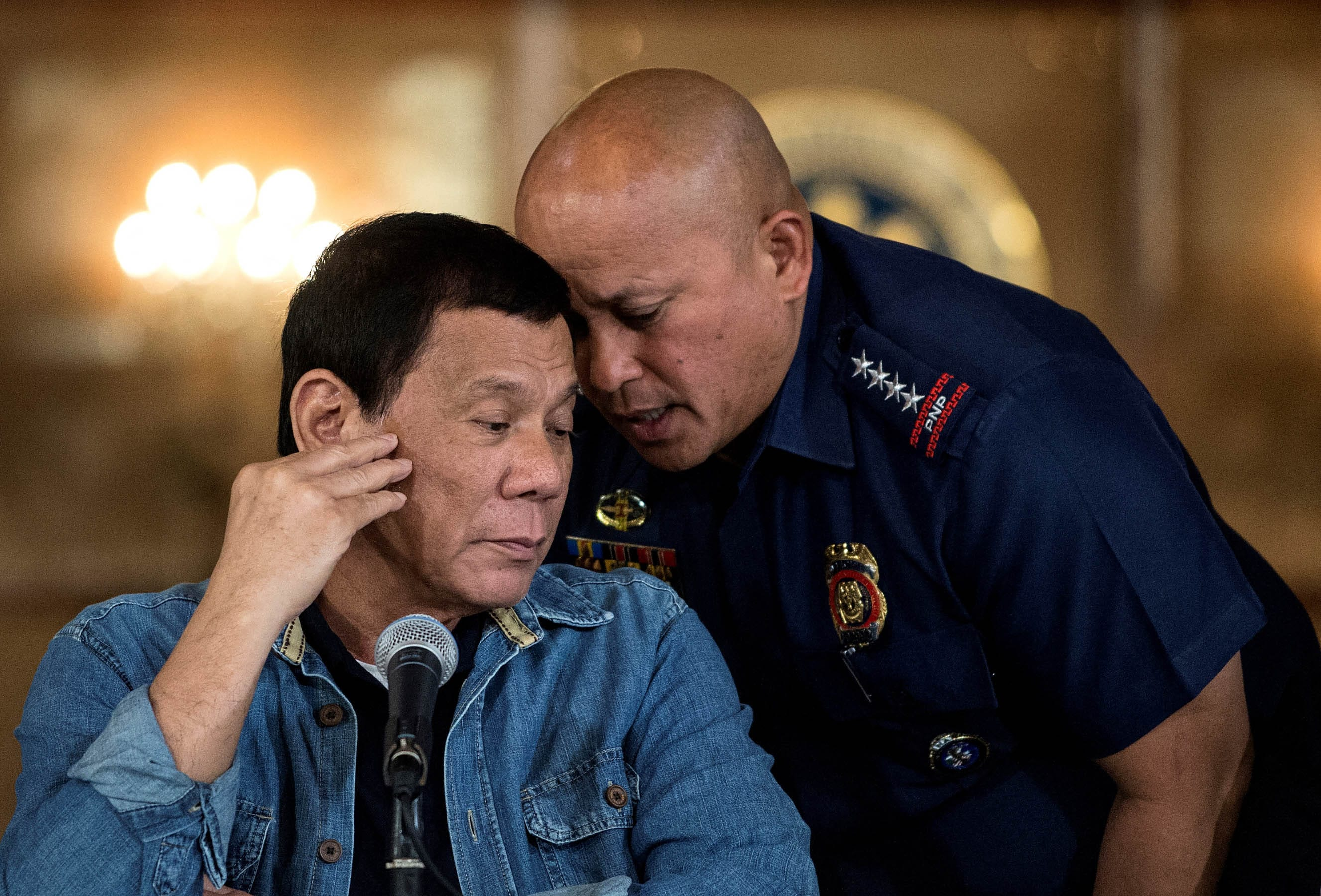

International Criminal Court (ICC) President Tomoko Akane has called on Judges María del Socorro Flores Liera and Reine Adélaïde Sophie Alapini-Gansou to formally respond to a petition challenging their impartiality. Filed on May 9 by Duterte’s counsel, Nicholas Kaufman, the plea aims to disqualify the judges from ruling on whether the ICC has jurisdiction over Duterte’s case.
The judges have until May 22 to provide their comments on the disqualification request—a procedural right under the Rome Statute, the founding treaty of the ICC. The Office of the Prosecutor must also submit its response by the same deadline.
This motion marks a strategic escalation from earlier efforts, where the defense had merely sought partial recusals. Now, Kaufman is pushing for the judges’ full disqualification, suggesting that their continued involvement could prejudice the outcome of a jurisdictional challenge that could make or break the case.
Duterte, who led a controversial and deadly anti-drug campaign during his 2016–2022 term, was arrested in March and is currently held at Scheveningen Prison in The Hague. He faces accusations of crimes against humanity tied to thousands of drug-related killings.
If the defense successfully argues that the ICC has no jurisdiction over the Philippines—especially given the country’s withdrawal from the court in 2019—it could halt the case entirely before charges are formally confirmed at a hearing set for September 23.
Judge Akane, elected as ICC President in March 2024, oversees the Court’s administration alongside two vice-presidents. While her office does not interfere with prosecutorial decisions, it plays a critical role in managing court procedures and maintaining judicial fairness.
Kaufman remains confident in the defense’s strategy. “If jurisdiction is off the table, then so is the case,” he suggested, pointing to a legal path that could spare Duterte from a high-profile international trial.
The coming weeks will determine whether the court’s internal mechanisms uphold the current panel—or open the door to a dramatic shift in how this historic case unfolds.