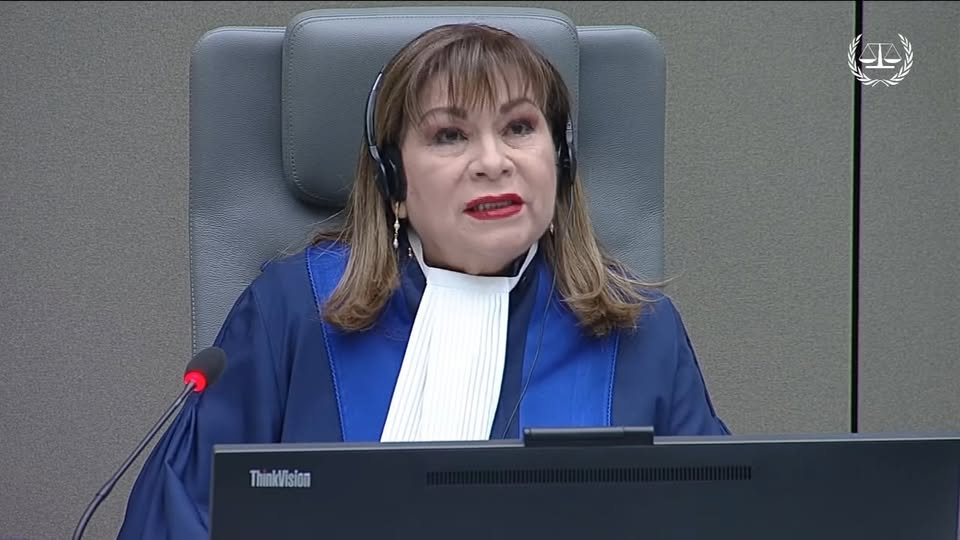

The ICC Appeals Chamber has also dismissed the Duterte camp’s second ground of appeal seeking interim release, marking another major setback in their bid.
The International Criminal Court’s Appeals Chamber on Friday dealt another major setback to former Philippine president Rodrigo Duterte, affirming a previous ruling that he must remain in detention in The Hague as proceedings move closer to trial. The judgment, delivered in open court by presiding judge Luz Del Carmen Ibañez, rejected Duterte’s appeal seeking conditional liberty while he awaits the next phase of the case involving alleged crimes against humanity linked to his brutal anti-drug campaign.
The ruling effectively confirms the earlier findings of Pre-Trial Chamber I, which in September determined that Duterte’s continued detention was necessary to guarantee his presence at trial and to prevent any potential disruption to witnesses or the ongoing investigation.
Judges at the time noted lingering concerns that Duterte, if released even under restrictions, could interfere with the case, influence testimony, or attempt to evade accountability. The chamber also referred to remarks made by Duterte’s family shortly after his March arrest, describing it as “kidnapping,” which the judges interpreted as evidence of a refusal to submit to ICC authority and a readiness among relatives to help him escape prosecution.
During Friday’s hearing, lawyer Nicholas Kaufman appeared on Duterte’s behalf, marking his first physical appearance before the chamber as counsel. Duterte, who earlier waived his right to attend, did not participate and remains held at the Scheveningen detention facility, where he has spent nearly nine months following his surrender by the Marcos administration.
Kaufman had previously said that even if the appeal failed, the defense could continue to seek periodic review of Duterte’s detention under Rule 118 of the ICC, which mandates a fresh assessment of custody every 120 days and at least one substantive hearing annually.
The prospect of renewed appeals, however, is drawing strong resistance from groups representing drug war victims. Human rights lawyer Gilbert Andres, who assists several complainants, said families that lost loved ones in police operations or vigilante-style killings would continue to oppose any attempt to secure Duterte’s release, even temporarily. For them, Andres noted, Duterte’s detention symbolizes the first real step toward accountability after years of impunity.
The former president first sought interim release on June 12 but later moved to postpone the hearing. His team revived the bid in August, prompting prosecutors and victim representatives to argue that Duterte had shown no genuine commitment to cooperate and remained a high flight risk. Judges agreed, stressing that the gravity of the allegations, the scale of killings, and Duterte’s past public statements attacking the ICC justified keeping him in custody as the proceedings advance.
Duterte is accused of crimes against humanity of murder in connection with thousands of drug war deaths from 2016 to 2022, as well as earlier killings attributed to the so-called Davao Death Squad when he was mayor. The Philippine government acknowledges more than 6,000 fatalities in anti-drug operations, but human rights monitors estimate the true toll could reach 30,000, including victims of alleged extrajudicial executions.
With Friday’s decision, the Appeals Chamber has effectively closed the door on Duterte’s latest attempt to walk free before trial. His legal team is now expected to prepare for the coming phases of the ICC proceedings, while victims’ families await what could become the first international criminal trial involving a former Philippine head of state.