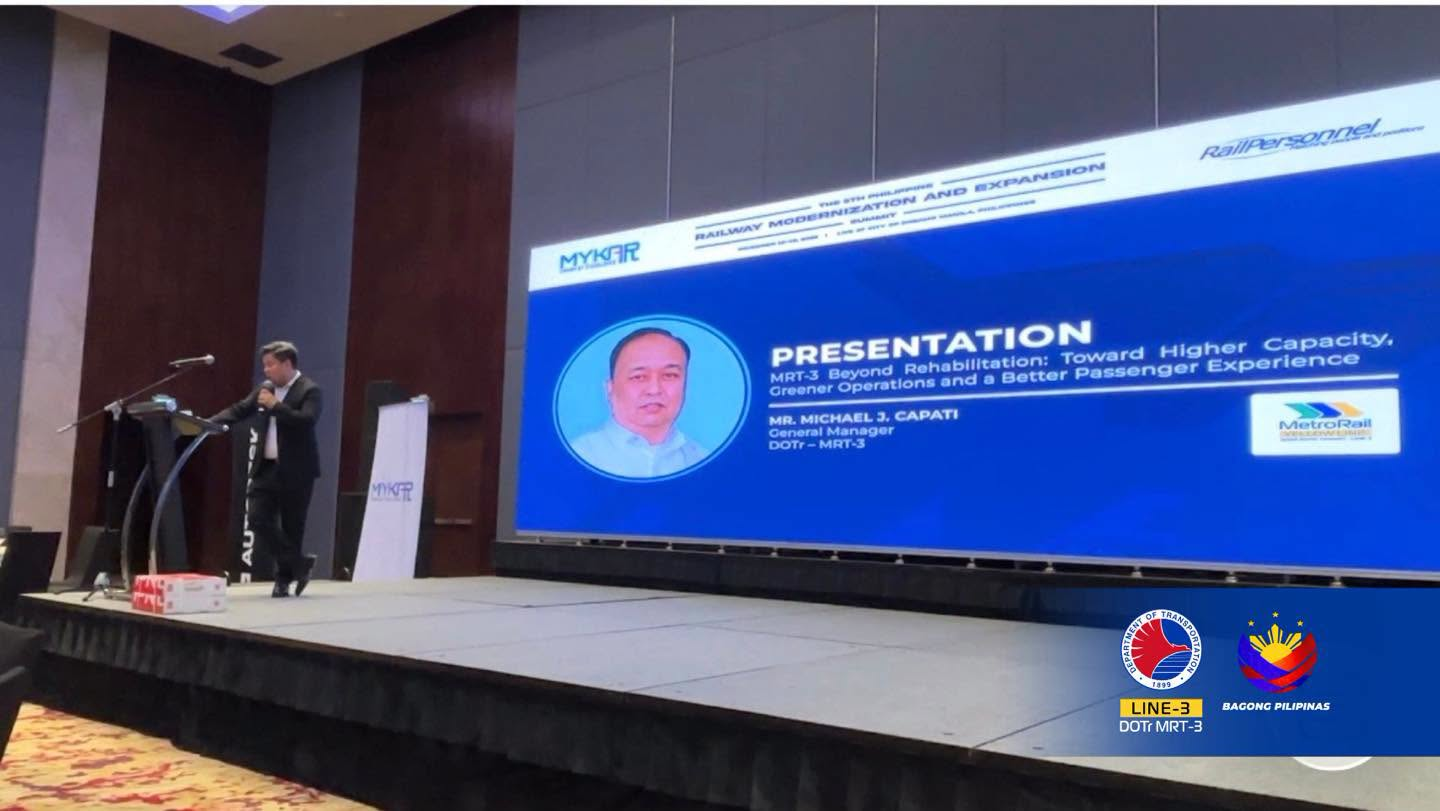
COA-ICFAO auditor Xylene Mae Del Campo testifies during the impeachment trial of Vice President Sara Duterte on Aug. 11, detailing audit findings on the Office of the Vice President’s confidential fund transactions.
Familiar political surnames surfaced during Vice President Sara Duterte’s impeachment trial as prosecutors went through selected acknowledgment receipts linked to the Office of the Vice President’s confidential funds.
Prosecution counsel Lorna Kapunan called attention to names resembling those of current and former public officials while questioning COA-ICFAO auditor Xylene Mae Del Campo.
One receipt carried the name Beth Revilla and reflected Php 50,000 for the purchase of information. Kapunan jokingly asked whether the recipient might be related to former Sen. Bong Revilla.
Del Campo clarified that the transaction itself was not among those disallowed because the purchase of information was an allowable confidential expense.
Another receipt identified Clarisse Hontiveros as the recipient of Php 500,000 for supplies, materials or equipment for confidential operations, described further as medical and food aid. Del Campo said the transaction was disallowed because COA could not establish from the submitted documents whether the amount had actually been used for that purpose.
Kapunan then raised a receipt bearing the name Jose Diokno Jr. and asked whether the person might be related to one of the House prosecutors. Asked whether she had verified any such relationship, Del Campo answered: “Hindi po.”
A separate acknowledgment receipt carried the name Diane Maple Lapid. The document reflected Php 150,000 for the purchase or rental of supplies, materials and equipment for confidential operations on Feb. 17, 2023.
Other unusual or familiar-sounding names also came up during the examination, prompting Kapunan to ask why COA had not verified the identities behind the receipts.
“Sa ICFAO po kasi ang ginagawa namin is compliance audit po,” Del Campo explained.
She added that auditors focused on whether liquidation documents complied with the governing joint circular and whether the supporting records were complete and proper.
No evidence was presented during the testimony establishing that the recipients were related to the politicians or public figures whose surnames they shared. The unanswered issue is whether the identities and transactions behind the receipts can be independently substantiated.