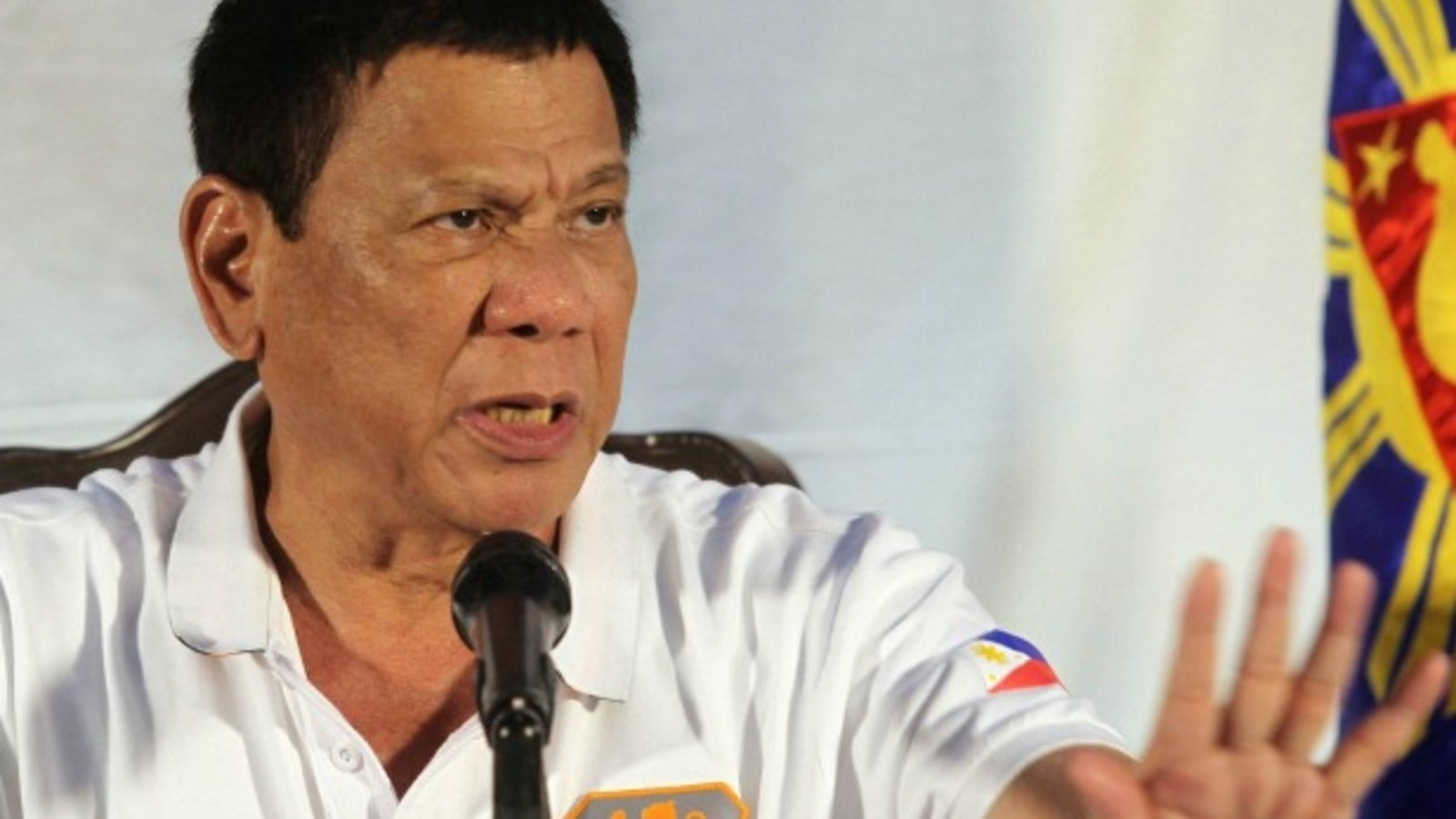

The Philippine government reaffirmed on Thursday that it will not cooperate with the International Criminal Court (ICC), maintaining its long-standing position that the tribunal has no jurisdiction over the country. This statement comes in the wake of recent developments regarding former President Rodrigo Duterte, who is currently detained in The Hague in connection with crimes against humanity charges.
Malacañang’s response follows a statement by the ICC indicating that the Philippine government must comply with specific technical requirements before any petition for Duterte’s temporary release can be considered. Despite this, government officials reiterated their refusal to engage with the international body.
“Accepting those terms implies recognizing ICC jurisdiction,” said Palace Press Officer Undersecretary Claire Castro during a briefing. “The Duterte family has sought relief from the Supreme Court, urging the government not to cooperate. If we maintain that position, then even the ICC’s requests or procedural steps won’t be acknowledged.”
Castro warned that cooperating with the ICC on Duterte’s interim release could open the door to broader legal implications, including compliance with potential asset freeze orders from the court.
“It’s a slippery slope,” she explained. “Once we cooperate, we may be compelled to respond to further actions by the ICC, such as tracing and freezing the Duterte family’s assets—whether declared or hidden.”
She emphasized that although such consequences remain speculative, the administration’s position remains firm. “As of now, we do not recognize ICC jurisdiction, and we will act accordingly.”
Former President Duterte was arrested on March 11 upon his return to the Philippines from Hong Kong. The arrest was carried out at the request of the ICC, which has been investigating Duterte’s controversial anti-drug campaign—a hallmark of his presidency that has drawn widespread condemnation for alleged human rights abuses.
According to the ICC’s warrant, Duterte, during his tenure, allegedly established and supported armed groups responsible for carrying out extrajudicial killings targeting suspected drug offenders.
Duterte was immediately transferred to The Hague following his arrest. On March 14, he appeared before ICC judges via video link. A formal hearing to confirm the charges against him is scheduled for September 25.
Despite international pressure and legal proceedings unfolding at the ICC, the Philippine government remains steadfast in its refusal to recognize or participate in the tribunal’s processes—reaffirming a national policy that has remained consistent since the country’s withdrawal from the Rome Statute in 2019.