
(Photo courtesy of PNA)
TOKYO – Beneath Tokyo’s towering skyscrapers, bustling streets and technological innovations lies a rich cultural heritage that continues to shape the Japanese capital. From centuries-old culinary traditions to masterfully crafted folding screens and innovative umbrellas, the spirit of Edo remains alive, evolving with modern lifestyles while attracting growing international interest.
The recently reopened Edo-Tokyo Museum, following an extensive renovation, offers visitors an immersive journey through the city’s remarkable transformation.
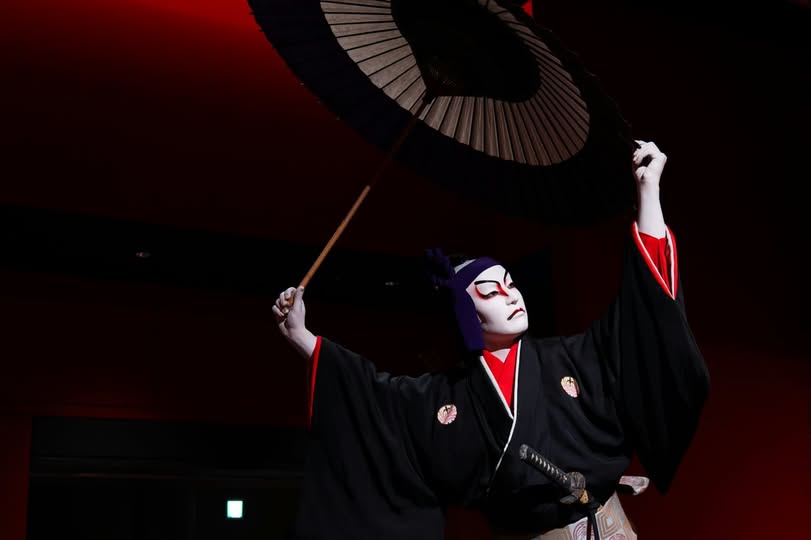
Featuring enhanced large-scale models, projections, sound effects and interactive displays, the museum allows guests to cross a life-size replica of the Nihonbashi Bridge and explore detailed recreations of the Nakamura-za kabuki theater, traditional homes and street food stalls.
Rather than simply displaying historical artifacts, the redesigned museum recreates environments that bring Tokyo’s past to life.
Its Edo and Tokyo zones trace the capital’s evolution from the Tokugawa shogunate through modernization, natural disasters, war and reconstruction.
To accommodate international visitors, the museum offers smartphone-based audio guides in 13 languages, complemented by multilingual interactive touch panels.
Among its most fascinating exhibits are those depicting everyday urban life during the Edo period, highlighting compact residences, communal facilities, neighborhood relationships and sophisticated water infrastructure.
A newly introduced interactive model also illustrates how food and essential commodities were transported into the growing city.
The addition of a traditional tempura stall alongside existing sushi and soba displays highlights how some of Japan’s most internationally celebrated dishes began as everyday street food.
Rediscovering the roots of Japanese cuisine
Long before Japanese cuisine gained worldwide recognition, the foundations of washoku, or traditional Japanese food, were being established in the bustling communities of Edo between the 17th and 19th centuries.
Historical novelist Kuruma Ukiyo, who heads the Edo Culinary Culture Research Institute, has dedicated herself to preserving and introducing this culinary heritage to modern audiences.
Her fascination with Edo cuisine began while helping edit a book about the historical period. Inspired by recipes discovered in centuries-old literature, she started recreating traditional dishes and documenting her culinary experiments online.
What began as a daily blog eventually grew into an extensive collection of more than 1,000 recreated dishes.
Among her remarkable achievements was preparing all 100 recipes featured in Tofu Hyakuchin, a bestselling Edo-period cookbook devoted entirely to tofu-based dishes.
Working from her recreated Edo-style kitchen and studio, Kuruma continues to introduce international audiences to the origins of Japanese cuisine.
As global appreciation for washoku grows, her research offers a deeper understanding of familiar favorites such as sushi, grilled eel, tempura and soba noodles, many of which developed into recognizable forms during the Edo era.
Keeping the art of Japanese folding screens alive
Tokyo’s cultural heritage extends beyond its culinary traditions to centuries-old craftsmanship, including the intricate art of byobu, or traditional Japanese folding screens.
Often associated with elegant gold-leaf wedding backdrops and delicate ink paintings, these decorative screens remain an enduring expression of Japanese artistry.
Kataoka Byoubu, Tokyo’s only shop dedicated exclusively to the craft, is working to ensure that the tradition remains relevant to contemporary audiences.
Third-generation owner Kataoka Koto combines traditional craftsmanship with modern artistic influences drawn from his passion for hip-hop DJing, manga and anime.
His innovative approach introduces unconventional designs while preserving techniques handed down through generations.
International demand has also become increasingly important, with overseas customers accounting for approximately 30 percent of the shop’s sales in recent years.
Foreign buyers have introduced fresh perspectives on how folding screens can be incorporated into modern interiors, including displaying them as prominent wall art in living spaces.
Through this exchange of ideas, a centuries-old Japanese craft continues to find new audiences and applications beyond its traditional setting.
Reinventing the humble umbrella
Tokyo’s craftsmanship is equally evident in the evolution of an everyday household item: the transparent umbrella.
Established in 1721 during the Edo period, White Rose began as a tobacco wholesaler before eventually transitioning into the rainwear industry.
Today, the company is led by 10th-generation owner Sudo Tsukasa, whose family business demonstrates how traditional enterprises can adapt to changing consumer needs.
Following World War II, Sudo’s father encountered vinyl tablecloth material introduced from the United States. Recognizing its potential, he began developing waterproof vinyl umbrellas that offered advantages over conventional cotton umbrellas, particularly in durability against water exposure and resistance to fading.
The innovation eventually gained widespread popularity, making transparent umbrellas a familiar sight throughout Japan.
Unlike inexpensive, disposable alternatives, however, White Rose produces umbrellas designed for long-term use, offering repair services and replacement components to extend their lifespan.
The company’s philosophy reflects the enduring principles of Edo craftsmanship: continuous improvement, resourcefulness, careful maintenance and minimizing waste.
White Rose has also been recognized by the Edo Tokyo Kirari Project, an initiative promoting distinctive Tokyo brands that combine traditional excellence with contemporary innovation under the concept of “Old meets New.”
Tokyo through the eyes of a global cultural ambassador
For French novelist and luxury industry executive Richard Collasse, Tokyo’s enduring appeal lies in its ability to preserve a distinctive cultural identity while embracing change.
Having held leadership positions at Givenchy, Chanel and Tasaki, Collasse has spent decades immersed in Japanese culture, developing a profound appreciation for its aesthetics, traditions and community life.
He has published 12 books in French and Japanese, many inspired by his experiences in the country.
Since the late 1970s, Collasse has participated in local customs, including hinoyoujin processions, a neighborhood tradition dating back to the Edo period that promotes awareness of fire prevention.
Appointed as a Tokyo Tourism Ambassador in 2023, he advocates preserving cultural traditions without reducing them to commercial attractions.
For Collasse, Tokyo possesses a unique story that deserves to be experienced through its people, neighborhoods, customs and everyday practices.
Where history meets the future
From traditional street food and handcrafted folding screens to innovative rainwear and centuries-old community customs, Tokyo demonstrates how cultural heritage can remain relevant in a rapidly changing world.
Rather than existing solely within museum walls, the legacy of Edo continues to flourish through artisans, entrepreneurs, researchers and communities committed to preserving their traditions while embracing new possibilities.
For visitors exploring the Japanese capital, Tokyo offers more than modern architecture, shopping and technological wonders. It provides an opportunity to discover a living cultural heritage that connects generations, bridges borders and continues to inspire the world.