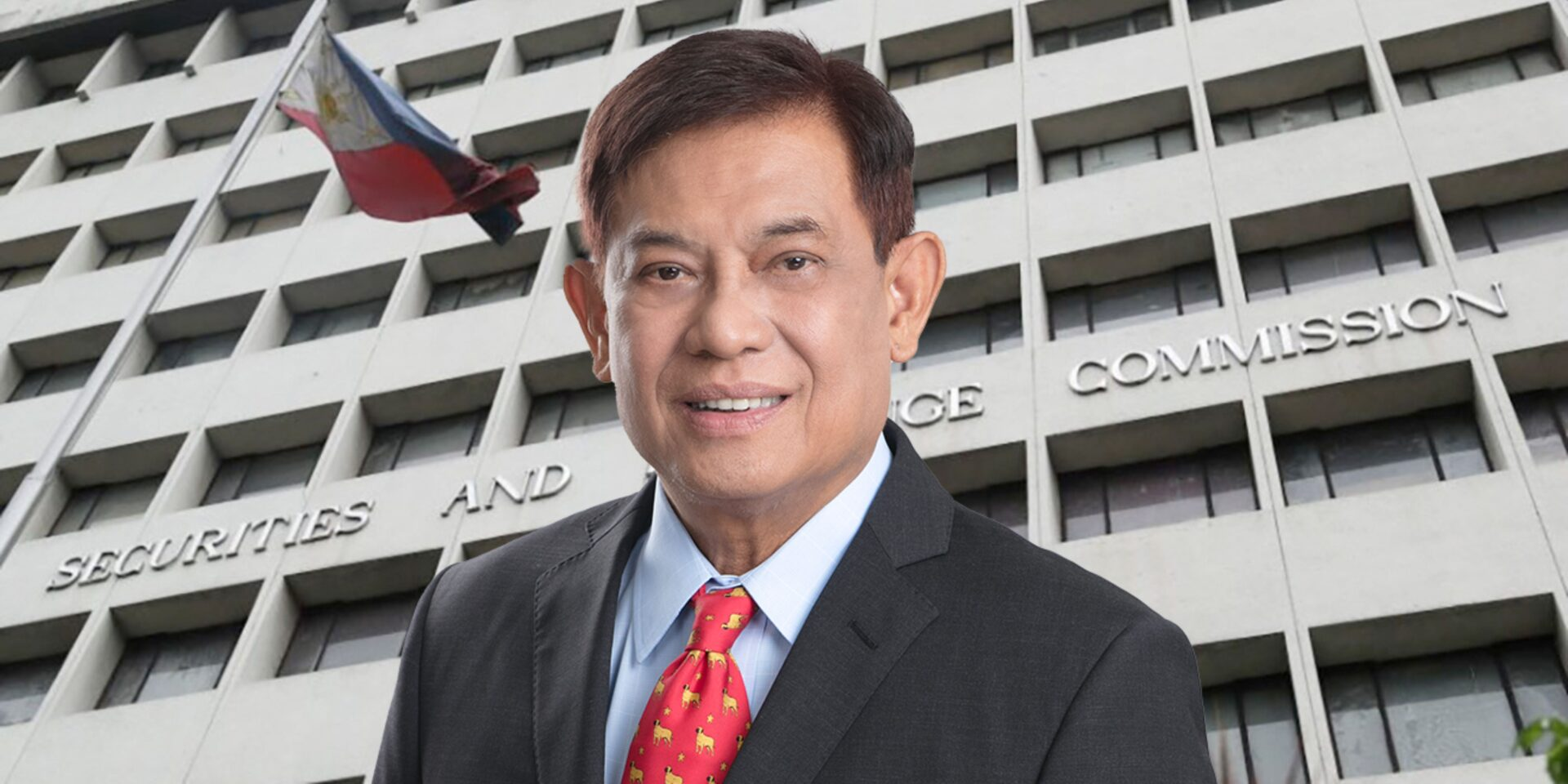

The Philippine stock market has shed P1.7 trillion in just three weeks following the eruption of a major corruption scandal involving flood control projects, according to the Securities and Exchange Commission (SEC).
SEC Chair Francis Lim said the scandal has deeply shaken investor confidence, describing the financial damage as a consequence of moral failure in governance. “It’s a stark reminder that corruption is a weapon of mass wealth destruction,” Lim said during his speech at the annual conference of the Financial Executives Institute of the Philippines (Finex). “When trust breaks down, capital dries up, and everyone—government, business, and the public—pays the price.”
The SEC chief said the market’s performance reflects a crisis of confidence that threatens to drag the broader economy, with investors and fund managers reassessing the country’s risk profile. He noted that the selloffs that hit the local bourse in recent weeks were not merely reactions to global trends but to domestic governance issues, particularly the allegations of anomalies and kickbacks in billion-peso infrastructure programs.
Lim added that the erosion of trust has tangible economic costs, warning that the country’s growth prospects could weaken further if integrity in public service is not restored. “Markets rely on credibility, not just policies,” he said. “Once credibility collapses, no stimulus can rebuild what trust has destroyed.”
As the agency continues to monitor the situation, Lim emphasized that restoring transparency must be at the center of government efforts. The SEC, which is part of the Anti-Money Laundering Council, has expressed its support for lifting the country’s long-standing bank secrecy law to help investigators trace illicit funds connected to the flood control projects.
He said, however, that any move to lift the law must be carefully deliberated by Congress to determine whether a full repeal or selective exemptions would best balance transparency with financial privacy.
Economists estimate that the P1.7 trillion loss represents about 6 percent of the total market capitalization of the Philippine Stock Exchange, effectively wiping out months of capital gains and market recovery. For Lim, the message is clear: corruption is not only a political issue but a direct economic threat. “Confidence is our most valuable currency,” he said. “And right now, that currency is running dangerously low.”