
As the Philippines looks ahead to 2026, the business community is pressing for a sharper focus on reforms that convert the country’s economic strengths into long-term, inclusive growth.
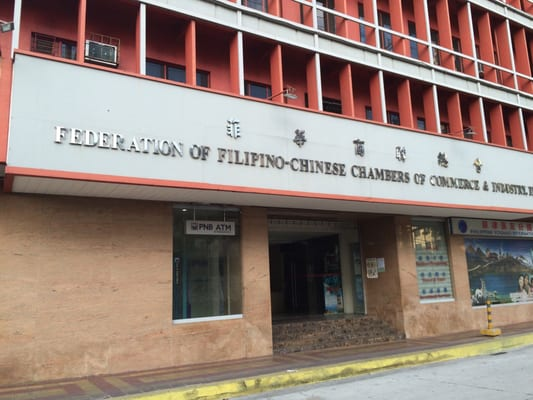
The Federation of Filipino Chinese Chambers of Commerce and Industry said the coming year must be defined by decisive action rather than incremental fixes, warning that resilience alone will no longer be enough in a more volatile global environment.
FFCCCII president Victor Lim said the country enters 2026 with clear advantages, including a young workforce, strong consumer demand, and a deeply rooted entrepreneurial culture.
However, he stressed that these fundamentals risk being blunted by governance gaps, political fragmentation, and the growing economic costs of climate change if reforms are not accelerated.
According to Lim, sustained growth will depend on disciplined coordination across government, business, and civil society, anchored on clear and consistent policy execution. He argued that investor confidence is increasingly shaped by institutional credibility, predictability of rules, and the ability of the state to enforce reforms beyond political cycles.
The group identified governance as the non-negotiable foundation of growth, renewing its call for the establishment of an independent anti-corruption body, the full implementation of a Freedom of Information regime, and wider use of advanced digital technologies in public services.
Lim said these measures are critical to reducing leakages, restoring trust, and ensuring that reforms translate into measurable economic gains.
FFCCCII also emphasized the need to aggressively streamline business processes through digitization, noting that bureaucratic friction and regulatory uncertainty continue to weigh heavily on micro, small, and medium enterprises.
Lim said lowering compliance costs and improving transparency would have an immediate impact on investment inflows, job creation, and regional development, particularly outside major urban centers.
Beyond domestic reforms, the group called for a pragmatic and independent foreign policy that keeps the Philippines economically engaged with all major global partners. Lim said future growth must be inclusive and resilient, grounded in fair competition, environmental protection, and social justice, rather than short-term expansion that deepens structural vulnerabilities.
The business federation reiterated its commitment to supporting structural reforms that address fiscal inefficiencies, strengthen competition policy, and empower productive sectors of the economy. Lim said recurring crises should be treated as opportunities to enact defining reforms that enhance competitiveness and broaden participation in growth.
The policy push comes as FFCCCII continues to deepen regional engagement. The group recently met with Jing Quan to explore expanded trade and tourism cooperation ahead of ASEAN 2026, positioning the Philippines as a more active player in regional economic integration.
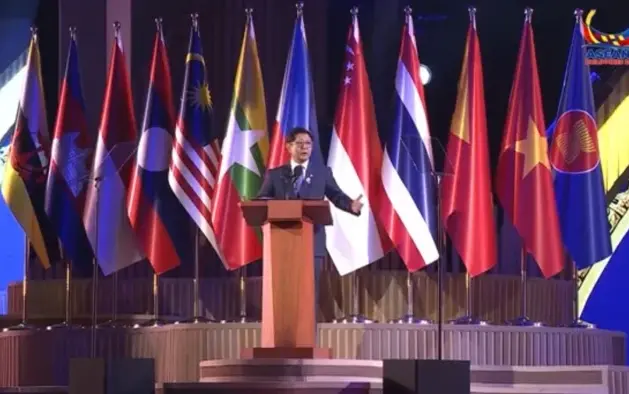
Earlier, Ferdinand Marcos Jr. also urged FFCCCII to help guide the local business community and contribute to building the Philippines’ reputation as a sustainable and dependable economic partner.
For the federation, the message for 2026 is clear: without firm political will and credible institutions, the country’s potential will remain underutilized, but with reform-driven leadership, inclusive growth can move from aspiration to reality.