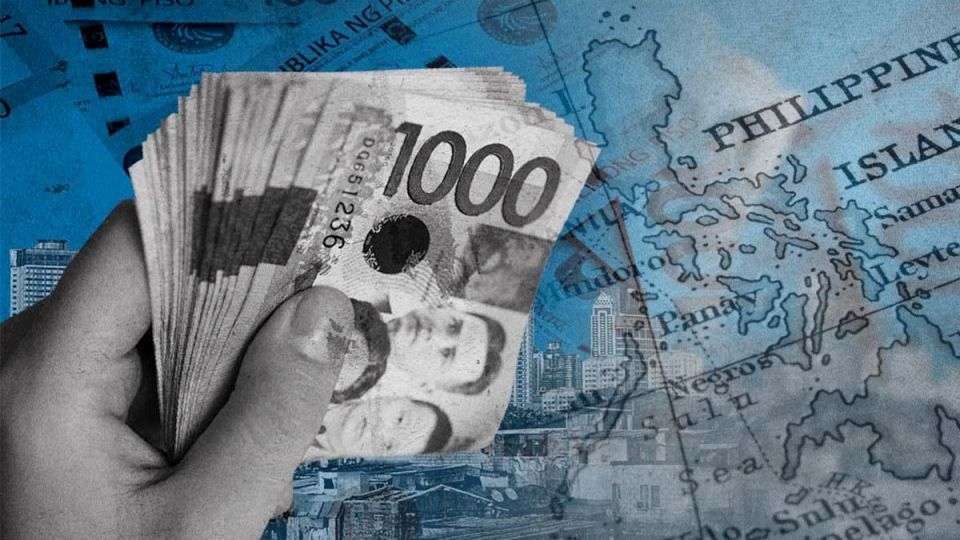

The Philippines closed 2025 with a wider but manageable balance of payments deficit, underscoring persistent external pressures even as the country’s reserve buffer remained solid and ample by international standards.
Data released by the Bangko Sentral ng Pilipinas showed that the country posted a balance of payments deficit of US$827 million in December 2025, pulling the full-year outcome to a $5.7-billion shortfall. The December result capped a year marked by volatile global financial conditions, elevated import demand, and continued adjustments in capital flows as markets navigated tighter monetary settings and uneven global growth.
Despite the headline deficit, the central bank reported that gross international reserves stood at $110.8 billion as of end-December, a level that continues to provide a strong external liquidity cushion. The reserve stock is equivalent to 7.4 months’ worth of imports of goods and payments of services and primary income, comfortably above the international benchmark of three months.
It also covers around 3.9 times the country’s short-term external debt based on residual maturity, signaling resilience against near-term external obligations.
Economists note that the balance of payments position reflects the net result of the country’s transactions with the rest of the world, including trade in goods and services, investment flows, and financial market movements.
A deficit typically indicates that outflows exceeded inflows during the period, often linked to strong domestic demand for imports, profit repatriation by foreign firms, or shifts in global investor sentiment. In 2025, these dynamics played out against a backdrop of still-high commodity prices earlier in the year and cautious capital markets responding to global interest rate trends.
The central bank emphasized that the country’s reserve assets, which include foreign-currency securities, foreign exchange holdings, and gold, remain more than sufficient to support external payments.
These reserves are designed to ensure that the economy has enough dollar liquidity to meet import requirements, service foreign debt, smooth excessive peso volatility, and provide a buffer against sudden external shocks such as abrupt capital outflows or global financial stress.
While the full-year deficit points to ongoing challenges in narrowing the external gap, analysts view the strong reserve position as a key stabilizing factor for the Philippine economy entering 2026.
With global conditions still uncertain, policymakers are expected to continue focusing on maintaining investor confidence, supporting export competitiveness, and managing external risks to keep the balance of payments position on a sustainable path.