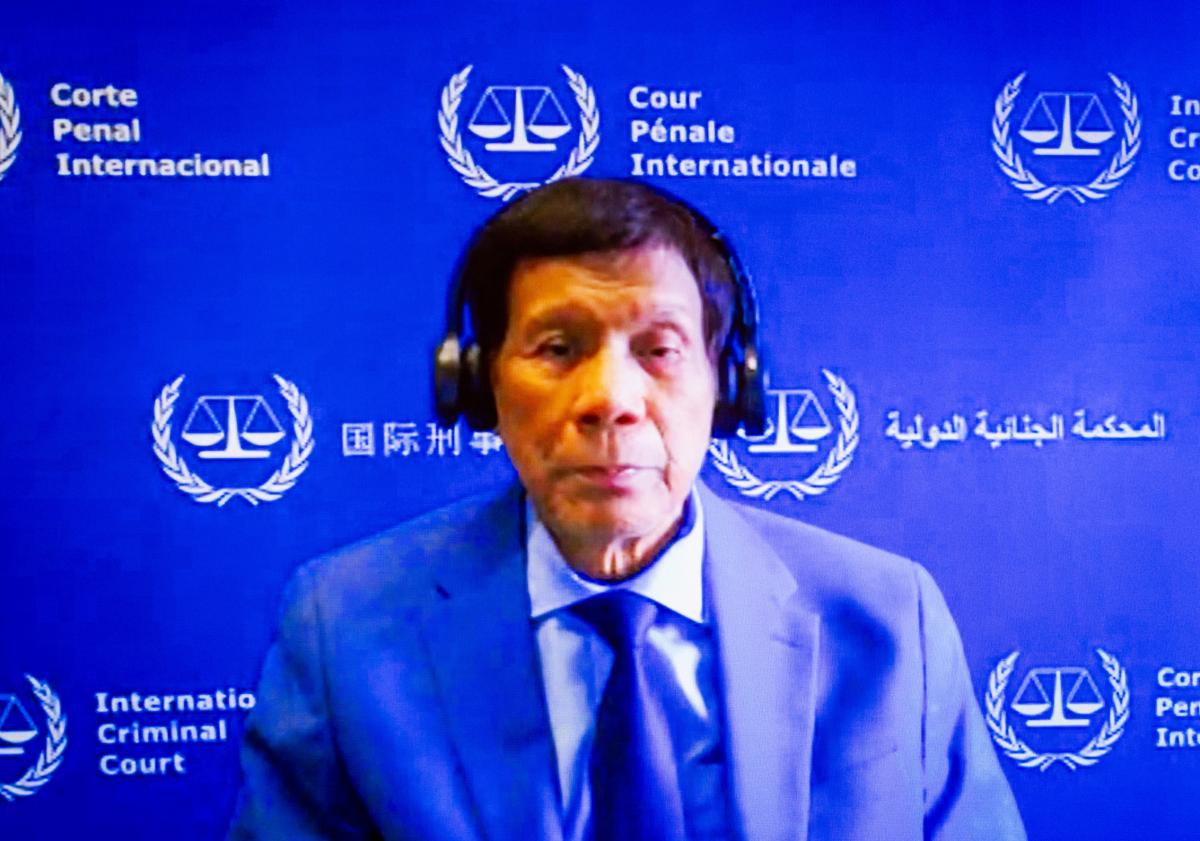

The International Criminal Court (ICC) has lifted the curtain on one of the most consequential legal battles in modern Philippine history, releasing a redacted but explosive set of charges against former president Rodrigo Duterte.
For years, Duterte styled himself as the iron-fisted leader who would “kill to protect the nation.” Now, the world’s highest criminal tribunal is asking if those very words—and the bloodshed that followed—amount to crimes against humanity.
Murder by policy
According to the ICC’s publicly released summary, prosecutors accuse Duterte of turning law enforcement into a machinery of death. The charges span his years as Davao City mayor up to his presidential term, citing dozens of incidents but stressing that the real scale of killings was far broader and systemic.
The court lists three clusters of alleged crimes:
- Murders in Davao City between 2013 and 2016, tied to the notorious “Davao Death Squad.”
- The nationwide slaying of “high-value targets” during the first two years of his presidency.
- A campaign of murder and attempted murder during barangay “clearance operations” linked to the drug war.
Prosecutors argue that these killings were not rogue acts by police but the product of an official policy—designed, endorsed, and sustained by Duterte himself.
A ‘common plan’ of violence
The ICC case portrays Duterte as more than a figurehead. He is painted as the architect of a “Common Plan” to neutralize alleged criminals through murder, commanding a network of police, local officials, and hired assassins.
From financing hit squads to handpicking loyal police generals, from granting impunity to killers to flashing charts of “narco-lists” on national television, the charges allege that Duterte turned both Davao and the entire country into a theater of state-sanctioned executions.
One chilling detail: those who dared to defy orders were themselves threatened—or killed.
The political earthquake
The release of the charges shakes not only Duterte’s legacy but the nation’s ongoing political battle. His allies dismiss the ICC as a foreign intrusion. His critics hail it as long-overdue justice for thousands of poor Filipinos whose deaths rarely made the headlines.
Adding drama to the case, Duterte’s legal team recently secured a postponement of hearings, arguing the 80-year-old former leader is “not fit to stand trial.” The ICC granted only a limited delay, signaling its determination to push forward.
A nation at a crossroads
The Duterte case has now become a test for the Philippines: Will the country rally around the ICC’s pursuit of accountability, or recoil under nationalist cries of sovereignty and foreign meddling?
For victims’ families, the legal jargon reduces to a simple demand—truth, and justice for lives lost. For Duterte, it is a reckoning with the very system of power and fear that carried him to the presidency.
The ICC’s filing is not the end of the story, but the beginning of a new chapter: one where the narrative of impunity may finally collide with the weight of international law.