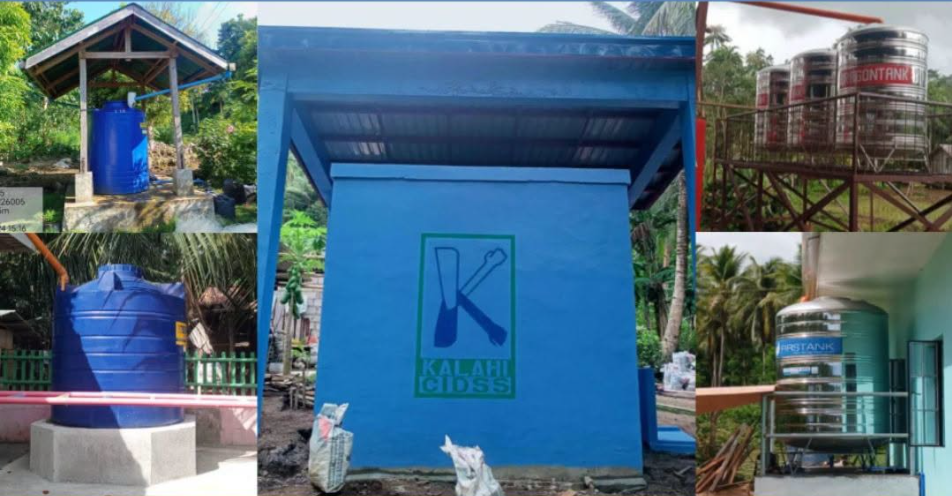

(Photo courtesy of DSWD)
The Department of Social Welfare and Development (DSWD), through its Kapit-Bisig Laban sa Kahirapan-Comprehensive and Integrated Delivery of Social Services (KALAHI-CIDSS) program, continues to expand access to clean water and strengthen community resilience amid the effects of El Niño.
Since 2003, the program has supported 4,803 water supply systems, including 76 rainwater collection projects that have benefited 10,664 households.
The initiatives aim to improve water availability, particularly in communities vulnerable to drought and water shortages caused by prolonged dry conditions.
Meanwhile, under the Philippine Community Resilience Project (PCRP), a total of 200 subprojects have been proposed by 103 municipalities to address drought-related challenges and improve preparedness for climate change.
These proposed initiatives are intended to strengthen local infrastructure and help communities manage the effects of extreme weather conditions.
Through its Community-Driven Development (CDD) approach, KALAHI-CIDSS encourages residents to actively participate in identifying community needs, planning projects, and maintaining completed facilities.
The DSWD emphasized that community participation plays a crucial role in ensuring the sustainability of water supply projects and other climate-resilience initiatives.
The agency continues to promote collaborative efforts between local governments and communities to improve access to essential services and strengthen preparedness against the impacts of El Niño and climate change.

