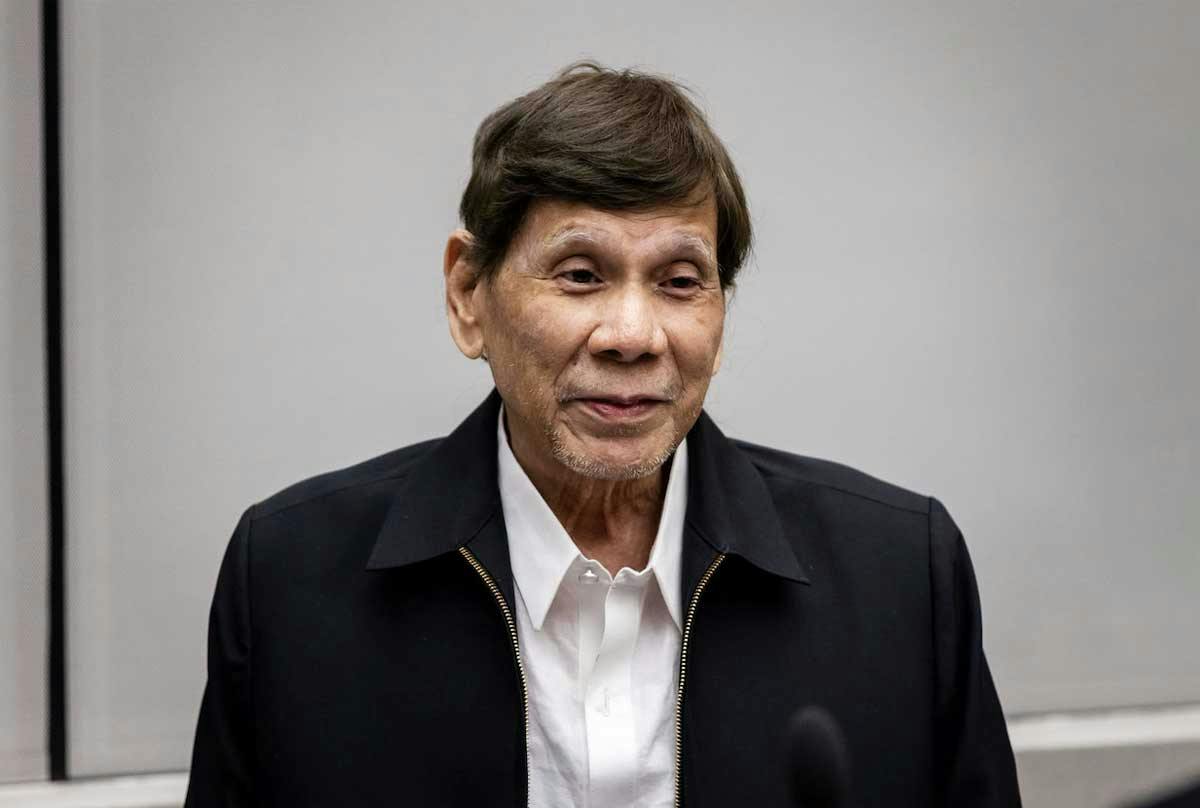

(DC file photo)
Victims of alleged crimes committed during former President Rodrigo Duterte’s controversial war on drugs face several challenges in seeking meaningful participation in his upcoming trial before the International Criminal Court (ICC).
Among the major concerns are language barriers, witness protection, access to legal assistance, and questions surrounding the scope of charges being pursued against the former president.
These challenges could affect the ability of victims and their families to understand court proceedings, present their concerns, and exercise their rights under the ICC’s victim participation framework.
Language differences remain a significant obstacle, particularly for families unfamiliar with the court’s procedures and legal terminology.
The ICC conducts its proceedings primarily in English and French, making interpretation and accessible legal information important for Filipino victims seeking to follow developments in the case.
Security is another major concern, as victims and potential witnesses may fear intimidation, harassment, or retaliation because of their involvement in the proceedings.
Effective witness protection measures are considered essential to ensuring that individuals can participate without compromising their safety or that of their families.
Questions over the scope of the charges also present challenges, particularly for families whose relatives were allegedly killed during anti-drug operations but whose cases may not fall within the specific incidents covered by the prosecution.
Under ICC procedures, victims seeking to participate must establish that they suffered harm linked to crimes within the scope of the proceedings.
The court allows eligible victims to present their views and concerns through legal representatives when their personal interests are affected, provided that their participation does not prejudice the rights of the accused or the fairness of the trial.
Duterte faces proceedings before the ICC over alleged crimes against humanity connected to his administration’s anti-drug campaign.
The former president retains the presumption of innocence, and the prosecution bears the burden of proving the charges against him.
As the case moves toward trial, ensuring accessible legal representation, adequate interpretation services, and effective protection mechanisms will be important to enabling victims and their families to participate meaningfully.
The proceedings are expected to remain under close scrutiny as affected families continue seeking accountability for alleged abuses committed during the government’s anti-drug operations.