
TABUK CITY, Kalinga — The message from the Department of Tourism was clear: progress must never come at the expense of identity.
During the 31st Bodong Festival, Tourism Secretary Christina Garcia Frasco underscored the national government’s commitment to developing destinations in a way that strengthens communities while preserving culture and protecting the environment. Speaking before local leaders and cultural bearers, Frasco described Kalinga as a province with immense potential — not only as a tourism draw, but as a model for heritage-centered development.
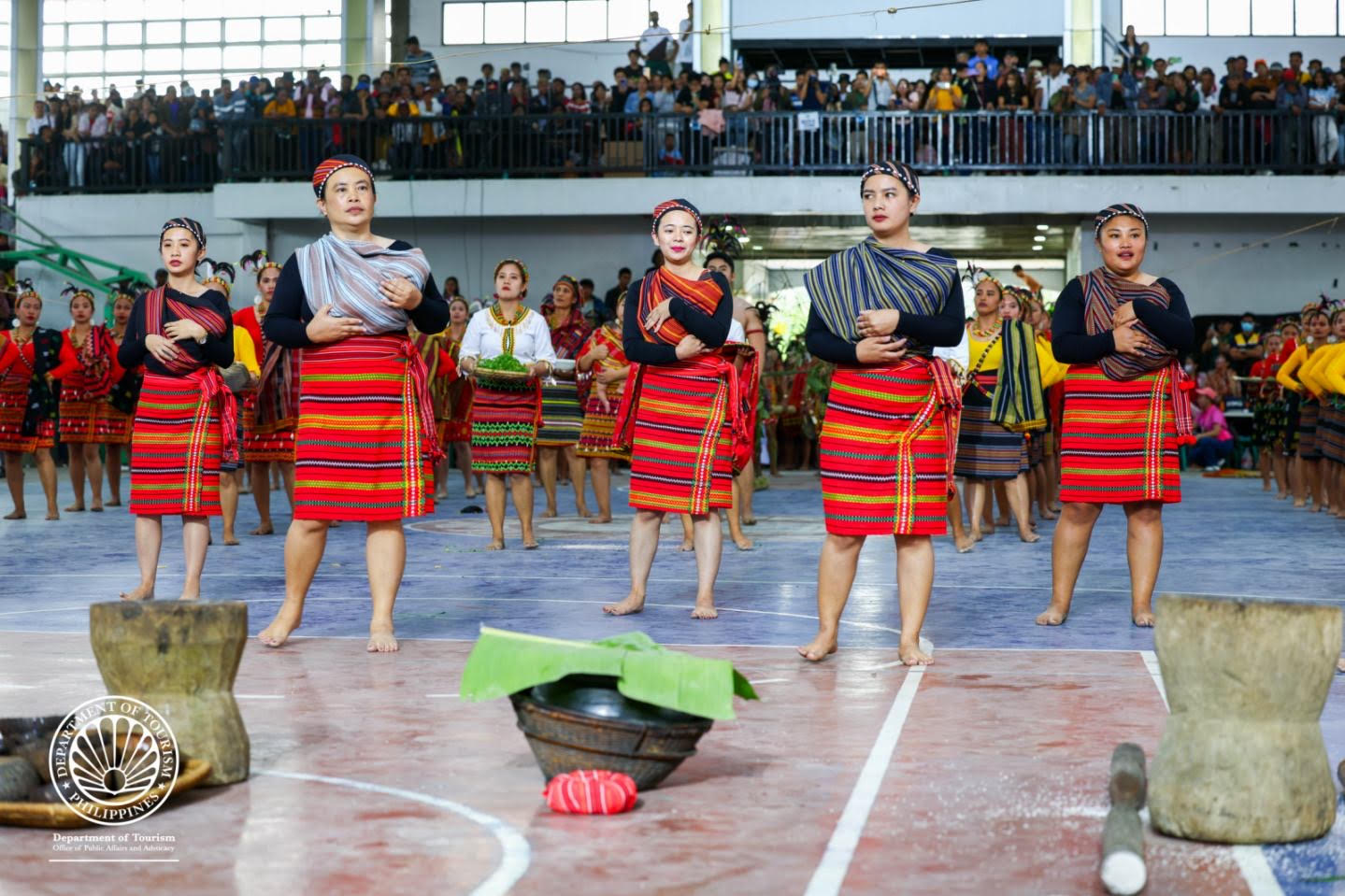
The Bodong Festival, held as part of Kalinga’s founding anniversary, brought together sub-tribes from across the province in a vibrant display of ancestral traditions. Rituals such as the “Salip” matrimonial rite and the “Gabbok” first-born dedication ceremony unfolded through chants, dances, and symbolic performances rooted in generations of oral history.
For Frasco, these were not merely attractions, but living expressions of identity that must be safeguarded even as visitor arrivals increase.

She called for “guided growth” in tourism, stressing that infrastructure, skills training, and connectivity should empower — not overwhelm — host communities. Accessibility remains a key priority, with the DOT backing national programs to improve road and transport links to Kalinga’s heritage villages and natural sites.
At present, the province is accessible via long-distance bus rides from Manila or through flights to Tuguegarao or Cauayan followed by several hours of land travel.
To support workforce readiness, the DOT has ramped up capacity-building efforts in the Cordillera region. As of January 31, 2026, 741 tourism workers in Kalinga have completed the Filipino Brand of Service Excellence program, while 212 participants underwent training under the Tourism Industry Skills Program.
These initiatives include Tourist-Oriented Police for Community Order and Protection, community tour guiding, tourism awareness, and other livelihood-enhancing seminars designed to professionalize the sector at the grassroots level.
Kalinga’s culinary heritage is also gaining international traction. In Pasil, known for its heirloom rice varieties, local producers have found new markets through participation in global slow food events in Turin, Italy, and Bacolod City. Michelin-starred chef Chele Gonzalez now sources heirloom rice from Pasil for his restaurant’s menu, further elevating the town’s agricultural legacy. Pasil has likewise earned recognition as one of the DOT’s Best Tourism Villages.\
Local government leaders are seeking additional support, including the establishment of Tourist Rest Areas in Balbalan, Rizal, Tinglayan, and Tabuk City to improve visitor convenience. Tabuk itself has earned back-to-back recognition as an ASEAN Clean Tourist City under the ASEAN Tourism Standards Awards — a distinction that signals the province’s commitment to sustainable destination management.
For Kalinga Governor James Edduba, tourism must remain anchored in dignity and continuity. He emphasized that traditions should evolve without losing their essence, warning that progress must never mean erasing the past. True development, he said, is rooted in identity.
Representative Caroline Agyao echoed that sentiment, cautioning against the pitfalls of unchecked mass tourism. In an era where travelers seek authenticity over packaged experiences, she said Kalinga offers what the world is searching for — stories shaped by ancestral rice terraces, ritual chants, and cultural icons such as Apo Whang Od. But she also warned that tourism done carelessly can commodify sacred traditions and reduce elders to mere photo opportunities.\
Data from the DOT-Cordillera Administrative Region show that domestic travel continues to anchor Kalinga’s visitor economy. In 2025, the province recorded 331,447 same-day visitors, with 329,856 coming from within the Philippines — a reflection of strong local interest in cultural and nature-based tourism.
As Secretary Frasco joined local officials in a unity dance during the Grand Cultural Finale, the symbolism was unmistakable. The future of Kalinga tourism, stakeholders said, lies not in imitation of other destinations, but in confidently telling its own story — on its own terms.