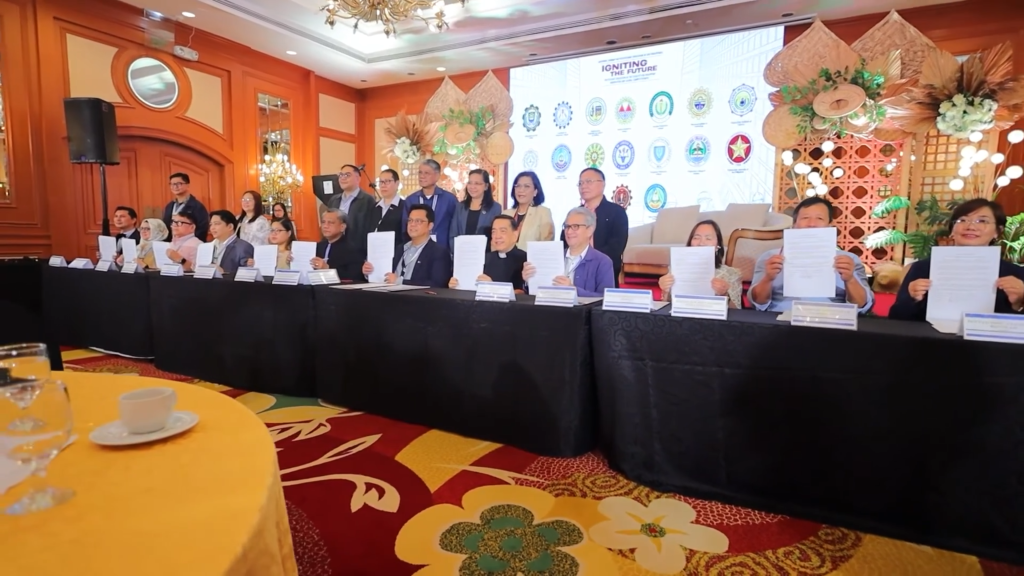

(Photo courtesy of PIA)
LUCENA CITY – The Department of Science and Technology (DOST) is expanding the use of water purification, filtration, and desalination technologies to help communities cope with potential water shortages caused by a very strong El Niño.
During a press briefing at the Regional Science and Technology Week 2026 in Lucena City on October 12, DOST Secretary Renato Solidum Jr. said the agency is prioritizing five areas in its El Niño response: water, agriculture, energy, health, and public safety, particularly fire prevention.
Solidum said declining water levels could increase the concentration of impurities in existing water sources, making reliable treatment systems increasingly important.
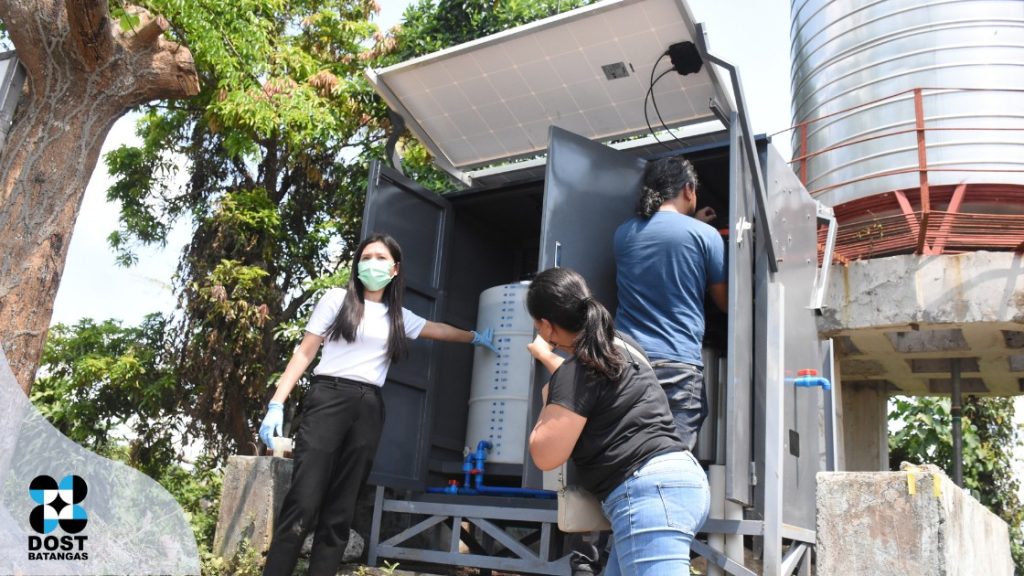
To address this concern, the DOST is promoting SAFEWATRS, or the Safe Water Treatment System: Emergency Disinfection System of Drinking Water, developed by the DOST-Industrial Technology Development Institute (ITDI).
The technology is designed to provide safe drinking water during emergencies and disasters, including typhoons, floods, and earthquakes. It could also help communities experiencing limited or disrupted water supplies due to prolonged dry conditions.
In Quezon province, the island municipality of Jomalig has begun experiencing water shortages linked to the very strong El Niño, affecting residents’ access to water for their daily needs.
As part of the Regional Science and Technology Week activities, the DOST provided Jomalig with a solar-powered water purification system to improve access to clean and safe drinking water.
The Jomalig local government welcomed the assistance, describing it as an important step toward strengthening the municipality’s water security and disaster preparedness.
“Malaking bagay ang suportang ito para sa Jomalig, lalo na sa pagsusulong ng mas maaasahang access sa malinis na tubig para sa ating mga kababayan,” the local government said in a statement.
It added that the project would help build a more resilient community and improve the delivery of essential services to residents.
Meanwhile, Solidum reported that the DOST has established more than 22 desalination systems nationwide, particularly in island and coastal communities with limited freshwater resources.
The agency has primarily used imported desalination technologies but is now testing a solar-powered system that could provide a more sustainable alternative.
“We hope to roll this out during this El Niño event,” Solidum said.
Desalination systems convert seawater or other saline water into usable freshwater, offering an additional water source for communities vulnerable to shortages.
Solidum said the DOST is also coordinating with other government agencies through Task Force El Niño, which it co-chairs, in line with President Ferdinand Marcos Jr.’s directive to strengthen the country’s preparedness and response to the weather phenomenon.
The agency aims to use science-based solutions and locally developed technologies to help protect water supplies, support agriculture, and reduce the effects of prolonged dry conditions on vulnerable communities.