
(Photo by PNA)
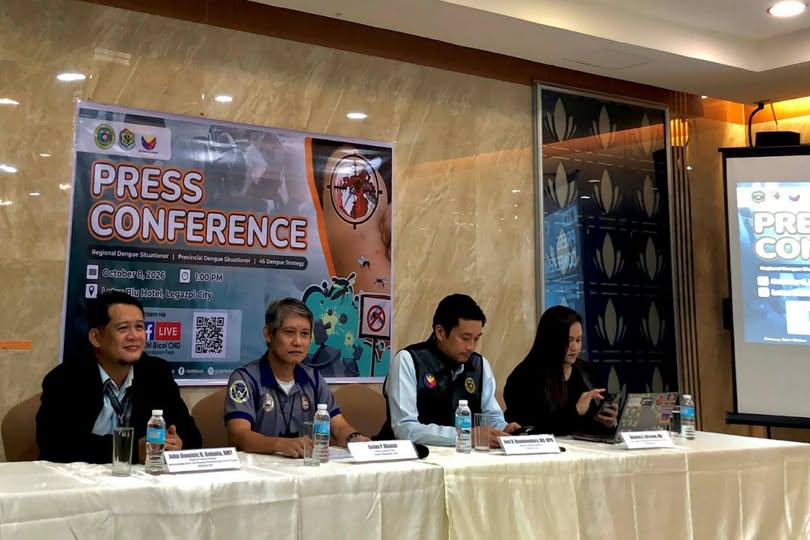
LEGAZPI CITY – The Department of Health (DOH) in Bicol is intensifying health surveillance and preparedness measures against diseases that could worsen due to extreme heat, water shortages and changing weather conditions associated with the looming Super El Niño.
DOH-Bicol Public Health Preparedness and Response Unit head Dr. Desiree Bricenio said the agency is closely monitoring WILD diseases, which include waterborne diseases, influenza-like illness, leptospirosis and dengue.
Bricenio emphasized the importance of ensuring access to safe water, particularly as prolonged dry conditions could force households to store water for drinking, cooking and other daily activities.
“Water safety also includes the water they drink and the water they use for cooking,” she said.
She warned that unsafe water sources and improper storage practices could increase the risk of waterborne infections during periods of water scarcity.
The DOH is coordinating with local health offices to strengthen disease surveillance, identify possible increases in infections and implement immediate preventive measures.
“The Department of Health is ready for this. We will fight it, and we will not allow this to increase,” Bricenio assured.
Meanwhile, DOH-Bicol Assistant Director Dr. Joel Buenaventura warned that rising temperatures could accelerate mosquito development and the multiplication of the dengue virus inside infected mosquitoes.
“When it is hot, mosquito development is faster. When the weather is hot, the dengue virus multiplies faster inside the mosquito,” Buenaventura explained.
He added that water shortages could encourage households to store water in containers, which may become breeding grounds for dengue-carrying mosquitoes if left uncovered.
Sudden rainfall following periods of intense heat could also create stagnant water, further increasing mosquito breeding opportunities.
“These are the possible contributory factors to why we are having a dengue outbreak,” Buenaventura said.
As of October 7, Bicol had recorded 15,146 dengue cases and 63 deaths, equivalent to a case fatality rate of 0.41 percent.
The region remains under Code Blue alert for dengue, with health authorities intensifying case monitoring, hospital preparedness and response measures.
The DOH urged residents to consistently practice the 4S strategy against dengue: search and destroy mosquito breeding sites, use self-protection measures, seek early medical consultation and support targeted fogging or spraying in identified hotspots and outbreak areas.
Health officials also reminded communities to keep water storage containers tightly covered, maintain proper hygiene and monitor official health advisories as the region prepares for possible El Niño-related health threats.