
(Photo by PNA)
The Department of Health (DOH) on Tuesday, October 13, assured the public that the Philippines faces a very low risk of pneumonic plague following reports of a suspected case involving a death in Russia.
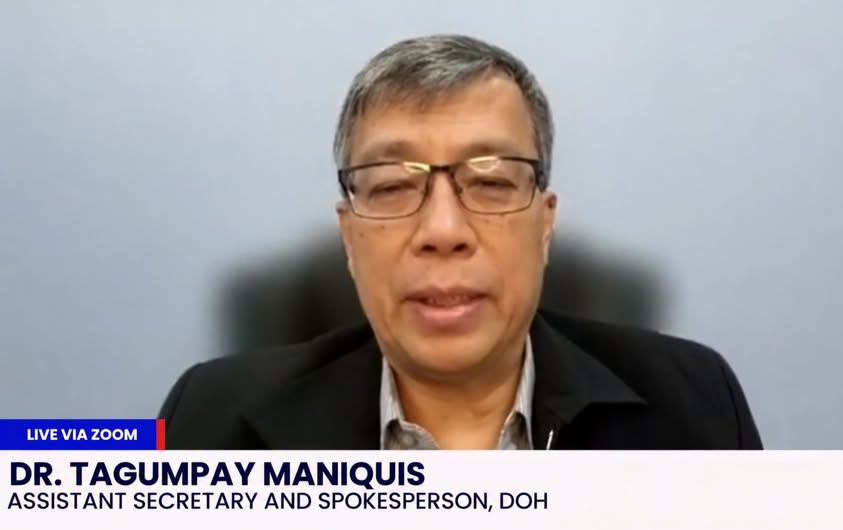
DOH Assistant Secretary and spokesperson Tagumpay Maniquis clarified that the reported death has not been confirmed as a pneumonic plague case.
In an interview with Radyo Pilipinas, Maniquis explained that suspicions arose because the deceased individual reportedly worked at a research institution studying infectious diseases.
“Tayo, ang Pilipinas ay very low risk dito sa banta,” Maniquis said.
He emphasized that the latest World Health Organization (WHO) report classified the incident as pneumonia of unknown origin, not pneumonic plague.
“As of now, ang nakalagay doon ay pneumonia of unknown origin po ‘yung tamang tawag natin doon. Wala pa pong naitala na ito ay kaso ng pneumonic plague,” he added.
Despite the low risk, Maniquis said the DOH Bureau of Quarantine and Epidemiology Bureau continue to monitor developments and coordinate surveillance efforts.
He also urged Filipinos to avoid spreading unverified information and rely on official advisories from the DOH and WHO.
DOH steps up El Niño health preparations
Meanwhile, the health department has intensified preparations for the possible effects of a very strong El Niño, particularly health risks associated with extreme heat and water shortages.
Maniquis said the agency has distributed information materials to public hospitals and Centers for Health Development to strengthen awareness and preventive measures.
According to the DOH, prolonged exposure to high temperatures may lead to dehydration, heat exhaustion, and heat stroke.
Dusty conditions may also worsen respiratory illnesses, including asthma, bronchitis, and chronic obstructive pulmonary disease.
The agency warned that water shortages could increase the risk of waterborne illnesses such as gastroenteritis and typhoid fever, while dengue remains a public health concern.
To reduce heat-related health risks, Maniquis advised the public to wear lightweight clothing, stay hydrated, and use umbrellas or other protection when outdoors.
“We recommend eight to 10 glasses of water a day. That is our recommended minimum,” he said.
The DOH encouraged the public to remain vigilant and follow official health advisories as the government prepares for the anticipated effects of El Niño.