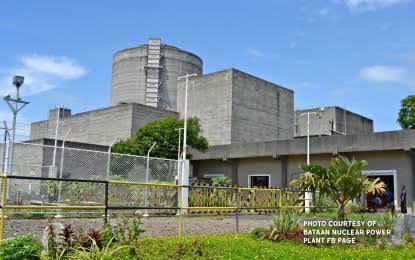

(Photo from BNPP Facebook page)
MANILA – The Department of Energy (DOE) is pushing for the development of nuclear power as part of efforts to diversify the country’s energy sources, strengthen energy security, and meet growing electricity demand.
Speaking at the opening of the Joint World Nuclear Supply Chain Conference and Philippine International Nuclear Energy Forum in Taguig City on Tuesday, October 20, Energy Secretary Sharon Garin emphasized the importance of developing nuclear energy safely and responsibly.
Garin said nuclear power could complement the government’s transition toward cleaner energy sources while providing a reliable electricity supply to support sustained economic growth.
The Philippines aims to increase the share of renewable energy in its power generation mix to 35 percent by 2030 and 50 percent by 2040.
The energy chief cited projections from the International Energy Agency (IEA) showing that global electricity demand could grow by an average of 3.6 percent annually through 2030.
She also pointed to the 9th ASEAN Energy Outlook, launched in Manila earlier this month, which highlighted the region’s increasing need for energy security, infrastructure expansion, and diversified power sources.
“These developments are bringing renewed attention to nuclear power as a reliable, low-carbon source of electricity,” Garin said.
She added that the International Atomic Energy Agency (IAEA) projects global nuclear power capacity could reach approximately 950 gigawatts by 2050 under its high-growth scenario.
In the Philippines, Garin said peak electricity demand had reached 20.1 gigawatts, while installed generating capacity stood at approximately 32.5 gigawatts as of July 2026.
She also noted that net energy imports account for 51.5 percent of the country’s total primary energy supply, leaving the economy vulnerable to international supply disruptions and fluctuating fuel prices.
To address these challenges, the DOE is strengthening the country’s nuclear energy development framework using the IAEA’s Milestones Approach.
The framework focuses on establishing the necessary legal, regulatory, and institutional safeguards before nuclear power facilities can begin operating.
Garin stressed that nuclear development must also address emergency preparedness, radioactive waste management, workforce training, and public participation.
The government has strengthened the Philippine Atomic Energy Regulatory Authority (PhilATOM) and its commitments under international nuclear conventions.
The Philippines has also expanded technical cooperation with Japan, the United States, South Korea, and Hungary to improve nuclear safety standards, regulatory capabilities, and workforce expertise.
Under the government’s nuclear energy roadmap, the country targets the following capacities:
- 1,200 megawatts by 2032
- 2,400 megawatts by 2035
- 4,800 megawatts by 2050
Garin emphasized that meeting these targets would require significant investments, capable institutions, trained professionals, and dependable supply chains.
“Achieving these targets requires more than constructing nuclear power plants. It demands strong institutions, substantial investment, skilled professionals, qualified suppliers, and reliable supply chains that meet the highest international standards,” she said.
She also highlighted the importance of developing local engineering, manufacturing, and specialized technical services to enable Filipino professionals and businesses to participate in the international nuclear energy industry.
The government’s renewed nuclear energy initiative comes decades after the completion of the Bataan Nuclear Power Plant in the 1980s, which has never entered commercial operation.
The DOE maintained that a carefully regulated nuclear energy program could help provide stable, low-carbon electricity while reducing the country’s dependence on imported energy resources.