The Department of the Interior and Local Government (DILG) has ordered the nationwide enforcement of a strict “anti-epal” policy, prohibiting public officials from using government-funded programs and projects for personal political branding.
In a statement released Saturday, the DILG issued Memorandum Circular No. 2026-006, which directs all local government units (LGUs) from the provincial down to the barangay level to remove any materials featuring the names, photos, logos, initials, or color motifs of public officials.
The directive also covers the DILG’s central, regional, and field offices, as well as its attached agencies.
“Government programs are not personal billboards,” the DILG said. “These are funded by taxpayers and must reflect public service, not political credit grabbing.”
The agency cited several legal bases for the crackdown, including the 1987 Constitution’s principle that public office is a public trust, the Code of Conduct and Ethical Standards for Public Officials, and Commission on Audit (COA) rules that label personalized displays as unnecessary expenses.
According to the DILG, the 2026 General Appropriations Act (GAA) also contains an explicit provision prohibiting the attachment of an official’s image or name to government-funded projects.
Under the new guidelines, project signages are restricted to essential information, such as the project title, contractor, cost, and source of funds.
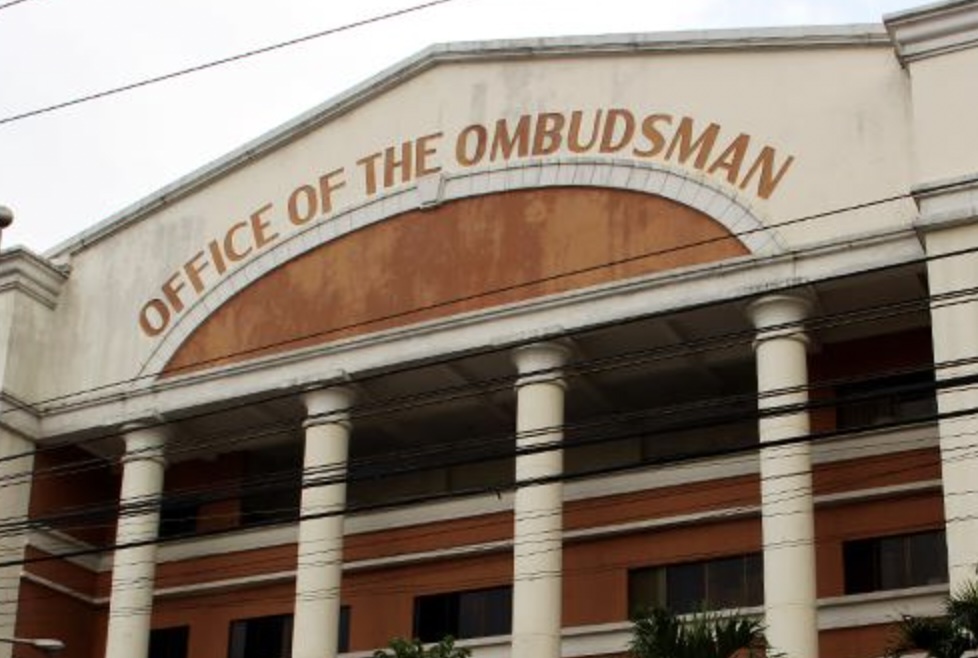
Interior Secretary Jonvic Remulla earlier warned that officials who violate these rules could face administrative cases, with penalties ranging from preventive suspension to referral to the Office of the Ombudsman for repeat offenders.
Heads of offices have been held accountable for ensuring immediate compliance and the removal of non-compliant materials. The DILG further encouraged citizens to document and report violations through official channels, echoing President Ferdinand Marcos Jr.’s call to keep public aid free from political patronage.