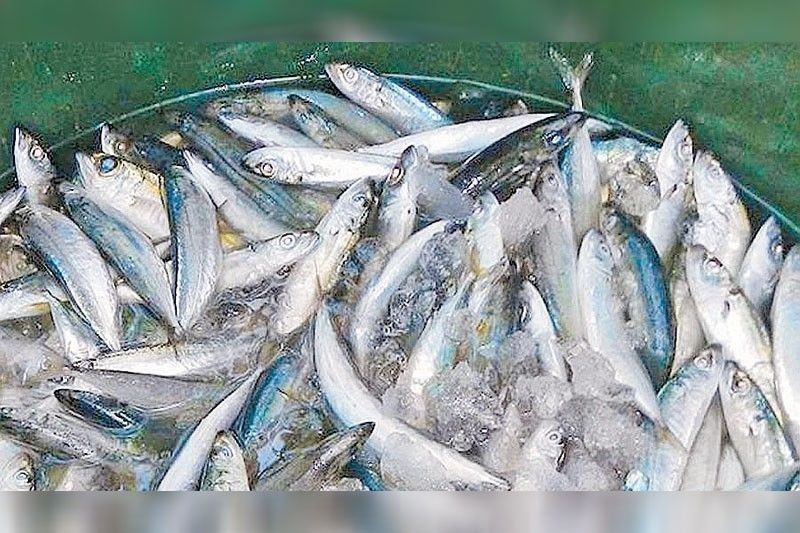

The Department of Agriculture (DA) on Wednesday warned the public to seek alternative protein sources, including chicken, milkfish, and tilapia, as ‘galunggong’ (round scad) prices continue to surge across the Philippines.
The spike in costs comes amid tight local supply and delayed imports, putting pressure on households nationwide.
The warning came on Wednesday, December 3, from Agriculture Secretary Francisco Tiu Laurel Jr., who cited supply shortages as the main driver of rising costs.
“It’s really a supply and demand situation. If supply is scarce, prices will increase,” he said in an ambush interview. “I’m not saying prices will go down soon. If it’s too expensive, you can opt for chicken instead.”
Data from the DA’s Bantay Presyo monitoring shows that as of Monday, imported galunggong in Metro Manila traded between PHP280 and PHP350 per kilogram, while locally sourced galunggong ranged from PHP300 to PHP400 per kilogram.
Metro Manila markets recorded local galunggong prices at PHP347.13 per kilo, with imported fish averaging PHP310.42 per kilo between November 24 and 29, 2025.
Tiu Laurel noted that other fish varieties, including milkfish and tilapia, remain viable and more affordable alternatives for consumers.
“We still have milkfish, tilapia, let’s not forget our own,” he said, emphasizing options that could help families cope with the price surge.
Mackerel (alumahan or tulingan) prices are also elevated, currently ranging from PHP300 to PHP450 per kilogram. However, he expects them to ease once delayed import shipments, affected by recent weather disturbances in both the Philippines and China, arrive in the country.
Of the 55,000 metric tons of approved fish import volume, only about 30 percent has entered so far. To accelerate supply, the DA plans to revoke unused sanitary and phytosanitary import clearances (SPSICs) from importers who failed to utilize them and reallocate these to higher-performing traders. Currently, only 70 percent of issued SPSICs have been fully used.
The agency is also preparing to release an additional 8,000 metric tons of small pelagic fish in early December to stabilize supply and prices, particularly for mackerel and other affordable fish.
Tiu Laurel assured that these measures are intended to reduce the burden on consumers and prevent long-term food security concerns.
