
(Photo courtesy of PIA)
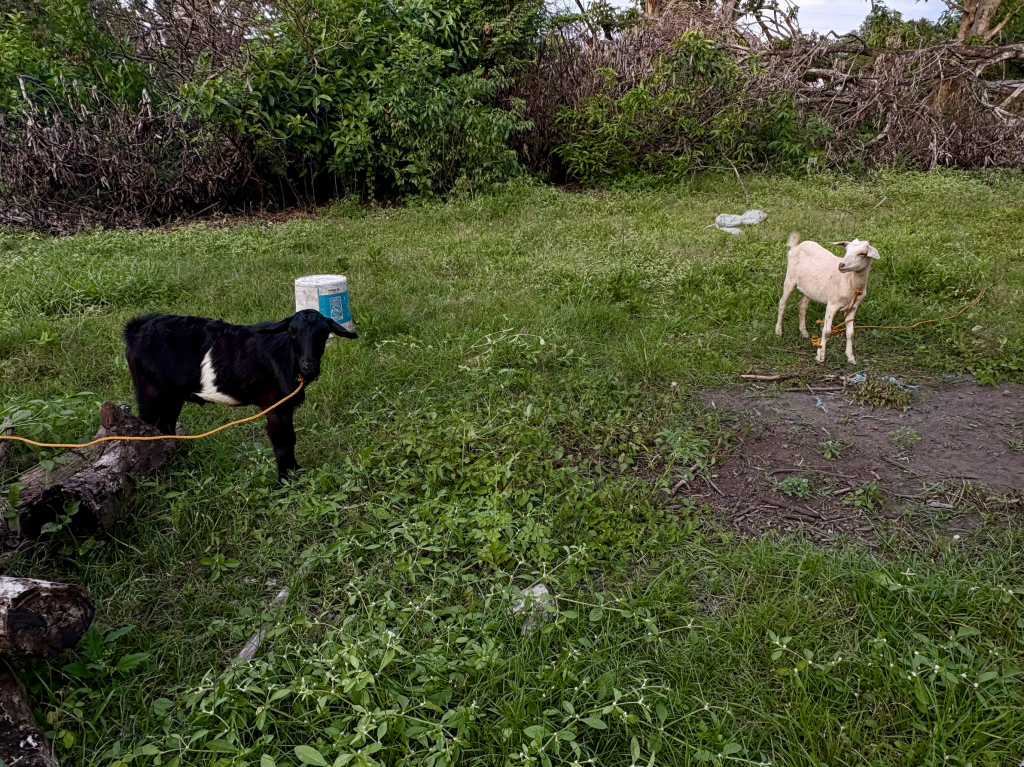
LAOAG CITY, Ilocos Norte – The Department of Agriculture-Bureau of Animal Industry (DA-BAI) has urged livestock and poultry raisers to adopt climate-resilient farming practices to protect animals and maintain productivity amid the threats posed by El Niño.
DA-BAI Agriculturist II Ren Arias Miranda warned that prolonged dry conditions and rising temperatures could reduce water and forage supplies, increase heat stress among farm animals and disrupt livestock production.
“Cattle and carabaos may experience reduced milk production, slower growth, lower reproductive performance, and dehydration,” Miranda said.
“Swine may have reduced feed intake and face a higher risk of heat-related deaths, while poultry may experience lower egg production, weaker eggshell quality, slower growth, and increased mortality during severe heat.”
To minimize these risks, Miranda advised farmers to ensure adequate supplies of clean drinking water, provide sufficient shade and ventilation, and install appropriate cooling systems in animal shelters.
He also recommended feeding animals during cooler hours, preventing overcrowding and regularly monitoring livestock for signs of heat stress or illness.
Farmers were advised to seek veterinary assistance immediately when animals exhibit unusual behavior or symptoms of heat-related conditions.
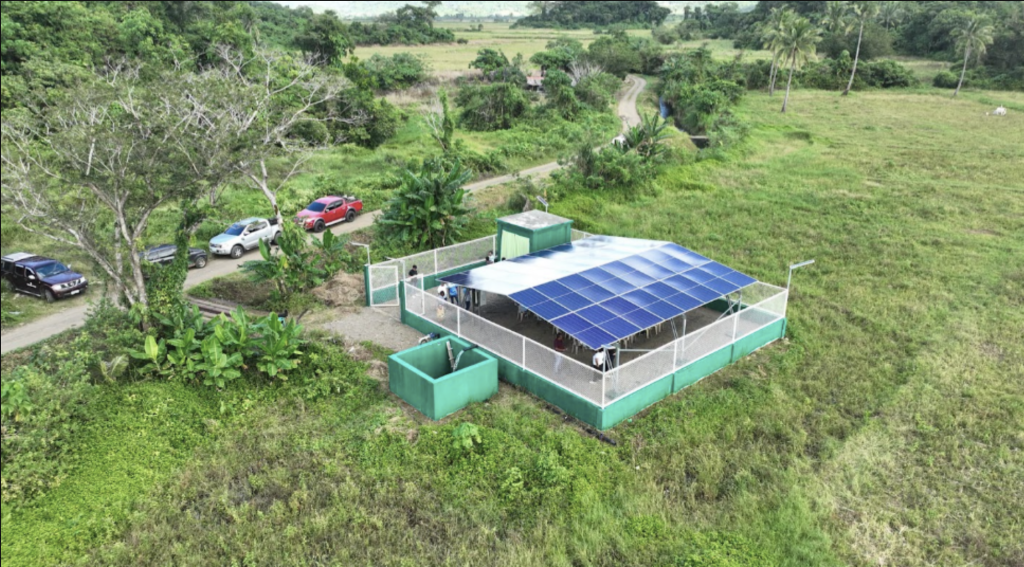
Miranda also emphasized water conservation measures, including repairing leaking pipes, storing water in clean and covered containers, monitoring consumption and identifying alternative water sources during prolonged dry periods.
To prevent feed shortages, livestock raisers were encouraged to establish feed reserves and cultivate drought-tolerant forage crops while exploring alternative feed resources.
The DA-BAI official also reminded farmers to maintain proper sanitation, strengthen farm biosecurity and continue vaccination and parasite-control programs to prevent disease outbreaks.
He stressed the importance of preparing emergency response measures for extreme heat, water shortages and other climate-related hazards that could threaten livestock operations.
Miranda encouraged farmers to coordinate with local government units, veterinary offices and agricultural agencies for technical assistance and information on available government support.
He emphasized that animal welfare must remain a priority even during emergencies, noting that livestock raisers have a responsibility to protect animals from physical harm, discomfort and distress.
The DA-BAI said adopting climate-resilient practices could help farmers reduce production losses, safeguard their livelihoods and maintain a stable livestock and poultry supply despite challenging weather conditions.