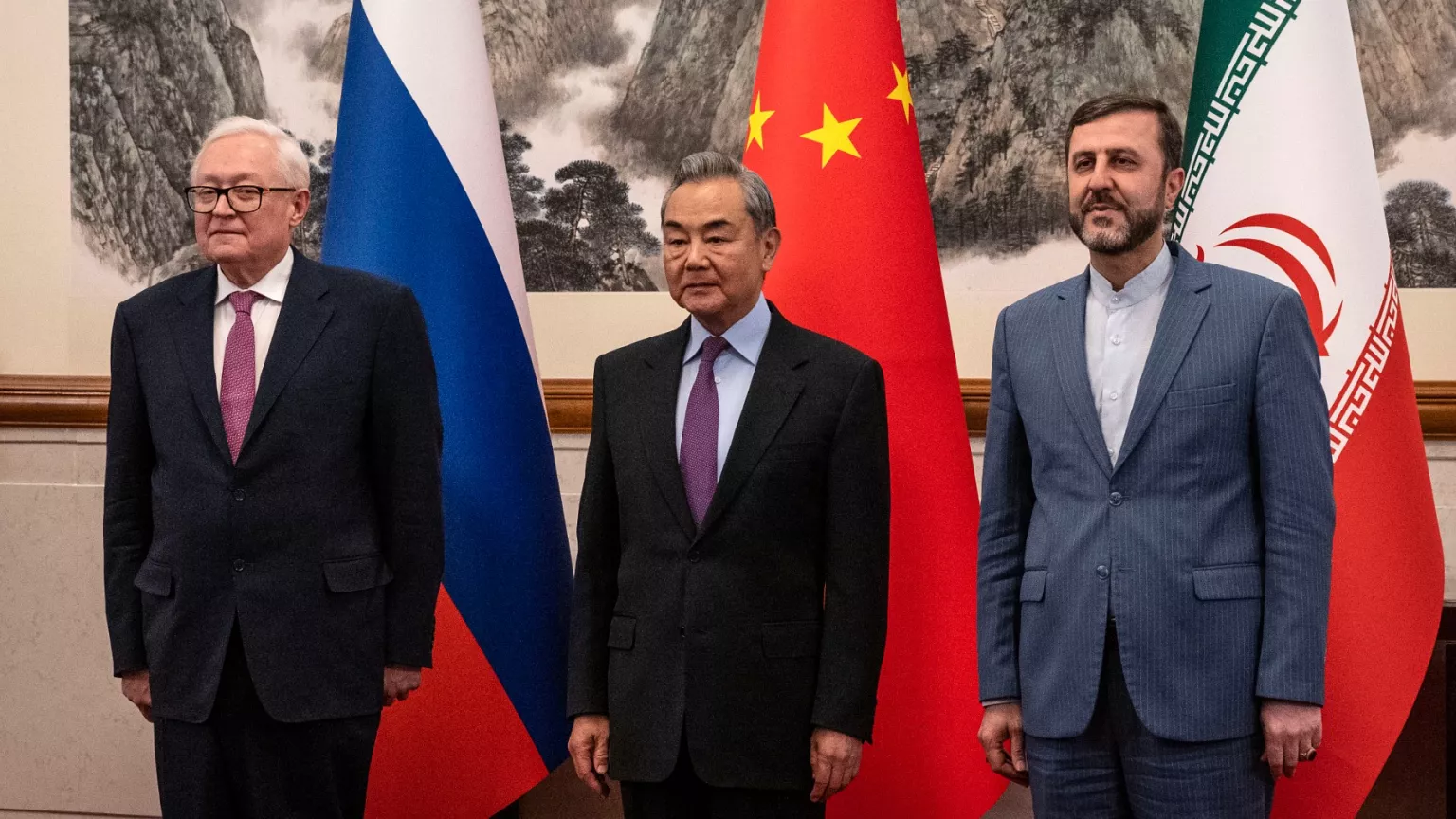

In a powerful display of strategic alignment, China welcomed defense ministers from Iran and Russia in the coastal city of Qingdao, reaffirming a growing axis of cooperation that stands in contrast to the expanding influence of NATO and the West. The meeting—held under the umbrella of the Shanghai Cooperation Organization (SCO)—comes at a time of shifting global alliances, persistent regional conflicts, and surging defense budgets across the Atlantic.
This summit of defense leaders from SCO nations, including Pakistan and Belarus, occurred just a day after NATO leaders convened in The Hague to strengthen military readiness and increase spending, a move widely seen as a response to rising global threats and pressure from the United States. In contrast, China’s forum emphasized multipolarity, cooperation, and resistance to what its leadership described as Western “hegemonic behavior.”
Chinese Defense Minister Dong Jun set the tone for the summit, warning against unilateralism and what he called “bullying acts” that threaten global peace. Speaking at the heart of Qingdao, home to one of China’s most significant naval installations, Dong called for stronger regional security partnerships and pledged deeper collaboration among SCO members.
“The world is undergoing unprecedented transformation. The forces of peace must unite more closely than ever,” Dong said in remarks released by state-run Xinhua News.
A new security bloc emerges
Russia’s newly appointed Defense Minister Andrei Belousov echoed Dong’s sentiment, calling China-Russia ties “unprecedentedly strong” and emphasizing the shared vision of a multipolar world order. Iran’s military leaders, fresh from a tenuous ceasefire with Israel, also used the platform to denounce Western interventions in the Middle East and praised the SCO as a model for security cooperation without foreign interference.
While the official agenda focused on defense collaboration and regional stability, the subtext was unmistakable: the SCO is positioning itself as a formidable alternative to NATO’s expanding role. With Israel and Iran locked in a fragile truce and the war in Ukraine grinding on, China is leveraging the moment to project influence not through confrontation, but through coalition-building.
Though Beijing maintains its claim of neutrality in global conflicts, especially the war in Ukraine, Western analysts see China’s support for Russia—in trade, diplomacy, and technology—as an essential lifeline for Moscow. At the same time, Beijing has cultivated ties with Iran through energy deals and shared opposition to Western sanctions.
The global stage is shifting
The Qingdao meeting also served to highlight how non-Western powers are charting their own security agendas, sidestepping Washington-led frameworks. The presence of Iran and Russia—both at odds with the West—and the timing of the summit, just hours after a NATO show of strength, underscores an emerging duality in global power structures.
In a world increasingly divided between traditional alliances and newer, interest-based partnerships, China appears determined to play the role of a central convenor—one that champions “mutual respect” and “non-interference” while subtly reordering the global balance of power.
Whether the SCO can evolve into a full-fledged security alliance on par with NATO remains to be seen. But in Qingdao this week, the message was clear: a new era of defense diplomacy is taking shape, and China intends to be at the center of it.