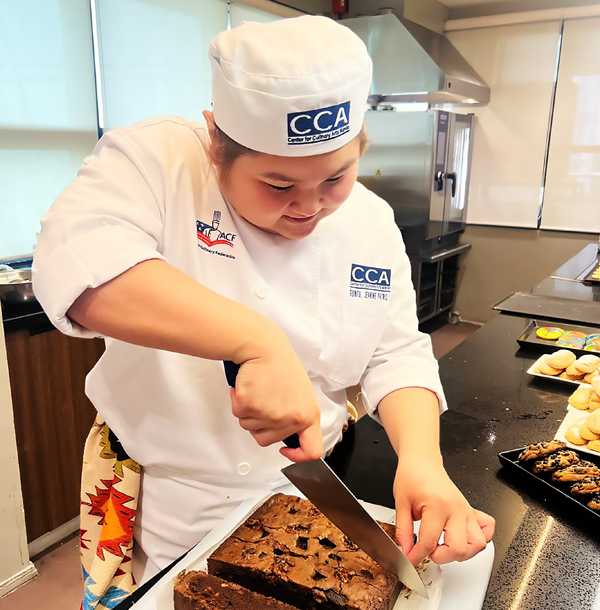

In a notable shift within the Philippines’ culinary landscape, the Center for Culinary Arts (CCA Manila) reports an increase in career-changing students entering its programs. This trend reflects broader changes in the food industry and labor market as professionals from diverse backgrounds pivot to culinary careers.
Diverse backgrounds, common goal
Four current CCA Manila students exemplify this trend:

Rennard Jared Benedict Wong’s transition from medicine to culinary arts underscores the pull of long-held passions. “As I grew older, I realized that I can never be thrilled with cooking just being my hobby,” Wong explains. His story reflects a broader trend of professionals leaving established careers for the culinary world.
The pandemic precipitated Orien Macapagal’s shift from aviation studies to culinary arts. “Those were the times that I had a hard time dealing with what’s happening,” Macapagal recounts. “Cooking benefited my mental health.” His experience aligns with global patterns of career reassessment triggered by COVID-19.

Orien Macapagal
Industry demands driving curriculum.
Dr. Veritas Luna, Chancellor of CCA Manila, notes that the institution’s curriculum has evolved to meet changing industry needs. “Our Diploma in Culinary Arts & Technology Management program combines practical kitchen training with comprehensive food service management education,” Luna explains. This approach aims to prepare graduates for diverse roles beyond traditional kitchen positions.
Expanding career paths
The culinary industry’s expansion beyond restaurant kitchens is reflected in CCA Manila’s alumni career trajectories. Graduates have found success as restaurant owners, recipe developers, culinary educators, and food stylists. Some, like Chef John Martho Buenaventura, have secured high-profile positions such as Executive Chef at Emirates Flight Catering for VIP Flights.
Economic implications
This influx of career-changers into the culinary field may have broader economic implications. As the food service industry in the Philippines continues to grow, injecting diverse skills and experiences could drive innovation and entrepreneurship.
The trend also raises questions about the long-term impact on industries losing talent to culinary arts. Further research is needed to understand the full economic implications of these career shifts.
CCA Manila will welcome new students in its October 2024 intake, potentially providing more data on this ongoing trend in culinary education and career paths.
For inquiries, visit their website at http://www.cca-manila.edu.ph, email talktous@cca-manila.edu.ph, or follow @ccamanila on Facebook and Instagram.