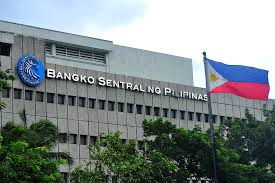

The Bangko Sentral ng Pilipinas (BSP) is taking a cautious but flexible stance as thrift banks clamor for easier liquidity rules, signaling it will not impose across-the-board cuts but instead weigh each request individually.
Industry players had hoped for a uniform easing of the minimum liquidity ratio (MLR) to 16 percent—similar to what was granted during the pandemic—but the central bank has resisted, maintaining the current 20 percent threshold.
Suzanne Felix, executive director of the Chamber of Thrift Banks (CTB), confirmed that the BSP has decided to review applications “on a case-by-case basis” rather than endorse blanket relief. She described this as a “constructive” compromise, noting that it recognizes the unique financial structures and operational realities of smaller lenders.
Thrift banks argue that tighter liquidity buffers are cramping their ability to expand credit, especially to households and small businesses that rely heavily on their services. The CTB has insisted that the higher threshold effectively sidelines 22 percent of their funds—cash that earns no return but cannot be redeployed for lending.
The group has pressed the BSP to reintroduce the 16 percent level used during the height of the pandemic, when regulators loosened requirements to help banks keep credit flowing.
BSP’s counterpoint: stability first
The BSP, however, has drawn a clear line. Officials emphasize that the MLR is not designed as a lending cap but as a micro-prudential safeguard against sudden liquidity shocks. Unlike the reserve requirement—recently removed for thrift banks—the liquidity ratio is seen as essential to ensuring smaller lenders can withstand turbulence without jeopardizing depositors.
“While reserve requirements are a monetary policy tool to manage overall liquidity, the MLR serves a different purpose. They are not additive,” the central bank explained.
For the regulator, the dilemma is straightforward but delicate: loosening requirements could unlock more credit for consumers and small businesses, but it also risks leaving thrift banks exposed at a time when global uncertainty remains high.
For the industry, the stakes are equally clear. Without regulatory relief, thrift banks say their ability to play a meaningful role in financial inclusion—serving low-income borrowers, rural communities, and small entrepreneurs—remains limited.
Felix hinted that the issue is far from closed. “CTB remains committed to monitoring this matter and will revisit it, if necessary, to ensure the industry’s collective concerns are appropriately addressed,” she said.
The BSP’s decision to avoid a one-size-fits-all ruling reflects a larger trend in financial regulation: tailoring oversight to the distinct risks of different types of lenders. For thrift banks, it is both an opening and a challenge—they may gain relief, but only if they can convince regulators that their liquidity positions justify it.
As the tug-of-war continues, one thing is certain: the push and pull between growth and stability will define the thrift banking sector’s path in the months ahead.